Answer
When planning an outdoor celebration, selecting biodegradable confetti is crucial for minimizing environmental impact, especially for events like weddings, gender reveals, or festivals where party confetti is a highlight. To make the best choice, prioritize materials such as rice paper, soluble starch, or dried flower…
TL;DR
- Choose confetti made from natural, non-toxic materials like rice paper, soluble starch, or dried petals.
- The best biodegradable materials for outdoor party confetti are those that break down quickly and safely into the environment, leaving no lasting trace.
- Ensuring biodegradable confetti meets environmental standards involves scrutinizing product labels, understanding certification processes, and considering the specific environmental conditions of your event location.
- The performance and visual impact of biodegradable party confetti are influenced by several key factors, including material type, size, shape, color, and the method of dispersion.
- Yes, most biodegradable confetti made from natural materials like rice paper, soluble starch, or dried flower petals is considered safe for animals.
How to Select Biodegradable Confetti for Outdoor Events When Environmental Impact Matters
When planning an outdoor celebration, selecting biodegradable confetti is crucial for minimizing environmental impact, especially for events like weddings, gender reveals, or festivals where party confetti is a highlight. To make the best choice, prioritize materials such as rice paper, soluble starch, or dried flower petals, which naturally decompose without leaving harmful residues. A typical scenario involves a couple planning an outdoor wedding in a scenic park; they want the celebratory toss but are concerned about cleanup and ecological footprint. They have considered traditional paper confetti but are now exploring eco-friendly alternatives to ensure their special day aligns with their values and adheres to park regulations, which often prohibit non-biodegradable materials. This approach ensures a beautiful, memorable event that respects natural surroundings.
Key Insights
- Choose confetti made from natural, non-toxic materials like rice paper, soluble starch, or dried petals.
- Verify decomposition rates and ensure products are certified biodegradable by reputable standards.
- Consider the event location’s specific regulations regarding confetti use and cleanup.
- Opt for natural dyes to prevent staining and environmental contamination.
- Balance visual impact with ecological responsibility for a truly memorable celebration.
What Are the Best Biodegradable Materials for Outdoor Party Confetti?
The best biodegradable materials for outdoor party confetti are those that break down quickly and safely into the environment, leaving no lasting trace. Rice paper confetti is a popular choice, known for its delicate texture and ability to dissolve rapidly when exposed to water, typically within minutes to a few hours, depending on moisture levels. This makes it ideal for events near water bodies or in areas with frequent rainfall. Another excellent option is soluble starch confetti, often derived from potato or corn starch. This material is designed to dissolve completely upon contact with water, making it a favorite for large-scale events where quick disappearance is essential. For a more natural aesthetic, dried flower petals, such as rose petals or lavender, offer a beautiful and fragrant alternative. These petals decompose naturally, enriching the soil as they break down, usually within a few days to weeks, depending on local climate conditions and soil composition. According to recent industry surveys, these natural options are increasingly preferred by event planners and individuals alike, reflecting a growing awareness of ecological responsibility in celebration planning. When selecting, always confirm the material’s origin and decomposition properties to ensure it meets environmental standards.
Beyond the primary materials, consider the dyes used in colored biodegradable confetti. Natural, food-grade dyes are paramount to ensure that no harmful chemicals leach into the soil or water. Synthetic dyes, even on biodegradable bases, can pose environmental risks. For instance, a vibrant blue confetti made from rice paper should ideally use a vegetable-based dye to maintain its eco-friendly integrity. Some manufacturers also offer confetti made from wood pulp, which is another viable option, provided it is sourced from sustainably managed forests and processed without harsh chemicals. These wood pulp varieties typically break down within a few weeks to months, similar to natural leaf litter. When evaluating options, look for certifications from environmental organizations that verify biodegradability and non-toxicity. These certifications provide an independent assurance that the product meets stringent ecological criteria. For example, some European standards require confetti to decompose by at least 90% within 180 days in a composting environment. This level of detail helps event organizers make informed decisions, ensuring their party confetti choices align with their commitment to environmental stewardship.
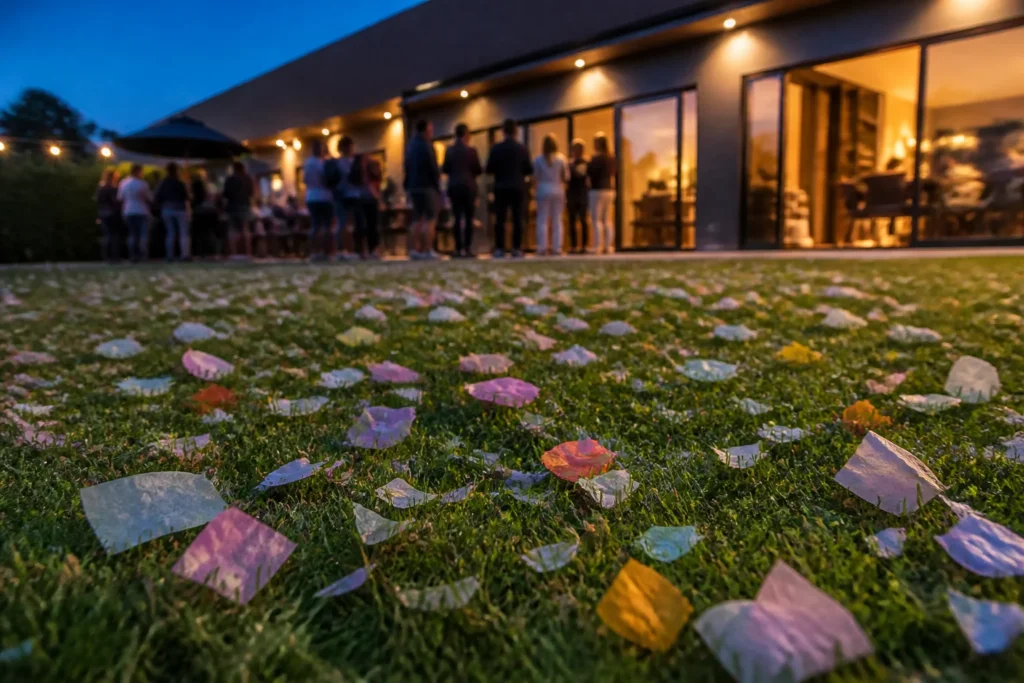
When planning a large-scale event, such as a music festival or a major sporting celebration, the sheer volume of party confetti used necessitates careful material selection. For these scenarios, bulk confetti options made from soluble starch or rice paper are often the most practical due to their rapid dissolution and ease of cleanup. Imagine a scenario where a city hosts a marathon, and at the finish line, thousands of participants are showered with confetti. If non-biodegradable materials were used, the cleanup effort would be immense and costly, potentially taking days and requiring specialized equipment. However, with soluble starch confetti, a light rain shower or even morning dew can significantly accelerate its disappearance, reducing the burden on cleanup crews and minimizing the event’s ecological footprint. This practical benefit, combined with the aesthetic appeal, makes these materials a superior choice for high-impact, environmentally conscious events. Furthermore, the cost difference between traditional and biodegradable options has narrowed significantly in recent years, making eco-friendly choices more accessible for a wider range of budgets, with many biodegradable options now within 10-20% of conventional alternatives as of 2026.
How Do You Ensure Biodegradable Confetti Meets Environmental Standards?
Ensuring biodegradable confetti meets environmental standards involves scrutinizing product labels, understanding certification processes, and considering the specific environmental conditions of your event location. First, always look for clear labeling that specifies the material composition, such as “100% rice paper” or “plant-based starch.” Vague terms like “eco-friendly” or “green” without further detail should raise a red flag. Reputable manufacturers will provide transparent information about their materials and decomposition rates. Second, seek out products that carry certifications from recognized environmental bodies. While a universal standard for “biodegradable” can vary, certifications from organizations like TÜV Austria for industrial compostability (OK Compost INDUSTRIAL) or home compostability (OK Compost HOME) offer strong assurances. These certifications indicate that the material has been tested under controlled conditions and meets specific decomposition benchmarks, often requiring at least 90% biodegradation within a defined timeframe, typically 90 to 180 days. Without such certifications, it becomes challenging to verify claims, making it a critical factor in responsible selection. This due diligence is essential for any event planner committed to minimizing ecological impact.
Beyond certifications, understanding the practical implications of “biodegradable” in an outdoor setting is crucial. Many products are designed to biodegrade in specific conditions, such as a commercial composting facility, which may not directly translate to rapid breakdown on a grassy field or in a forest. For outdoor events, prioritize confetti that is explicitly labeled as “water-soluble” or “garden-friendly,” meaning it will dissolve or decompose effectively with natural elements like rain, sunlight, and soil microbes. For example, confetti made from rice paper or soluble starch is generally water-soluble and will disappear quickly with moisture, making it suitable for most outdoor environments. In contrast, some plant-based plastics, while technically biodegradable, might require higher temperatures or specific microbial activity found only in industrial composting, making them less ideal for a natural outdoor setting where they might persist longer than desired. A recent study indicated that consumer confusion around biodegradability terms is widespread, with many assuming “biodegradable” means instant disappearance in any environment. Therefore, direct inquiry with suppliers about outdoor performance and decomposition timelines under natural conditions is a vital step.
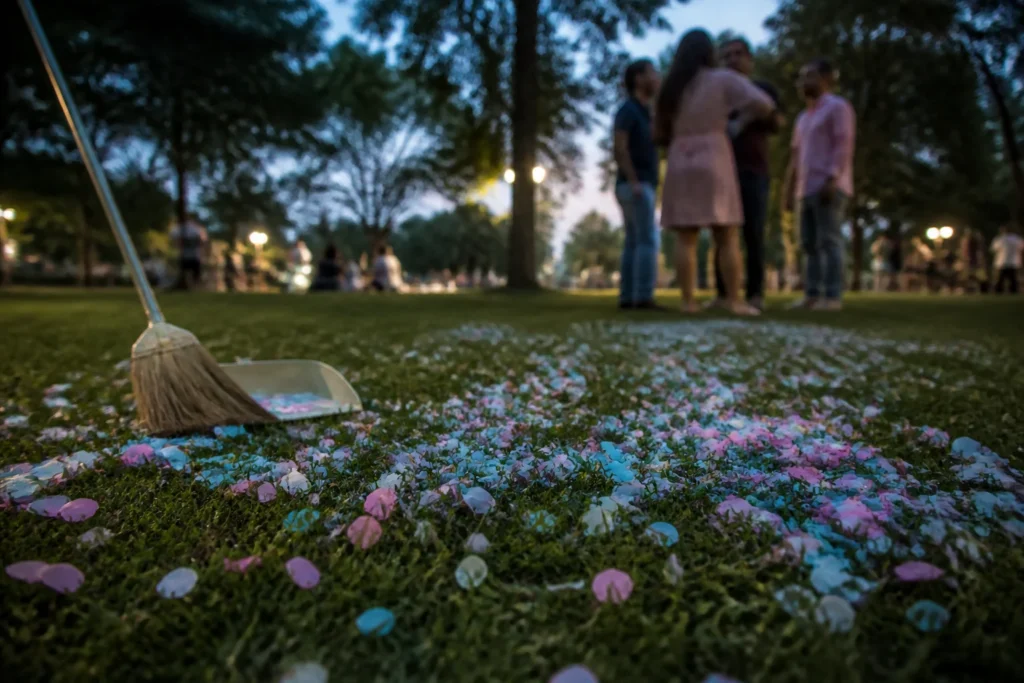
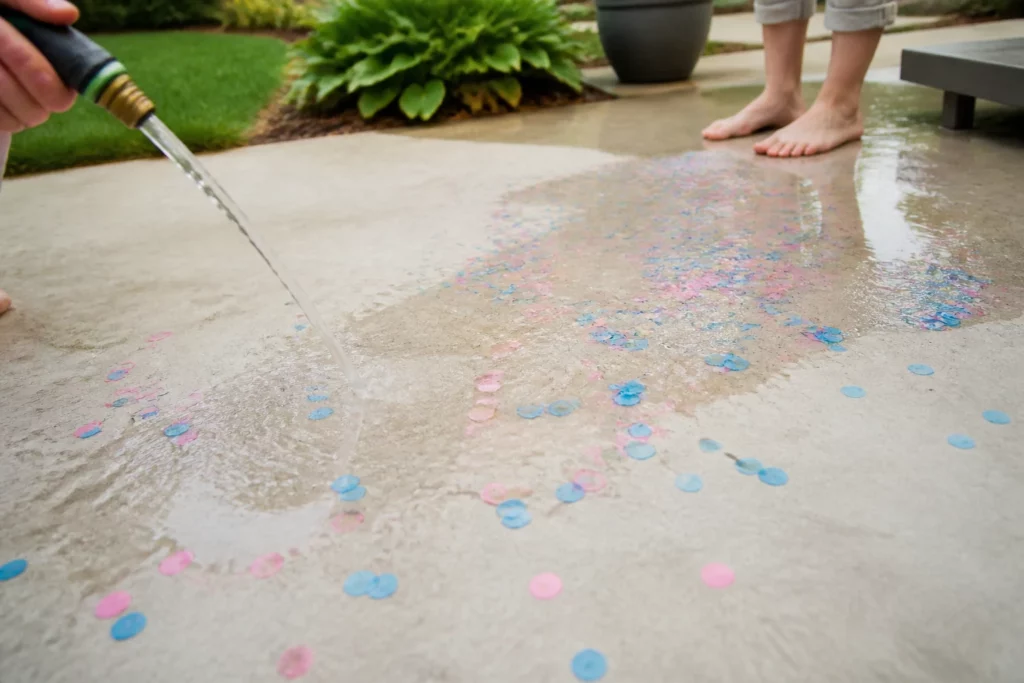
Consider the potential for staining, especially when using brightly colored party confetti. While natural dyes are preferred, some pigments, even natural ones, can temporarily stain surfaces like stone, concrete, or delicate fabrics if left wet for extended periods. To mitigate this, choose lighter colors or confetti made from materials known for minimal color bleed. For instance, white or pastel rice paper confetti is less likely to cause staining than deeply saturated colors. Always conduct a small test in an inconspicuous area if you are concerned about specific surfaces at your venue. Furthermore, inquire about the confetti’s impact on local wildlife. Non-toxic materials are essential to ensure that if animals ingest the confetti, it poses no harm. Soluble starch and dried flower petals are generally safe, as they are food-grade or natural plant matter. This comprehensive approach, combining material verification, certification checks, practical performance considerations, and potential impact assessments, ensures that your biodegradable confetti choice genuinely supports environmental protection and aligns with the principles of responsible event planning. This level of scrutiny is particularly important for events held in sensitive ecological areas, such as national parks or protected wetlands, where regulations are often very strict.
Which Factors Influence the Performance and Visual Impact of Biodegradable Party Confetti?
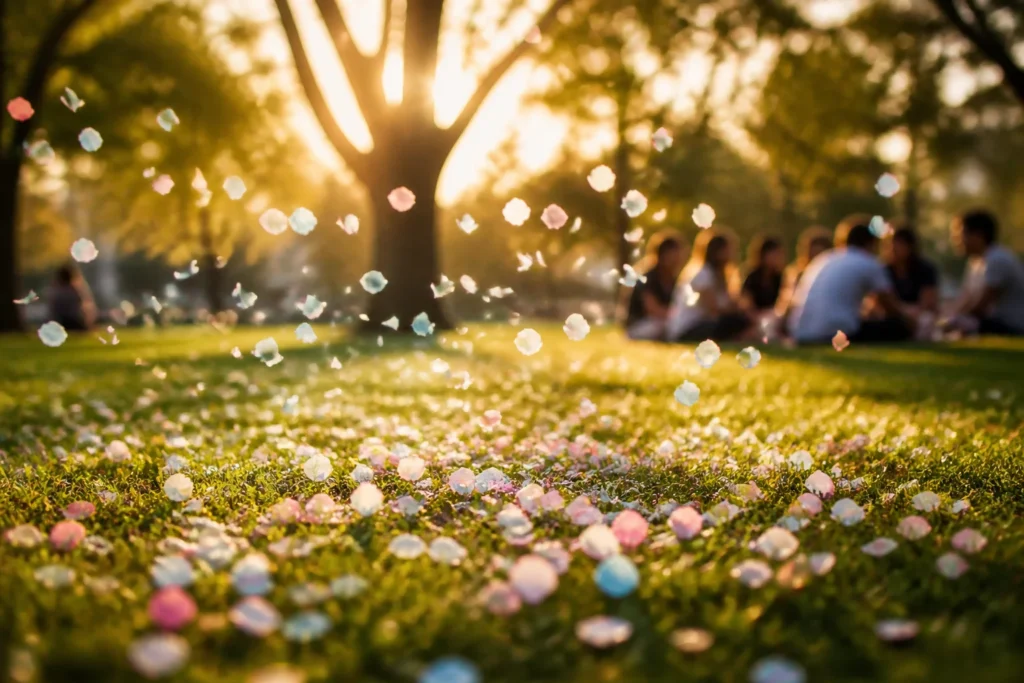
The performance and visual impact of biodegradable party confetti are influenced by several key factors, including material type, size, shape, color, and the method of dispersion. Different materials offer distinct visual and physical properties. For example, rice paper confetti is lightweight and floats gracefully, creating a prolonged, ethereal effect as it drifts down. Soluble starch confetti, while also lightweight, tends to dissolve more quickly, making it excellent for rapid disappearance. Dried flower petals provide a rustic, natural aesthetic and a unique texture, but their weight means they fall faster and have a shorter hang time. The size and shape of the confetti also play a significant role. Larger, irregularly shaped pieces, such as those cut from leaves or petals, create a more organic look, while smaller, uniformly cut circles or squares from rice paper offer a classic, dense shower effect. For instance, a 1-inch square rice paper confetti piece will typically float for 5-7 seconds in still air, whereas a larger, heavier petal might fall in 2-3 seconds. These variations allow event planners to tailor the visual experience to the specific mood and theme of their celebration.
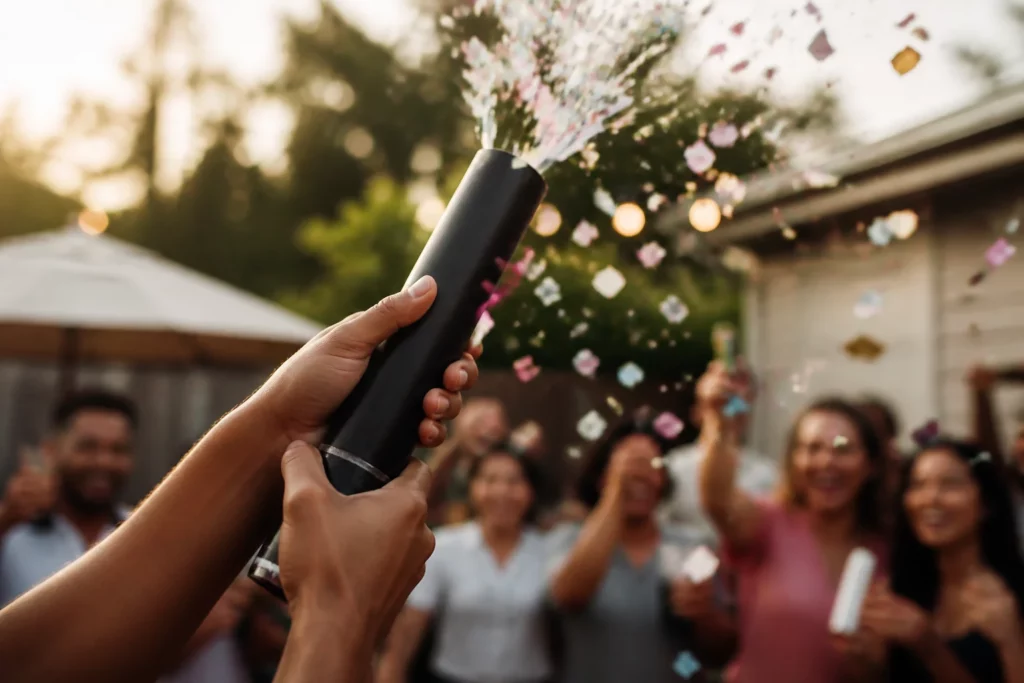
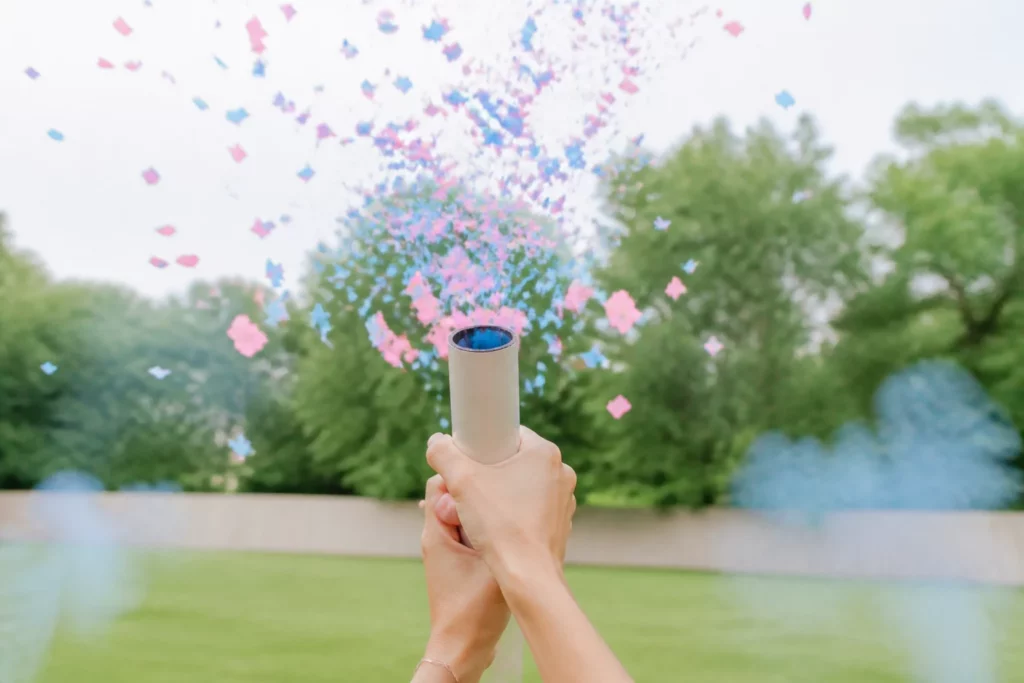
Color is another critical factor for visual impact. Biodegradable confetti is available in a wide spectrum of colors, from vibrant hues to subtle pastels. When selecting colors, consider the event’s theme and photography needs. Bright, contrasting colors tend to stand out more in photos and against natural backdrops, creating a dramatic visual. Pastel shades offer a softer, more romantic feel, often preferred for weddings. It is also important to consider how natural light will interact with the confetti. Translucent rice paper confetti can catch the light beautifully, creating a shimmering effect, while opaque starch confetti provides a more solid burst of color. The method of dispersion significantly affects both performance and visual outcome. Hand-tossing creates a more organic, scattered look, while confetti cannons, especially electric confetti cannons, can launch large quantities of confetti high into the air, producing a spectacular, widespread shower. For a gender reveal party, for example, an 18-inch blue gender reveal powder and confetti cannon or an 18-inch pink gender reveal powder and confetti cannon can create a dramatic, impactful reveal, with the confetti dispersing widely and slowly descending for maximum effect. The choice of cannon size and type, such as an electric confetti cannon, directly impacts the height and spread of the confetti, influencing the overall spectacle.
Environmental conditions, particularly wind and humidity, also heavily influence confetti performance. Strong winds can quickly carry lightweight confetti away, reducing its visual concentration and making it difficult to control the dispersion area. In such cases, slightly heavier confetti or a more powerful dispersion method might be necessary. Humidity affects how quickly water-soluble confetti begins to dissolve; in very humid conditions, it might start to soften or clump even before dispersion, impacting its flight. Conversely, dry conditions allow for maximum hang time. For outdoor events, it is advisable to check weather forecasts and consider these factors when making your final selection. For example, if planning an outdoor wedding in a breezy coastal area, opting for a mix of rice paper and slightly heavier dried petals might provide a good balance of float and visual presence. Ultimately, achieving the desired visual impact with biodegradable party confetti requires a thoughtful combination of material choice, color palette, dispersion technique, and an awareness of the prevailing environmental conditions. This holistic approach ensures that the confetti enhances the celebration while remaining environmentally responsible.
Bottom Line: To select biodegradable confetti for outdoor events, prioritize materials like rice paper, soluble starch, or dried petals, ensuring they are non-toxic and certified to decompose naturally, while also considering event regulations and visual impact.
Frequently Asked Questions
Is biodegradable confetti safe for animals?
Yes, most biodegradable confetti made from natural materials like rice paper, soluble starch, or dried flower petals is considered safe for animals. These materials are non-toxic and will not harm wildlife if ingested, as they break down naturally and are often food-grade. Always verify the product’s specific composition and dye types.
How long does biodegradable confetti take to decompose?
The decomposition time for biodegradable confetti varies by material and environmental conditions. Rice paper and soluble starch confetti can dissolve within minutes to a few hours when exposed to water. Dried flower petals typically decompose within a few days to several weeks, depending on moisture, temperature, and soil microbes.
Can I use biodegradable confetti indoors?
Absolutely, biodegradable confetti is perfectly suitable for indoor events. While its primary benefit is environmental for outdoor use, it also offers easier cleanup indoors compared to traditional plastic confetti, as it can often be swept or vacuumed and then disposed of in compost or general waste, depending on local guidelines.
Does biodegradable confetti stain surfaces?
While natural dyes are generally less prone to staining, some brightly colored biodegradable confetti can temporarily stain certain porous surfaces like concrete or light-colored fabrics if left wet for an extended period. To minimize risk, choose lighter colors or conduct a small test on an inconspicuous area if concerned.
Where can I buy high-quality biodegradable confetti?
High-quality biodegradable confetti can be purchased from specialized online retailers like ConfettiZone, which offers a wide variety of eco-friendly options. Look for suppliers who provide clear material descriptions, certifications, and recommendations for outdoor use to ensure you are getting a truly environmentally responsible product.