Answer
You can buy biodegradable confetti for weddings from a variety of specialized online retailers, eco-friendly event supply stores, and some larger craft or party supply chains that prioritize sustainable options. Key sources include dedicated online shops focusing on eco-conscious wedding supplies, which often provide detailed…
TL;DR
- Biodegradable confetti is specifically designed to decompose naturally in the environment, returning to the earth without leaving behind plastic or synthetic residues.
- The other brands of biodegradable confetti options available today caters to diverse aesthetic preferences and environmental considerations.
- Selecting the appropriate biodegradable confetti involves considering several factors, including your wedding venue's regulations, your desired aesthetic, and the local environmental conditions.
- Yes, biodegradable confetti made from natural materials like dried flower petals or plant-based starches is generally safe for animals.
Where Can I Buy Biodegradable Confetti For Weddings?
You can buy biodegradable confetti for weddings from a variety of specialized online retailers, eco-friendly event supply stores, and some larger craft or party supply chains that prioritize sustainable options. Key sources include dedicated online shops focusing on eco-conscious wedding supplies, which often provide detailed information on the confetti’s composition and degradation timeline, typically within weeks or months depending on environmental conditions. For instance, many reputable vendors offer confetti made from natural materials like dried flower petals, rice paper, or soluble starch, ensuring it breaks down without leaving harmful residues. When making a purchase, it is crucial to verify certifications or clear descriptions that confirm the product is 100% biodegradable and dye-free to prevent staining or ecological impact. As of 2024, the market for sustainable wedding products has expanded significantly, making it easier to find confetti that aligns with environmental values and venue requirements, which often prohibit traditional, non-biodegradable options.
What Makes Confetti Biodegradable and Why Does it Matter for Weddings? buy biodegradable confetti for weddings
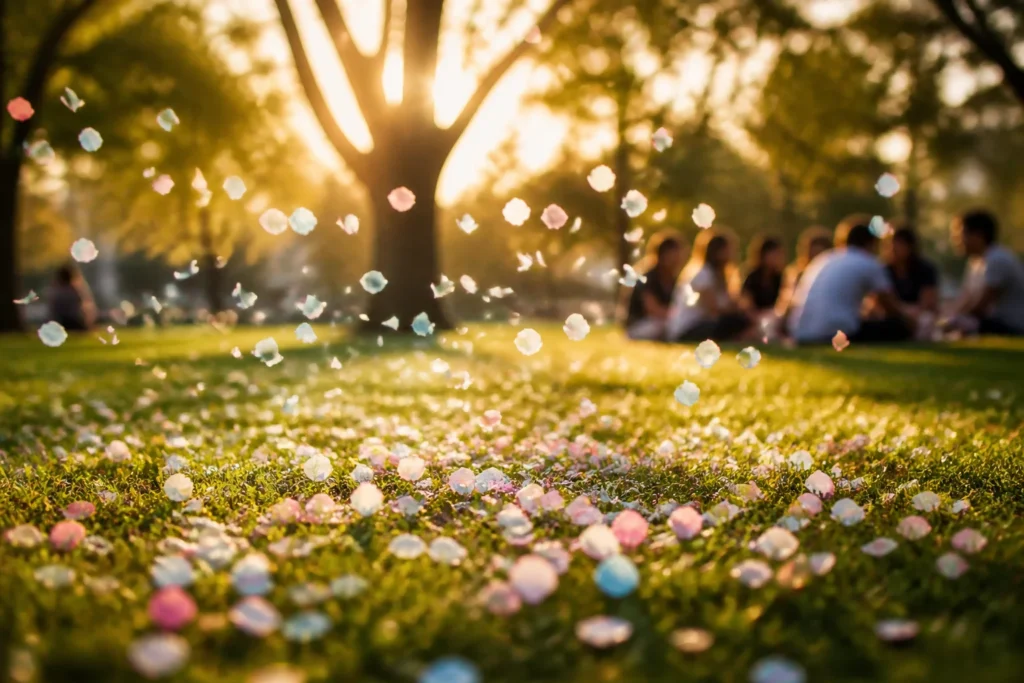
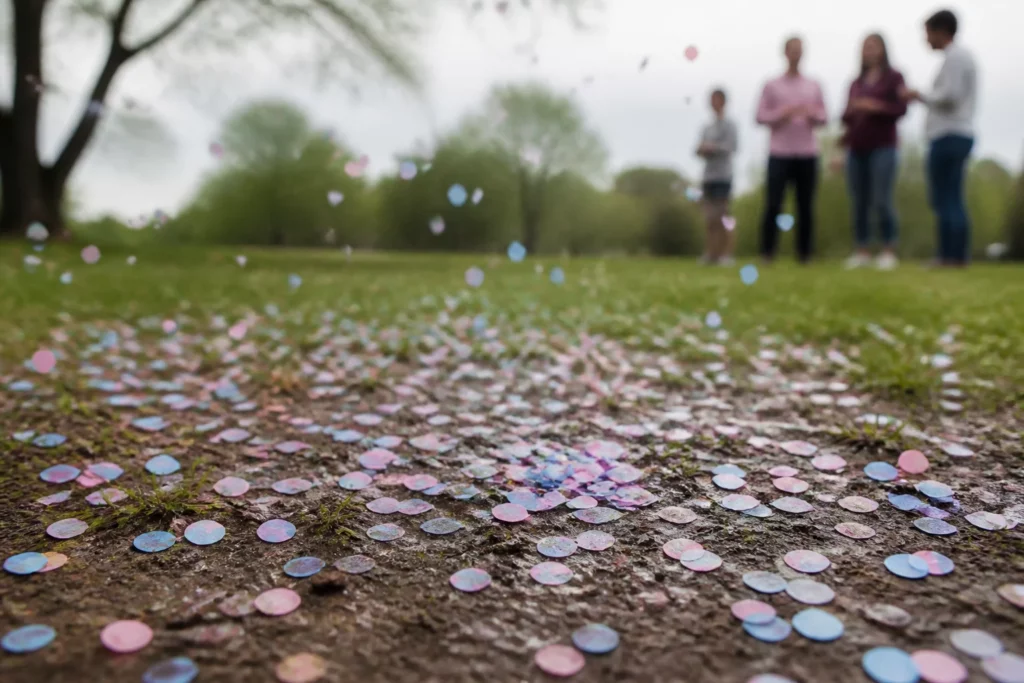
Biodegradable confetti is specifically designed to decompose naturally in the environment, returning to the earth without leaving behind plastic or synthetic residues. This characteristic is primarily due to the materials used in its production, which typically include natural elements such as dried flower petals, leaves, rice paper, or plant-based starches. Unlike traditional confetti, which is often made from plastic or metallic foils that can persist in ecosystems for hundreds of years, biodegradable alternatives break down through natural processes like microbial action, moisture, and sunlight. For example, confetti made from freeze-dried rose petals might decompose within days or weeks, while rice paper confetti could take a few months, depending on local climate conditions and soil composition. This rapid degradation is a critical factor for wedding venues, many of which now mandate the use of eco-friendly options to protect their grounds and local wildlife, as noted by various event industry guidelines.
The importance of choosing biodegradable confetti for weddings extends beyond mere compliance with venue rules; it reflects a growing commitment to environmental stewardship. Traditional confetti, when scattered outdoors, can be ingested by animals, contaminate water sources, and contribute to microplastic pollution, posing long-term ecological threats. A typical outdoor wedding might use several pounds of confetti, and if this is non-biodegradable, the cumulative impact across numerous events can be substantial. According to environmental advocacy groups, plastic pollution from single-use items, including event decorations, remains a significant concern, with millions of tons entering natural environments annually. Opting for biodegradable confetti ensures that the joyous celebration does not leave a lasting negative footprint, aligning with the values of couples who prioritize sustainability. This choice also supports businesses that invest in eco-friendly manufacturing processes, driving innovation in sustainable event supplies.
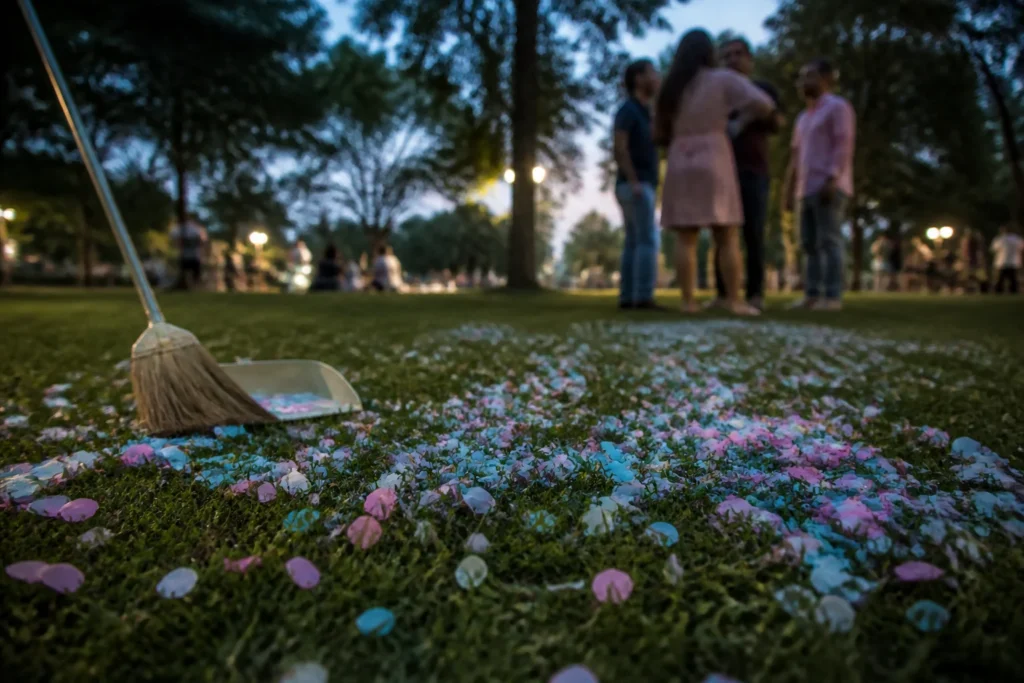
Furthermore, the aesthetic and practical benefits of biodegradable confetti are noteworthy. Many varieties, such as those made from real flower petals, offer a more natural and elegant look, enhancing wedding photography and creating a softer visual effect compared to synthetic options. For instance, lavender buds or delphinium petals provide not only visual appeal but also a subtle natural fragrance. From a practical standpoint, biodegradable confetti often requires less cleanup, as it naturally dissipates or breaks down, reducing labor for venue staff. This can be particularly advantageous for outdoor ceremonies in gardens, parks, or beaches where extensive cleanup of synthetic materials would be challenging and costly. The ease of disposal and minimal environmental impact make biodegradable confetti a responsible and increasingly popular choice for modern weddings, reflecting a broader trend towards conscious consumerism in event planning, as observed in recent industry reports from 2023.
Types of Biodegradable Confetti and Their Characteristics
The other brands of biodegradable confetti options available today caters to diverse aesthetic preferences and environmental considerations. Each type possesses unique characteristics regarding its appearance, decomposition rate, and suitability for different wedding themes. Understanding these distinctions helps couples make an informed choice that aligns with their vision and venue requirements.
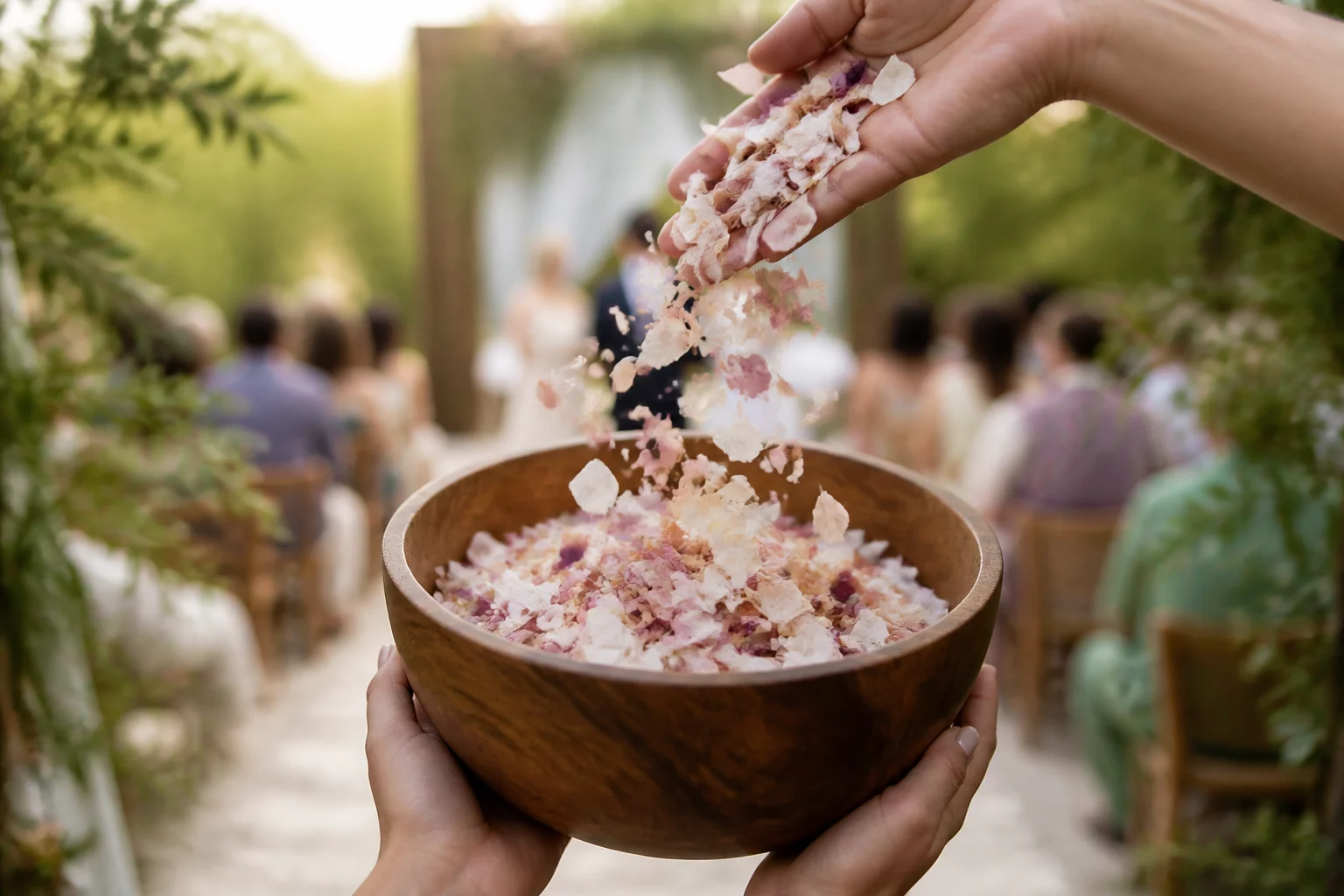
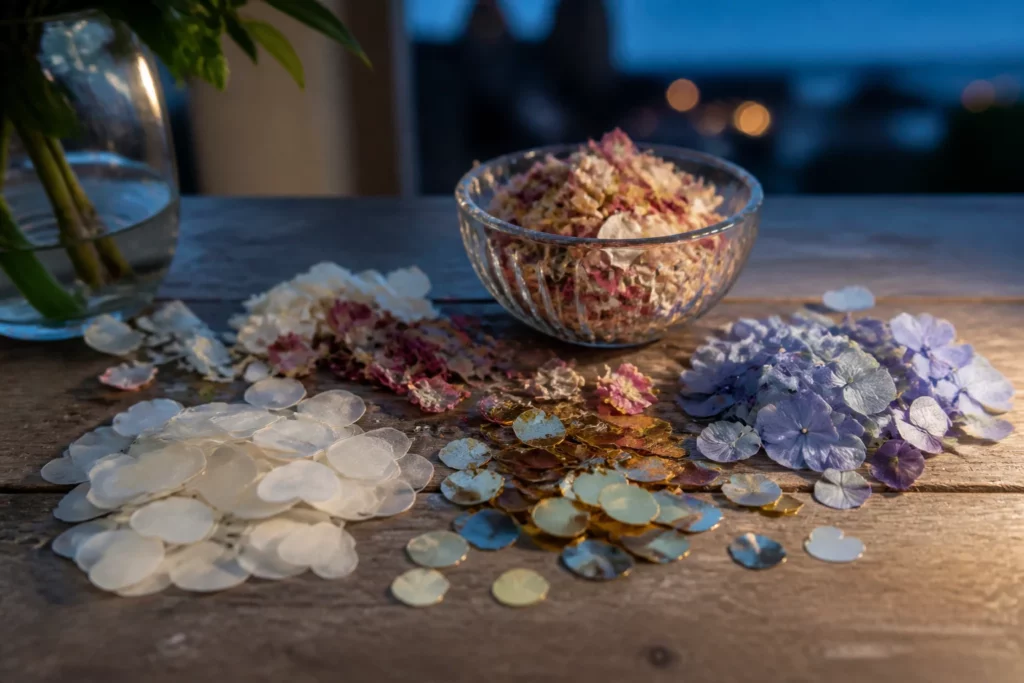
One popular category is confetti made from dried flower petals. This includes varieties like rose petals, delphinium petals, lavender buds, and calendula. These natural options offer a soft, organic look and often carry a subtle, pleasant fragrance. For instance, freeze-dried rose petals retain their vibrant color and shape, providing a luxurious feel, while delphinium petals, available in various shades of blue, purple, and white, create a delicate, whimsical effect. The decomposition time for dried flower petals is relatively quick, typically ranging from a few days to a few weeks, especially when exposed to moisture and microbial activity. They are ideal for garden weddings, rustic themes, or any outdoor setting where a natural aesthetic is desired.
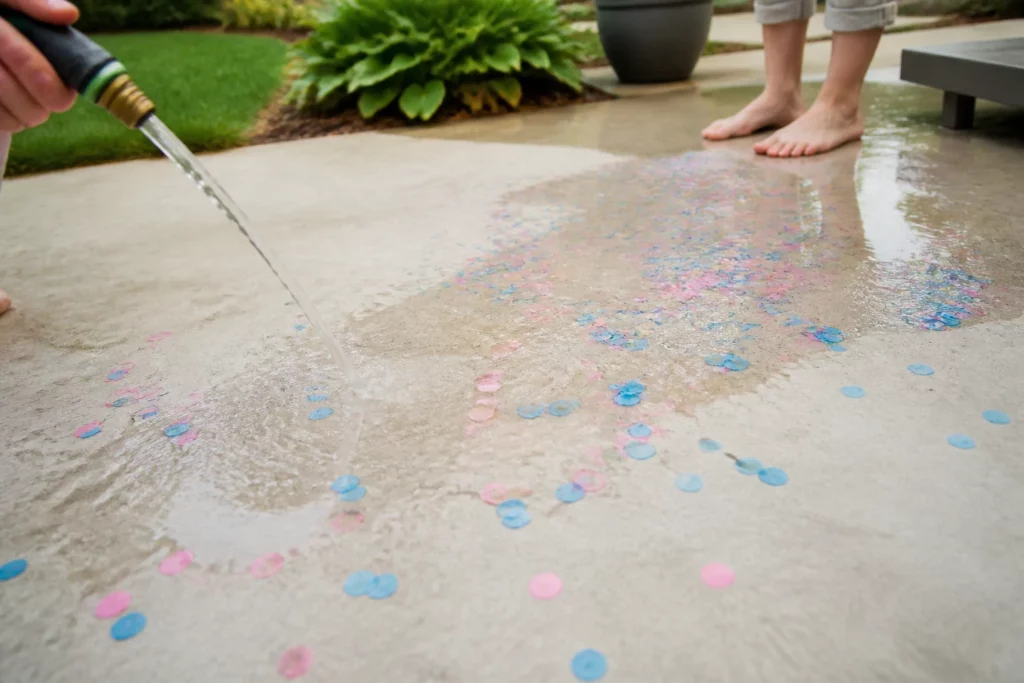
Another common type is rice paper confetti. This material is lightweight, often available in various colors and shapes, and offers a crisp, clean look when scattered. Rice paper is made from natural starches and is designed to dissolve quickly upon contact with water, making it an excellent choice for venues with strict cleanup policies or for events where rapid disappearance is paramount. Its decomposition can occur within hours or days under wet conditions, and a few weeks in drier environments. Rice paper confetti is versatile and can complement both traditional and contemporary wedding styles, providing a classic confetti shower effect without the environmental burden.
Plant-based starch confetti, often derived from corn or potato starch, represents another innovative biodegradable option. This type is engineered to be completely water-soluble and non-toxic, breaking down into harmless organic compounds. It is frequently produced in a wider range of colors and shapes than natural petals, offering more creative flexibility. Starch-based confetti typically dissolves within minutes or hours when wet, and degrades fully within a few weeks in soil. This makes it particularly suitable for venues that require extremely fast degradation or for couples seeking a specific color palette not naturally available in flower petals. Its rapid dissolution also minimizes any potential for staining, making it a safe choice for delicate surfaces.
How to Choose the Right Biodegradable Confetti for Your Wedding
Selecting the appropriate biodegradable confetti involves considering several factors, including your wedding venue’s regulations, your desired aesthetic, and the local environmental conditions. A thoughtful approach ensures that your confetti choice enhances your celebration while remaining eco-conscious.
Firstly, always consult with your wedding venue regarding their specific policies on confetti. Many venues, particularly those with gardens, historical grounds, or sensitive ecosystems, have strict rules. Some may only permit certain types of biodegradable confetti, such as natural petals, while others might allow rice paper or starch-based options due to their rapid degradation. For example, a botanical garden venue might exclusively allow dried flower petals to avoid introducing any foreign substances, whereas a beach resort might prefer water-soluble rice paper confetti that disappears with the tide. Obtaining clear guidelines from your venue is the most critical first step to avoid any last-minute issues or fines.
Secondly, consider the aesthetic you wish to achieve. Dried flower petals offer a romantic, natural, and often fragrant experience. If your wedding has a rustic, bohemian, or garden theme, petals like lavender, rose, or delphinium can beautifully complement the decor and atmosphere. For a more vibrant and uniform color splash, rice paper or starch-based confetti, available in a broader spectrum of hues, might be more suitable. These options can be customized to match your wedding colors precisely, creating a striking visual effect in photographs. Think about the overall mood and style of your wedding and how the confetti will contribute to that visual narrative.
Thirdly, evaluate the environmental conditions at your wedding location. If your ceremony is outdoors in a humid or rainy climate, water-soluble options like rice paper or starch-based confetti will dissolve quickly, minimizing cleanup. In contrast, in very dry climates, dried flower petals might persist longer before fully decomposing, though they will still break down naturally over time. The presence of wind is another factor; lighter confetti types like rice paper can drift further, potentially requiring a wider cleanup area or careful distribution. Understanding these environmental nuances can help you choose a confetti type that performs optimally and degrades efficiently in your specific setting.
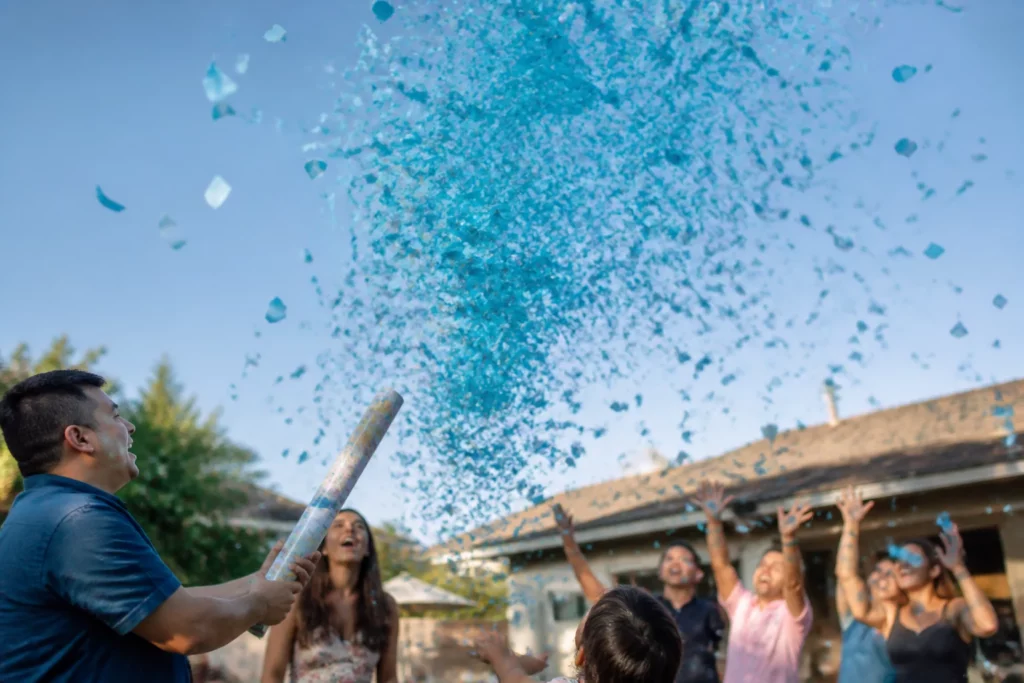
Finally, consider the method of distribution. Will guests be given small cones or bags of confetti to toss? Or will there be a confetti cannon? Some confetti types are better suited for specific distribution methods. For instance, lighter, smaller petals or rice paper pieces are ideal for hand-tossing, creating a gentle shower. Larger, more robust pieces might be better for cannons, though it’s crucial to ensure the cannon mechanism is compatible with biodegradable materials. Always test a small amount of confetti beforehand if you are unsure about its performance or appearance.
Maximizing Your Confetti Moment: Tips for a Perfect Toss
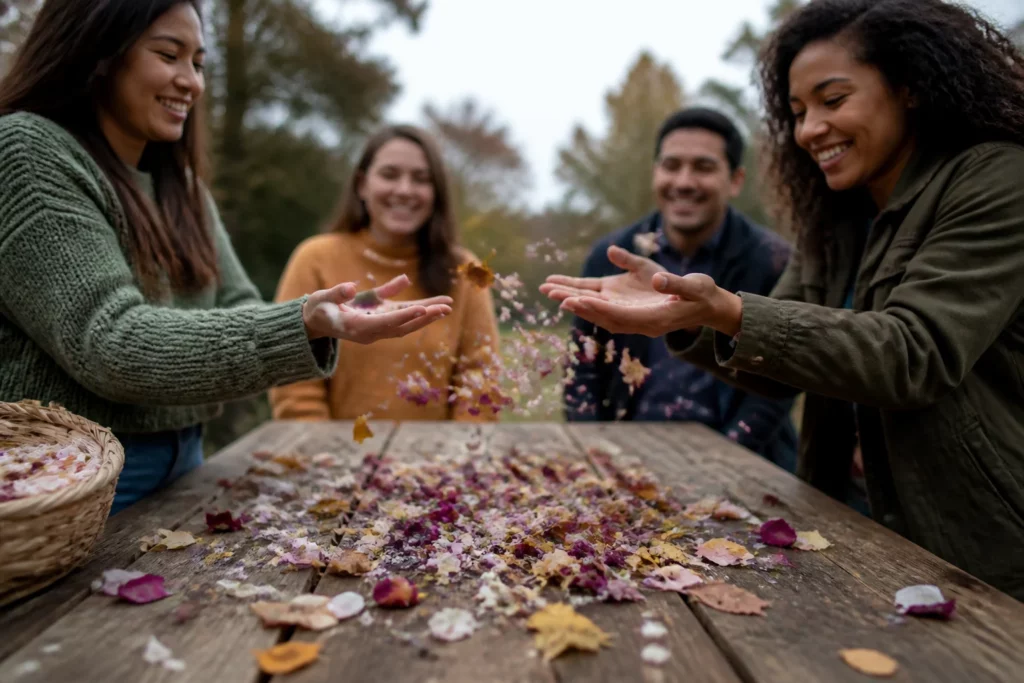
Beyond selecting the right type, optimizing how you distribute and toss biodegradable confetti can significantly enhance its visual impact and ensure a memorable moment. The timing and technique of the confetti toss are just as important as the material itself. For instance, coordinating with your photographer and videographer is crucial; they can advise on the best angles and lighting to capture the cascading effect. Many couples opt for a confetti toss during their grand exit, after the ceremony, or during their first dance, creating a dramatic and joyous visual. A common recommendation from wedding planners is to have guests toss the confetti upwards and outwards, rather than directly at the couple, to achieve a wider, more ethereal spread that looks fantastic in photos. This technique also helps the confetti stay airborne longer, maximizing the visual spectacle.
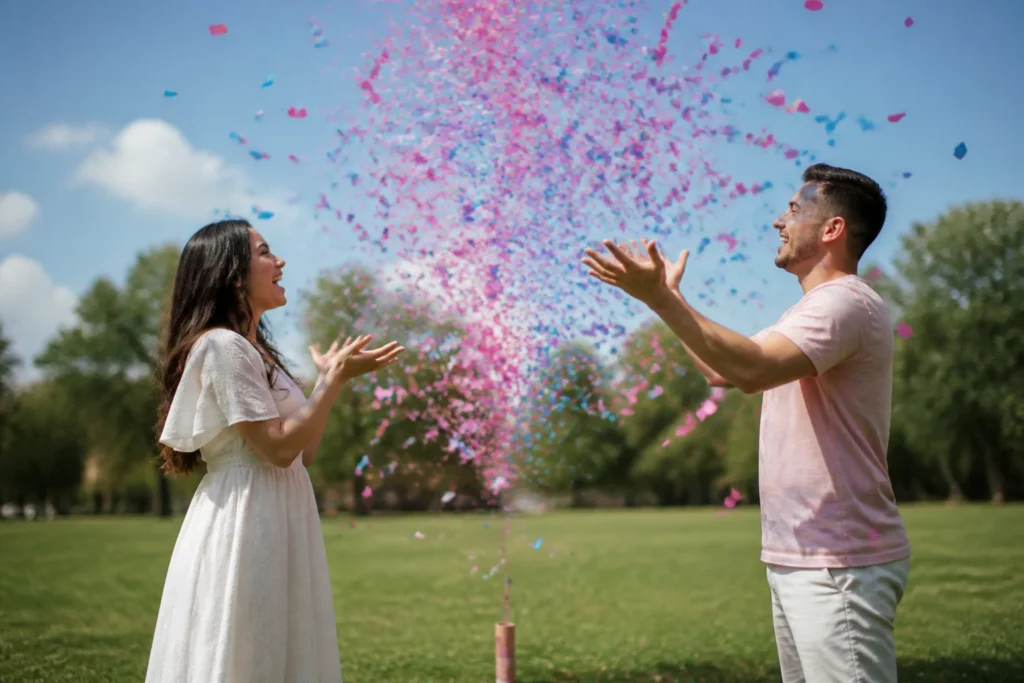
Consider the quantity of confetti needed for your desired effect. While it might seem like a small detail, having enough confetti ensures a truly impactful moment. For a typical wedding with 100 guests, many suppliers recommend providing at least one small handful (approximately 10-15 grams) per guest for a modest shower, or up to 30-40 grams per guest for a more dense, prolonged cascade. Over-ordering slightly is often better than running out, as the visual impact of a sparse toss can be underwhelming. Some couples also choose to use confetti cannons for a more dramatic burst, particularly for larger venues or specific photo opportunities. When using cannons, ensure they are designed for biodegradable materials and follow all safety instructions, as noted by event safety guidelines. The goal is to create a moment of pure celebration that is both visually stunning and environmentally responsible.
Embracing Sustainable Celebrations Beyond Confetti
The decision to use biodegradable confetti often reflects a broader commitment to sustainable wedding planning, extending beyond just the toss. Couples increasingly seek ways to minimize their environmental footprint across all aspects of their special day. This includes choices like sourcing local and seasonal flowers, opting for digital invitations to reduce paper waste, selecting caterers who prioritize locally sourced ingredients and minimize food waste, and choosing venues with strong environmental policies. For example, a 2023 survey by a leading wedding industry publication indicated that over 60% of engaged couples now consider sustainability a significant factor in their wedding decisions. This holistic approach ensures that every element of the celebration aligns with eco-conscious values, creating a truly meaningful event.
Furthermore, supporting businesses that champion sustainable practices helps drive positive change within the wedding industry. From dress designers who use ethically sourced fabrics to jewelers who offer recycled metals and conflict-free gems, the market for eco-friendly wedding products and services continues to grow. Choosing biodegradable confetti is a visible and impactful step, but it can also serve as a gateway to exploring other sustainable options. This conscious consumerism not only benefits the environment but also often supports small, independent businesses dedicated to ethical production. As one veteran event planner puts it, “Every small sustainable choice adds up to a big impact, and it starts with visible elements like confetti that guests interact with directly.” This collective effort helps shape a future where celebrations are both joyful and responsible.
Your Path to a Greener Celebration
Making eco-conscious choices for your wedding, starting with biodegradable confetti, is a powerful statement of your values. It’s about ensuring that the joy of your special day doesn’t come at the expense of the planet. By considering your venue’s rules, your desired aesthetic, and local conditions, you can easily find the perfect biodegradable confetti to enhance your celebration. This thoughtful approach not only creates beautiful memories but also contributes to a healthier environment for future generations.
Bottom Line: You can buy biodegradable confetti for weddings from specialized online retailers and eco-friendly event supply stores, with options like dried flower petals, rice paper, or plant-based starch that decompose naturally, ensuring your celebration is environmentally responsible.
Frequently Asked Questions
Is biodegradable confetti safe for animals?
Yes, biodegradable confetti made from natural materials like dried flower petals or plant-based starches is generally safe for animals. It breaks down naturally and is non-toxic, reducing the risk of harm if ingested by wildlife, unlike plastic or metallic confetti.
How long does biodegradable confetti take to decompose?
The decomposition time for biodegradable confetti varies by material and environmental conditions. Dried flower petals can break down in days to weeks, while rice paper or starch-based confetti may dissolve within hours or days when wet, and fully degrade within a few weeks in soil.
Can I make my own biodegradable confetti?
Yes, you can make your own biodegradable confetti using natural materials. Punching shapes from dried leaves or using a hole punch on fresh flower petals are popular DIY methods. Ensure any materials used are natural, dye-free, and non-toxic to maintain biodegradability.
Does biodegradable confetti stain clothing or surfaces?
Most reputable biodegradable confetti, especially those made from rice paper or plant-based starches, are designed to be dye-free and non-staining. While natural flower petals are generally safe, it’s always wise to check product descriptions and avoid prolonged contact with delicate fabrics, especially if moisture is present.