AnswerHow to Choose the Right
eco-friendly confetti for Cannons When Venue Rules Prohibit Plastic
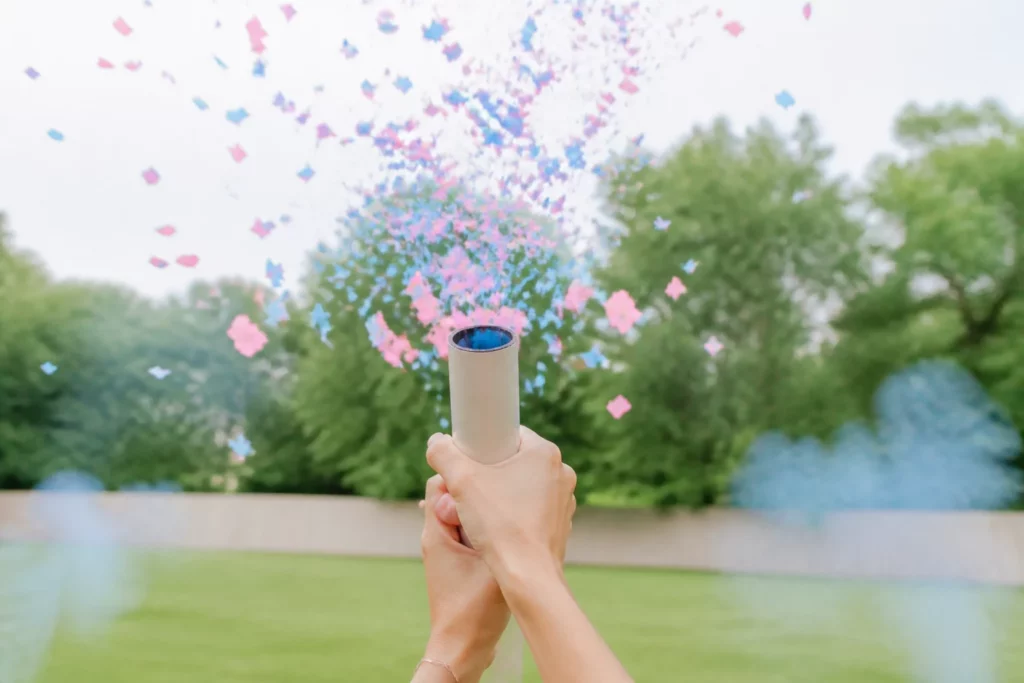
When venue rules prohibit plastic, choosing the right eco-friendly confetti for cannons means opting for biodegradable materials like
rice paper, tissue paper, or water-soluble starch-based options, which break down naturally without leaving harmful residues. For instance, many event spaces, from historic estates to modern convention centers, now mandate non-plastic alternatives to protect their grounds and local ecosystems, often citing concerns about microplastic pollution.
TL;DR
- How to Choose the Right Eco-Friendly Confetti for Cannons When Venue Rules Prohibit Plastic
When venue rules prohibit plastic, choosing the right eco-friendly confetti for cannons means opting for biodegradable materials like rice paper, tissue paper, or water-soluble starch-based options, which break down naturally without leaving harmful residues.
- For instance, many event spaces, from historic estates to modern convention centers, now mandate non-plastic alternatives to protect their grounds and local ecosystems, often citing concerns about microplastic pollution.
- Sarah, a wedding planner in Austin, Texas, recently faced this exact dilemma when her dream venue, The Green Acres Estate, explicitly banned all non-biodegradable decor.
- After a quick search and a few calls, she discovered that rice paper confetti offered the vibrant pop she needed without violating the venue's strict environmental policy, ensuring her client's grand exit was both spectacular and sustainable.
- What Makes Confetti "Eco-Friendly" for Cannons?
How to Choose the Right Eco-Friendly Confetti for Cannons When Venue Rules Prohibit Plastic
When venue rules prohibit plastic, choosing the right eco-friendly confetti for cannons means opting for biodegradable materials like rice paper, tissue paper, or water-soluble starch-based options, which break down naturally without leaving harmful residues. For instance, many event spaces, from historic estates to modern convention centers, now mandate non-plastic alternatives to protect their grounds and local ecosystems, often citing concerns about microplastic pollution. Sarah, a wedding planner in Austin, Texas, recently faced this exact dilemma when her dream venue, The Green Acres Estate, explicitly banned all non-biodegradable decor. After a quick search and a few calls, she discovered that rice paper confetti offered the vibrant pop she needed without violating the venue’s strict environmental policy, ensuring her client’s grand exit was both spectacular and sustainable.
What Makes Confetti “Eco-Friendly” for Cannons?
Understanding what truly makes confetti eco-friendly is the first step in making a responsible choice, especially when dealing with powerful confetti cannons. The core principle revolves around biodegradability and compostability. Biodegradable materials are those that can be broken down by natural processes, such as bacteria and fungi, into simpler substances, eventually returning to the earth without causing harm. Compostable materials take this a step further, breaking down into nutrient-rich organic matter under specific conditions, often within a shorter timeframe. For example, a study by the European Bioplastics Association in 2022 highlighted that while many materials claim to be “biodegradable,” the rate and conditions required for breakdown vary significantly, with some needing industrial composting facilities rather than just natural exposure. This distinction is crucial for event planners, as confetti scattered outdoors needs to degrade quickly and completely in natural environments.
Beyond the material itself, the manufacturing process also plays a role in a product’s eco-friendliness. Confetti made from sustainably sourced paper, using recycled content or materials from certified forests (like those endorsed by the Forest Stewardship Council), reduces its overall environmental footprint. Dyes used in coloring are another consideration; vegetable-based or non-toxic, water-soluble dyes are preferable to synthetic ones that could leach harmful chemicals into the soil or water. For instance, some premium eco-friendly confetti brands, like those offered by Confetti Zone, specifically use food-grade dyes to ensure maximum safety and minimal environmental impact. The goal is to ensure that once the celebration ends and the confetti settles, it doesn’t become a long-term pollutant, but rather a temporary, joyful burst that gracefully disappears.
The impact of eco-friendly confetti extends beyond just the immediate cleanup. Venues and event organizers are increasingly adopting “leave no trace” policies, which means every item brought onto the property must either be removed or naturally decompose without intervention. This shift is driven by growing environmental awareness and the desire to preserve natural beauty, particularly in outdoor settings like vineyards, botanical gardens, and national parks. According to a 2023 survey of event professionals, over 60% reported an increase in client requests for sustainable event options, with eco-friendly decor being a top priority. Choosing the right eco-friendly confetti for cannons not only complies with these rules but also aligns with a broader commitment to environmental stewardship, allowing for spectacular moments without compromising the planet.
TYPES OF ECO-FRIENDLY CONFETTI FOR CANNONS
When the moment calls for a celebratory burst, knowing your options for eco-friendly confetti is key. Each type offers unique characteristics in terms of appearance, degradation time, and suitability for different environments. For instance, imagine a garden wedding where delicate petals would be perfect, or a high-energy festival needing something more robust yet still earth-friendly. The variety ensures that no matter the vibe, there’s a sustainable solution ready to fly.
RICE PAPER CONFETTI
Rice paper confetti is a fantastic choice for its delicate texture and rapid dissolution. Made from natural starches, it’s incredibly lightweight, allowing for a graceful, floating effect when launched from cannons. Its primary advantage lies in its ability to dissolve quickly upon contact with water, making it ideal for outdoor events where rain or morning dew can aid in its disappearance. A common scenario involves outdoor concerts or sporting events where a quick cleanup is essential; rice paper confetti simply melts away, leaving no trace. It’s also completely non-toxic, posing no threat to wildlife or waterways, which is a huge win for venues near natural habitats.
TISSUE PAPER CONFETTI
For a classic confetti look with an eco-conscious twist, tissue paper confetti is a go-to. When sourced responsibly, this option is made from FSC-certified paper and colored with non-toxic, water-soluble dyes. It offers a slightly slower degradation rate than rice paper but still breaks down naturally over time, especially when exposed to the elements. Its versatility in color and shape makes it a popular choice for everything from corporate galas to birthday parties. Consider a large-scale festival in a park; tissue paper confetti provides that vibrant, celebratory visual without the lingering guilt of plastic. Many brands even offer recycled tissue paper options, further reducing their environmental footprint.
WATER-SOLUBLE STARCH-BASED CONFETTI
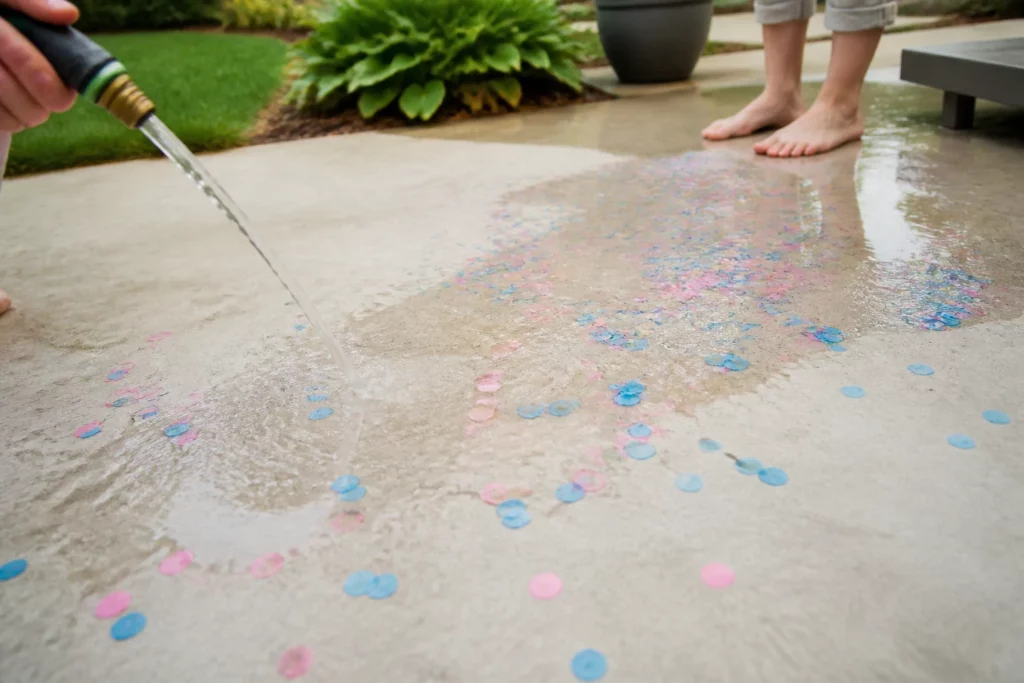
This innovative confetti type takes biodegradability to the next level. Crafted from plant-based starches, it’s designed to completely dissolve in water, often within minutes. This makes it an unparalleled choice for events near bodies of water or in areas where rapid, complete disappearance is paramount. Think about a boat parade or a lakeside wedding; traditional confetti would be a nightmare, but starch-based options vanish without a trace. It’s essentially food-grade material, meaning it’s harmless if ingested by animals, making it the ultimate “leave no trace” option. A recent event at the San Diego Bayfront utilized this confetti for a grand finale, and within an hour of a light misting, the confetti had completely disappeared, much to the delight of the venue staff.
“The beauty of eco-friendly confetti isn’t just in its vibrant flight, but in its graceful return to the earth, leaving only memories, not mess.”
DRIED FLOWER PETALS
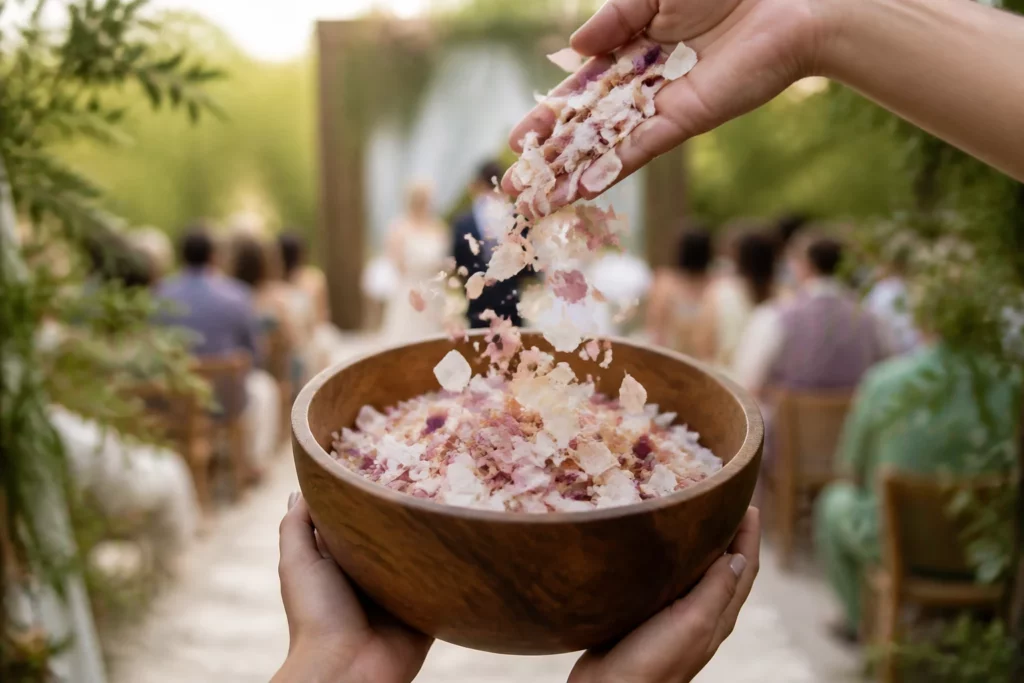
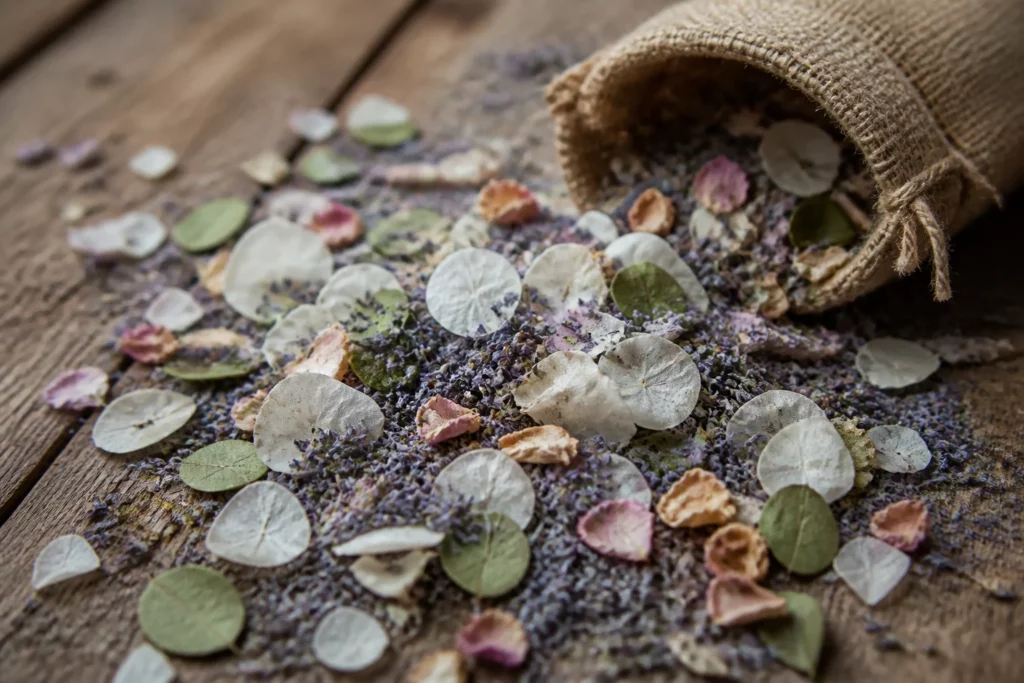
While not typically used in cannons due to their weight and potential for clogging, dried flower petals are the original biodegradable confetti and deserve an honorable mention for smaller, more intimate celebrations. They offer a natural, aromatic, and undeniably romantic aesthetic. For a garden party or a small, elegant wedding exit, a handful of dried rose petals can create a stunning visual and sensory experience. They decompose quickly and naturally, enriching the soil as they do. While not suitable for the high-velocity launch of a cannon, they embody the spirit of natural celebration.
HOW TO ENSURE YOUR CONFETTI IS TRULY ECO-FRIENDLY
Navigating the world of “eco-friendly” claims can sometimes feel like a maze. To truly ensure your confetti choice aligns with environmental responsibility, a little detective work goes a long way. It’s not enough for a product to simply state it’s “green”; understanding the certifications, materials, and manufacturing processes provides genuine peace of mind. This diligence helps you avoid “greenwashing” and make choices that genuinely support the planet.
LOOK FOR CERTIFICATIONS AND TRANSPARENCY
The first line of defense against misleading claims is to seek out reputable certifications. Labels like FSC (Forest Stewardship Council) for paper products indicate that the material comes from responsibly managed forests. Similarly, certifications for compostability, such as those from the Biodegradable Products Institute (BPI) in North America or TÜV AUSTRIA in Europe, provide assurance that a product will break down in specific composting conditions. A mini case study involved a large corporate event in Portland, Oregon, where the event planner insisted on confetti with BPI certification. This not only met the venue’s strict environmental policy but also resonated positively with attendees who valued the company’s commitment to verifiable sustainability. Always check the manufacturer’s website for detailed information on their sourcing, production methods, and dye types. Transparency is a hallmark of truly eco-conscious brands.
CONSIDER THE DYES AND ADDITIVES
Even if the base material is biodegradable, the dyes used can sometimes be problematic. Opt for confetti colored with vegetable-based, food-grade, or non-toxic water-soluble dyes. These ensure that as the confetti breaks down, no harmful chemicals leach into the soil or water. Avoid confetti with metallic finishes or glitter unless explicitly stated that these elements are also biodegradable and non-toxic. Many metallic glitters, for example, are microplastics in disguise. A simple test, if you’re unsure, is to check if the manufacturer explicitly states “non-toxic dyes” or “food-grade pigments” on their packaging or product description. If they don’t mention it, it’s worth asking.
UNDERSTAND DEGRADATION RATES AND CONDITIONS
While all eco-friendly confetti is designed to break down, the speed and conditions required vary. Rice paper and water-soluble starch-based options degrade very quickly, especially with moisture. Tissue paper, while still biodegradable, might take a bit longer, particularly in dry conditions. For outdoor events, especially in areas with minimal foot traffic or cleanup, faster-degrading options are preferable. For indoor events where cleanup is more controlled, the degradation rate is less critical, but the material’s overall environmental impact remains important. Always consider the specific environment where the confetti will be used and choose accordingly to ensure it disappears as intended.
This careful consideration of degradation rates ensures that your choice of confetti is not only visually stunning but also environmentally responsible, leaving no lasting footprint.
Crafting Unforgettable Moments, Responsibly
The journey to choosing the right eco-friendly confetti for cannons is about more than just compliance; it’s about making a conscious decision to celebrate joyously while respecting our planet. Every event, from a small family gathering to a large public spectacle, has an environmental impact, and opting for sustainable decor is a powerful way to mitigate that. Imagine a scenario where a city hosts its annual marathon, culminating in a finish-line celebration with confetti cannons. If plastic confetti were used, thousands of tiny pieces would scatter across streets, parks, and potentially into storm drains, eventually reaching local waterways. However, by choosing water-soluble starch-based confetti, the city ensures that any confetti not immediately cleaned up will simply dissolve with the next rain shower, leaving the urban ecosystem undisturbed. This proactive approach to event planning is gaining traction, with a 2023 report by the Event Industry Council indicating that 70% of event professionals now prioritize sustainable sourcing for their decor.
Beyond the immediate environmental benefits, the choice of eco-friendly confetti also sends a powerful message to attendees and stakeholders. It demonstrates a commitment to sustainability that can enhance brand reputation for corporate events or reflect personal values for private celebrations. Consider a music festival aiming for a “green” image; every detail, including the confetti launched during headline acts, contributes to that narrative. Using certified biodegradable options reinforces their dedication to environmental stewardship, resonating with an audience that is increasingly eco-conscious. This alignment of values fosters a deeper connection and can even influence future attendance or patronage. The shift towards sustainable practices is not just a trend; it’s becoming an expectation, and eco-friendly confetti is a visible, impactful way to meet that demand.
Ultimately, the decision to use eco-friendly confetti for cannons is an investment in both the success of your event and the health of the environment. It allows for the creation of breathtaking, memorable moments without the lingering guilt or ecological damage associated with traditional plastic alternatives. With a growing array of innovative, truly biodegradable options available, event planners and individuals alike have the power to make choices that are both spectacular and sustainable. The future of celebrations is bright, colorful, and, most importantly, green.
Embrace Sustainable Celebrations
As you plan your next event, consider the lasting impression you want to leave. Will it be a memory of vibrant joy, or a lingering environmental footprint? By consciously selecting eco-friendly confetti, you choose to celebrate responsibly, ensuring your spectacular moments contribute positively to the world around us. What kind of legacy will your next celebration create?
Bottom Line: Choosing the right eco-friendly confetti for cannons when venues prohibit plastic means selecting biodegradable materials like rice paper, tissue paper, or water-soluble starch-based options, ensuring a spectacular celebration that naturally disappears without harming the environment.
Frequently Asked Questions
Can eco-friendly confetti clog confetti cannons?
Most eco-friendly confetti designed for cannons, such as rice paper or tissue paper, is specifically cut and weighted to prevent clogging. Always check product specifications to ensure compatibility with your cannon model for optimal performance and safety.
How long does biodegradable confetti take to disappear?
The degradation time varies by type. Water-soluble starch-based confetti can dissolve in minutes with moisture. Rice paper confetti typically breaks down within hours or days when exposed to water. Tissue paper confetti, while biodegradable, may take several weeks or months depending on environmental conditions.
Is eco-friendly confetti safe for animals?
Yes, truly eco-friendly confetti made from natural starches, rice paper, or FSC-certified tissue paper with non-toxic dyes is generally safe for animals. Water-soluble starch-based options are often food-grade, posing no threat if ingested, making them ideal for outdoor events near wildlife.