AnswerHow to Dispose of
biodegradable confetti After Cannon Use: A Guide for Event Planners
After the last burst of
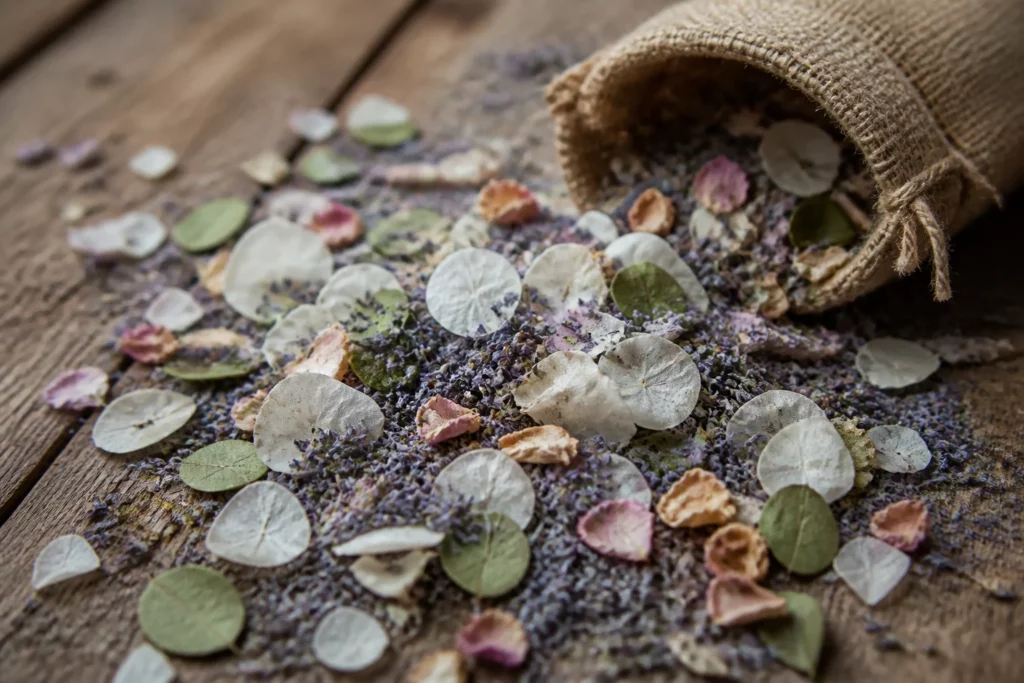
confetti for cannons has delighted your guests, the best way to dispose of biodegradable confetti is by sweeping or vacuuming it up and composting it, or simply leaving it to naturally degrade outdoors in appropriate conditions. Biodegradable confetti, typically made from rice paper, tissue paper, or flower petals, is designed to break down harmlessly into the environment, often within days or weeks, especially when exposed to moisture.
How to Dispose of Biodegradable Confetti After Cannon Use: A Guide for Event Planners
After the last burst of confetti for cannons has delighted your guests, the best way to dispose of biodegradable confetti is by sweeping or vacuuming it up and composting it, or simply leaving it to naturally degrade outdoors in appropriate conditions. Biodegradable confetti, typically made from rice paper, tissue paper, or flower petals, is designed to break down harmlessly into the environment, often within days or weeks, especially when exposed to moisture. For indoor events, collection is necessary, but for outdoor celebrations, particularly in natural settings, it can often be left to decompose, provided it’s certified compostable and free from non-biodegradable elements. This approach ensures your event leaves behind only happy memories, not environmental litter.
Key Insights
- Compost or Let Degrade: Biodegradable confetti can be composted or left to naturally break down outdoors, depending on the material and location.
- Indoor vs. Outdoor: Always collect confetti indoors; outdoors, assess the material and environment for natural degradation.
- Material Matters: Rice paper and flower petals degrade fastest; tissue paper takes a bit longer but is still eco-friendly.
- Moisture is Key: Biodegradation accelerates with exposure to water, so rain or a quick spray can help Mother Nature do her job.
- Check Certifications: Ensure your confetti is truly biodegradable or compostable to avoid unintended environmental impact.
Understanding Biodegradable Confetti Materials
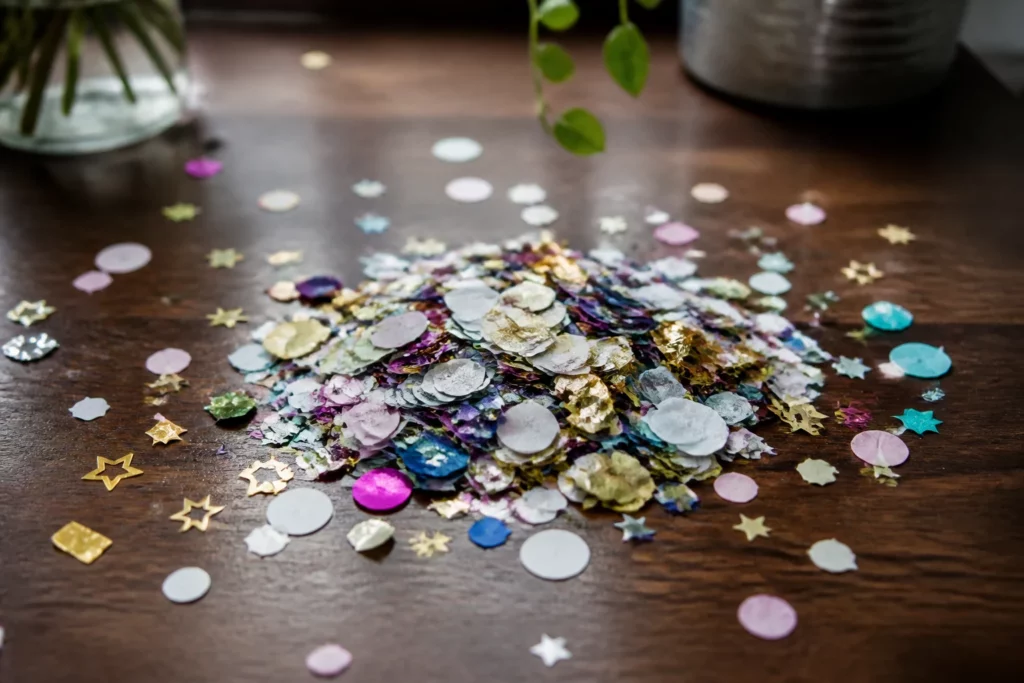
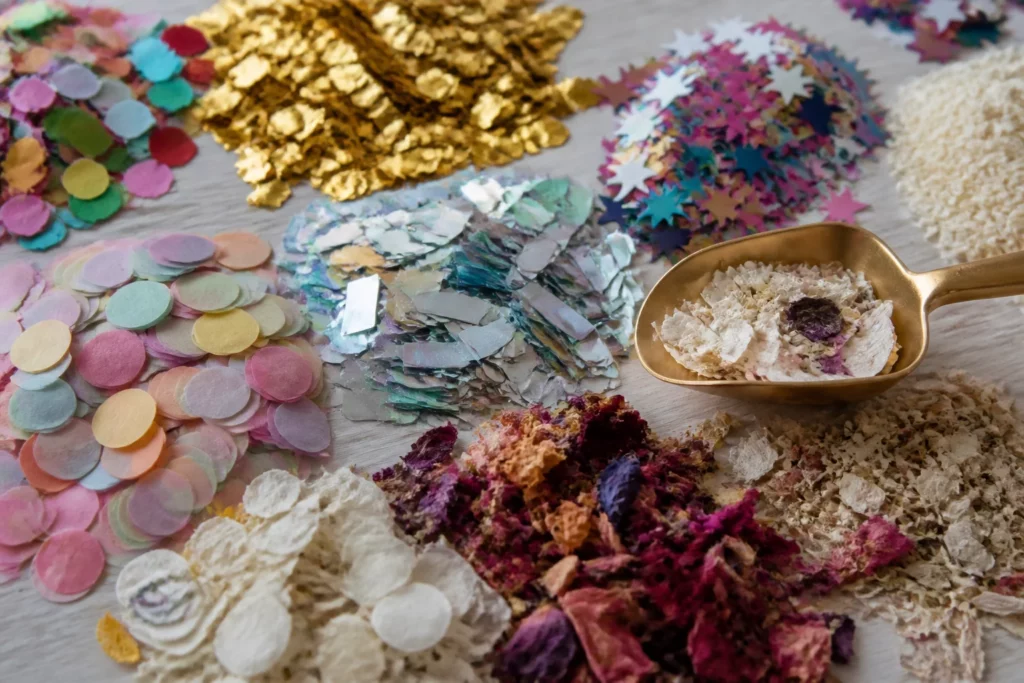
The magic behind biodegradable confetti’s eco-friendliness lies in its composition. Unlike traditional plastic confetti, which can persist in the environment for hundreds of years, biodegradable options are crafted from organic materials designed to return to nature. Rice paper confetti, for instance, is incredibly delicate and dissolves rapidly, often within hours of exposure to moisture. Imagine a light rain shower after an outdoor wedding; the rice paper confetti could practically vanish before your eyes, leaving no trace.
Tissue paper confetti, while also biodegradable, offers a slightly different degradation timeline. It’s often made from wood pulp and, while thicker than rice paper, still breaks down effectively. This type might take a few days or even a couple of weeks to fully decompose, especially in humid conditions or when integrated into soil. Flower petal confetti, perhaps the most naturally elegant choice, simply returns to the earth as organic matter, enriching the soil as it decomposes. These petals, whether fresh or dried, offer a beautiful visual and an undeniable connection to nature’s cycle.
“Choosing biodegradable confetti isn’t just about avoiding litter; it’s about actively participating in a cycle of renewal, ensuring our celebrations contribute positively to the planet.”
Best Practices for Indoor Confetti Collection
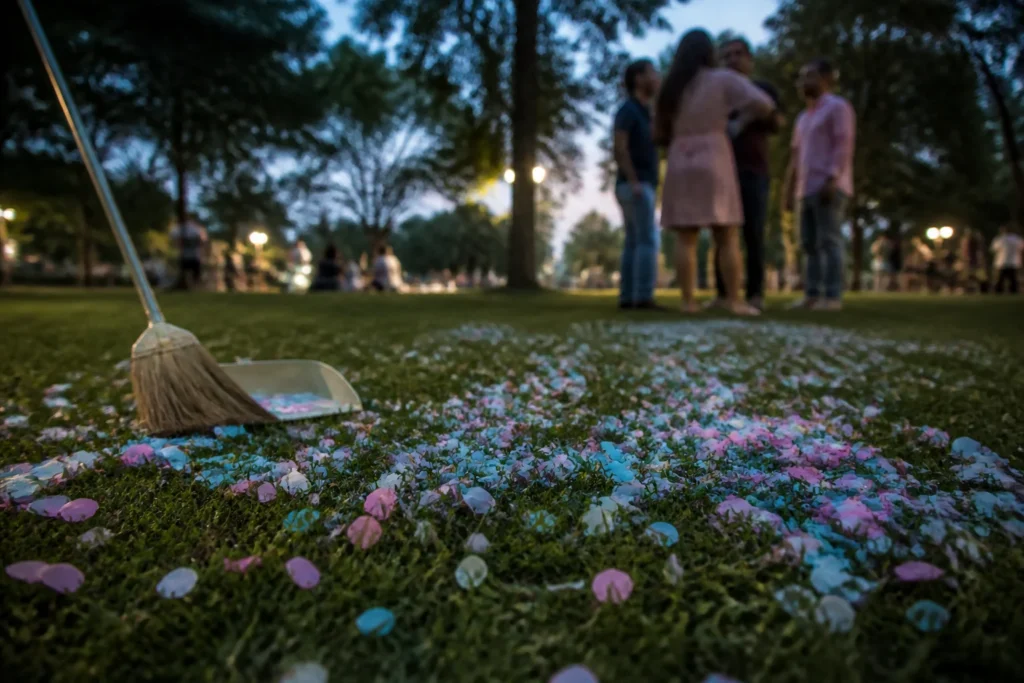
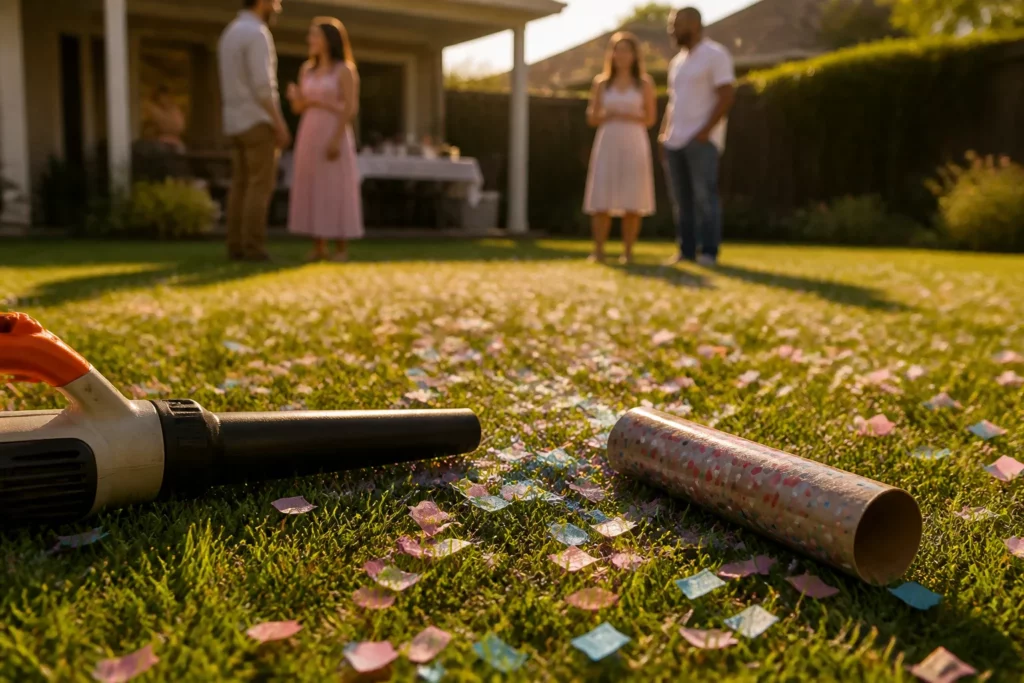
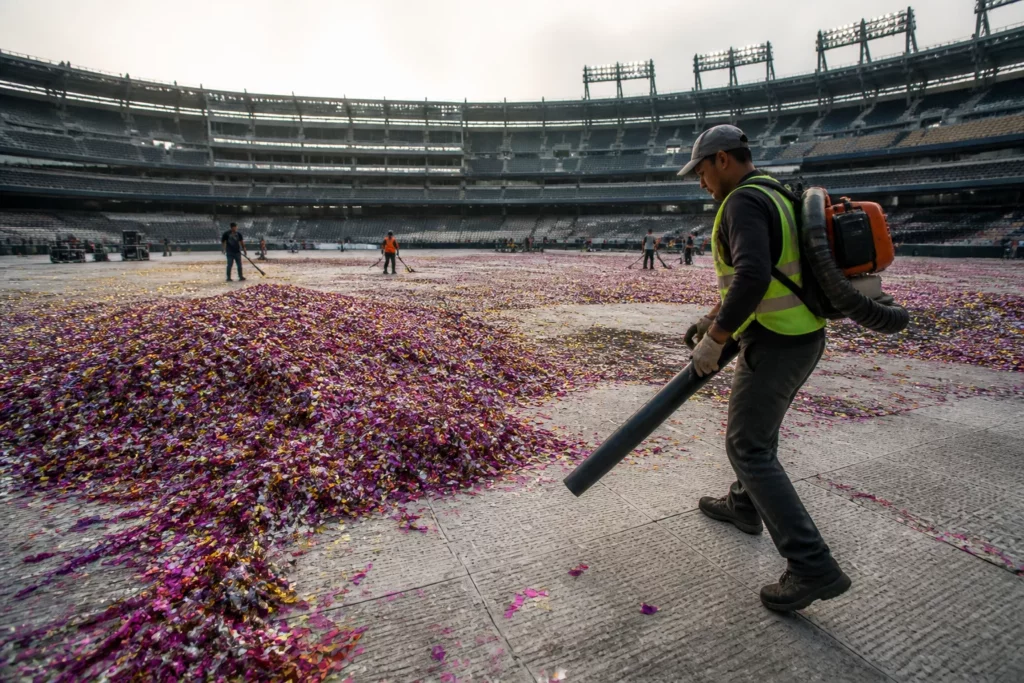
When your festivities take place indoors, the natural degradation process isn’t an option, making collection essential. The good news is that biodegradable confetti, being lightweight, is generally easy to gather. For large areas, a leaf blower set to reverse (vacuum mode) can be surprisingly effective, especially for sweeping confetti into manageable piles. For smaller, more intricate spaces, a good old-fashioned broom and dustpan or a powerful vacuum cleaner will do the trick.
Consider the type of flooring when planning your cleanup strategy. On smooth surfaces like hardwood or tile, confetti sweeps up effortlessly. Carpeting might require a bit more effort with a vacuum, particularly if the confetti has settled deep into the fibers. A mini case study from a recent corporate gala held in a grand ballroom highlighted this perfectly: after a confetti cannon display, the event staff used industrial-strength vacuums, collecting all the rice paper confetti within an hour, ready for composting. This proactive approach ensures no confetti is left behind, maintaining the venue’s pristine condition and upholding your commitment to eco-conscious event planning.
Composting Your Collected Confetti
Once collected, biodegradable confetti is a fantastic addition to a compost pile. It’s essentially organic matter, ready to break down and enrich future soil. Here’s a simple process:
- Separate: Ensure no non-biodegradable elements (like plastic cannon remnants) are mixed in.
- Moisten: If the confetti is very dry, a light spray of water can kickstart the decomposition process.
- Integrate: Mix the confetti into your existing compost pile with other “green” and “brown” materials.
- Turn: Regularly turn your compost to aerate it, speeding up the breakdown.
Within weeks, your celebratory confetti will have transformed into nutrient-rich compost, ready to nourish gardens or potted plants. This full-circle approach truly embodies responsible event management.
For outdoor events, the decision to collect or allow natural degradation hinges on several factors. While biodegradable confetti is designed to disappear, its speed of decomposition is highly dependent on environmental conditions. In a lush, moist garden or a grassy park, rice paper confetti might dissolve within a day or two, especially if there’s dew or light rain. However, on dry pavement or in arid climates, even biodegradable materials will take longer to break down. For instance, a study conducted in a botanical garden after a large festival noted that while most rice paper confetti was gone within 72 hours due to consistent morning dew, tissue paper confetti on paved pathways lingered for up to two weeks, requiring manual sweeping to maintain aesthetics. This highlights the importance of assessing the specific microclimate and surface type of your outdoor venue. If your event is in a sensitive ecological area, such as near a body of water or a protected wildlife habitat, even biodegradable confetti should be collected to prevent any potential, albeit minor, impact on the local ecosystem. The goal is always to leave no trace, ensuring the natural beauty of the location remains undisturbed.
Beyond the immediate cleanup, considering the long-term impact and perception of your event is crucial. Even if confetti is certified biodegradable, a large volume left to degrade can still be visually unappealing for a short period, potentially affecting subsequent visitors or events at the same location. Event planners often face the challenge of balancing immediate aesthetic impact with environmental responsibility. For example, a major music festival in Oregon, known for its eco-conscious initiatives, implemented a “leave no trace” policy that extended to biodegradable confetti. They deployed volunteer teams post-event to sweep up any visible confetti, even in natural areas, to ensure the grounds were returned to their pristine state as quickly as possible. This proactive approach not only minimized visual clutter but also reinforced the festival’s commitment to environmental stewardship, enhancing its brand reputation. Ultimately, while biodegradable confetti offers a superior alternative to plastic, responsible deployment and, often, collection remain key to truly eco-friendly celebrations.
Ensuring a Seamless, Eco-Conscious Celebration
Planning an event that incorporates confetti for cannons while remaining environmentally responsible requires foresight and attention to detail. The choice of confetti material is paramount; always opt for products explicitly labeled as biodegradable or compostable, ideally with third-party certifications. This verification provides assurance that the confetti will indeed break down as intended, preventing unintended environmental consequences. For example, the European Bioplastics Association offers certifications for compostable materials, which can be a reliable indicator of a product’s eco-credentials. Furthermore, consider the quantity of confetti used. While a spectacular burst is often desired, excessive amounts can make cleanup more challenging, even for biodegradable types. A balanced approach ensures maximum visual impact without overwhelming post-event management efforts. Data from event waste management companies indicates that events using moderate amounts of biodegradable confetti (e.g., 1-2 kg per 100 guests) report significantly easier and faster cleanup times compared to those using larger volumes.
Integrating cleanup plans into your overall event strategy from the outset can significantly streamline the process. For indoor venues, this might involve coordinating with the cleaning staff to ensure they are equipped with the right tools and understand the biodegradable nature of the confetti, allowing for proper disposal into compost rather than general waste. For outdoor settings, especially larger ones, consider designating specific areas for confetti use to concentrate the material, making collection or monitoring for degradation more manageable. A recent outdoor charity run in Vancouver, which used biodegradable flower petal confetti at the finish line, successfully managed cleanup by clearly marking the confetti zone and deploying a small team of volunteers with rakes and biodegradable bags immediately after the last runner crossed. This strategy ensured that the park was left spotless within hours, demonstrating that thoughtful planning can make eco-friendly confetti use both beautiful and practical. By prioritizing certified materials, managing quantities, and planning for post-event logistics, event planners can ensure their celebrations are both memorable and kind to the planet.
Your Event’s Lasting Impression
The choices made regarding event materials, particularly something as visually impactful as confetti, contribute significantly to the overall message your event conveys. Opting for biodegradable confetti and implementing a thoughtful disposal strategy reinforces a commitment to sustainability, resonating positively with guests, sponsors, and the wider community. It transforms a fleeting moment of joy into an enduring statement of environmental responsibility. Consider the ripple effect: guests who witness such eco-conscious practices may be inspired to adopt similar habits in their own lives or events. This subtle yet powerful influence extends the positive impact far beyond the event’s duration. According to a 2023 survey by Eventbrite, 78% of attendees prefer events that demonstrate environmental responsibility, highlighting the growing importance of sustainable practices in event planning. By choosing biodegradable confetti and ensuring its proper disposal, you’re not just cleaning up; you’re setting a standard and fostering a culture of care for our shared environment.
Bottom Line: Disposing of biodegradable confetti after cannon use involves either collecting it for composting indoors or allowing it to naturally degrade outdoors, with the method depending on the material, location, and environmental conditions to ensure no lasting impact.
Frequently Asked Questions
How quickly does biodegradable confetti break down?
The breakdown time varies by material and conditions. Rice paper confetti can dissolve within hours when wet, while tissue paper confetti typically takes a few days to a couple of weeks, especially with moisture and soil integration. Flower petals decompose naturally as organic matter.
Is it always necessary to collect biodegradable confetti outdoors?
Not always. If the confetti is certified compostable and the outdoor conditions (like moisture and natural ground cover) are suitable for rapid degradation, it can often be left to break down naturally. However, collection is recommended in sensitive ecological areas or on paved surfaces.
Can biodegradable confetti harm animals or plants?
Biodegradable confetti made from natural materials like rice paper, tissue paper, or flower petals is designed to be non-toxic and harmless to the environment. It breaks down into organic matter, posing no significant threat to wildlife or vegetation.