Answer
When planning a gender reveal confetti moment at a public venue, understanding local regulations is crucial, as rules vary significantly by municipality, venue type, and even specific event permits. Generally, using confetti, especially non-biodegradable types, is often restricted or prohibited in public parks, beaches, and…
TL;DR
- Local regulations for confetti use at public venues vary widely; always check with municipal authorities and venue management.
- Securing the necessary permits is often the most critical step when planning a gender reveal confetti moment in a public space.
- Ignoring or misunderstanding the regulations for confetti use at public venues can lead to significant repercussions.
- Beyond understanding the regulations and potential pitfalls, successful planning for a gender reveal confetti moment at a public venue involves several practical steps to ensure a smooth and enjoyable experience.
- Plastic confetti is almost universally prohibited in public venues due to its non-biodegradable nature and environmental impact.
What Are the Regulations for Using Confetti at Public Venues When Planning a Gender Reveal?
When planning a gender reveal confetti moment at a public venue, understanding local regulations is crucial, as rules vary significantly by municipality, venue type, and even specific event permits. Generally, using confetti, especially non-biodegradable types, is often restricted or prohibited in public parks, beaches, and historical sites due to environmental concerns and cleanup costs. For instance, many city ordinances, like those in San Francisco or New York City, explicitly ban the release of any material that could become litter, including confetti, without a special permit. Event organizers typically need to secure permits from local authorities, such as a city’s parks and recreation department or a venue’s management, which will outline permissible materials (often requiring biodegradable options), designated areas, and cleanup responsibilities. Failure to comply can result in significant fines, ranging from hundreds to thousands of dollars, and potential liability for environmental damage or cleanup expenses, as reported by various municipal waste management departments in recent years.
As Dan D., an expert in event planning and an online retailer of confetti for events, I’ve seen firsthand how easily excitement can overshadow practical considerations. My goal here is to help you navigate these complexities, ensuring your celebration is both memorable and compliant. This article will focus on the regulatory landscape for gender reveal confetti at public venues, providing clear guidance and examples. We will not delve into private venue regulations or specific product recommendations, as those topics warrant separate, dedicated discussions.
Key Insights
- Local regulations for confetti use at public venues vary widely; always check with municipal authorities and venue management.
- Biodegradable confetti is often a mandatory requirement for permitted events in public spaces to mitigate environmental impact.
- Permits are typically required for any confetti use in public areas, outlining specific rules, cleanup responsibilities, and potential fees.
- Non-compliance can lead to substantial fines and liability for cleanup costs, making due diligence essential.
- Consider the environmental impact and choose eco-friendly options to align with growing public and regulatory expectations.
Understanding Permit Requirements and Application Processes
Securing the necessary permits is often the most critical step when planning a gender reveal confetti moment in a public space. The specific permit required will depend on the nature of the public venue. For instance, a city park might require a “Special Event Permit” or a “Park Use Permit” from the local parks and recreation department, while a public plaza managed by a downtown development authority might have its own distinct application process. These permits are designed to ensure public safety, manage environmental impact, and allocate resources for cleanup and maintenance. The application typically involves detailing the event’s purpose, expected attendance, duration, and any special activities, such as the release of confetti.
The application process itself can vary in complexity and timeline. In larger metropolitan areas, like Los Angeles or Chicago, permit applications for public events can require submission several months in advance, especially for events involving more than a handful of participants or specialized equipment. Smaller municipalities might have a shorter lead time, perhaps a few weeks. It is crucial to inquire about the specific deadlines and required documentation early in your planning process. Common requirements include site plans, proof of insurance, and a detailed cleanup plan. Some jurisdictions may also require a refundable deposit to cover potential cleanup costs or damages, which is returned upon satisfactory inspection of the venue after the event.
Navigating Biodegradable Confetti Mandates
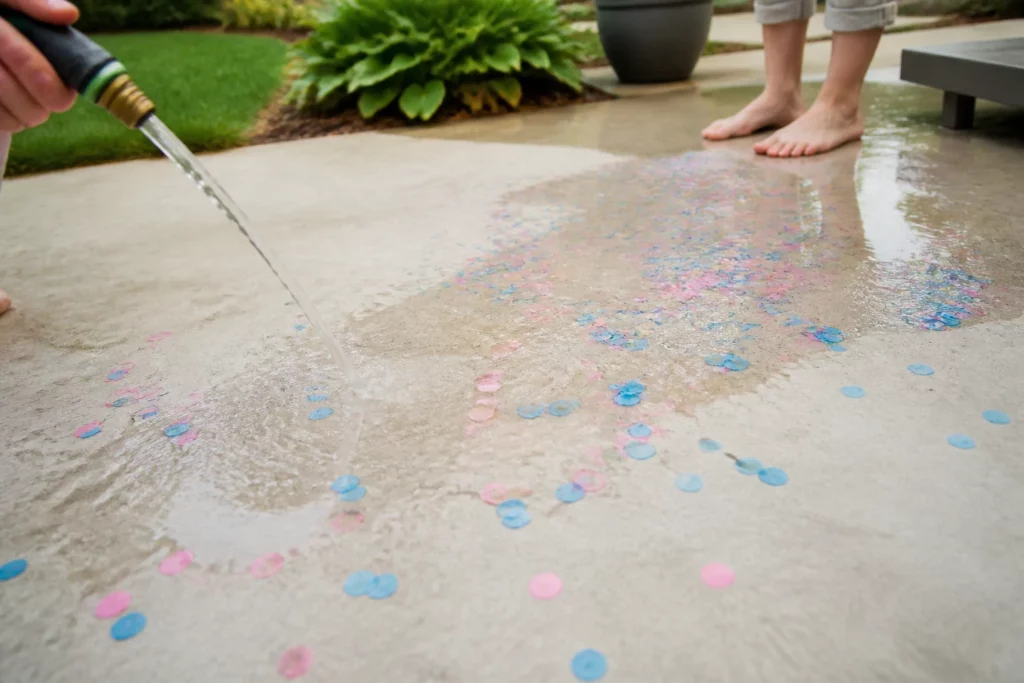
A recurring theme in public venue regulations is the mandate for biodegradable confetti. This requirement stems from a growing awareness of environmental protection and the desire to minimize litter and ecological harm. Biodegradable confetti is typically made from materials like rice paper, tissue paper, or even dried leaves, designed to break down naturally over time when exposed to elements like water and sunlight. Unlike traditional plastic or metallic confetti, which can persist in the environment for years, biodegradable options significantly reduce the long-term impact on ecosystems, wildlife, and waterways.
When selecting biodegradable confetti, it is important to verify its composition and ensure it meets any specific standards outlined by the permitting authority. Some permits might specify “water-soluble” or “compostable” materials, going beyond a general “biodegradable” claim. For example, a permit for a beachside gender reveal in Florida might explicitly prohibit any material that could wash into the ocean, even if it’s technically biodegradable, favoring options that dissolve quickly. Always confirm with the venue or permitting office if they have a list of approved materials or preferred suppliers to avoid any last-minute compliance issues. Choosing certified eco-friendly products not only helps meet regulatory requirements but also aligns with responsible event planning practices.
Consequences of Non-Compliance and Mitigation Strategies
Ignoring or misunderstanding the regulations for confetti use at public venues can lead to significant repercussions. The most immediate consequence is often financial, in the form of substantial fines. These penalties are not uniform; they can range from a few hundred dollars for minor infractions, such as using non-approved materials, to several thousand dollars for more severe violations, like extensive littering that requires specialized cleanup crews. For instance, a city like Seattle, known for its strong environmental policies, might impose higher fines for littering in public parks compared to a smaller town. Beyond monetary penalties, event organizers can also be held liable for the actual costs incurred by the municipality or venue for cleanup, which can quickly escalate depending on the scale of the confetti release and the difficulty of removal.
Furthermore, non-compliance can have reputational consequences. Public venues and local authorities maintain records of event organizers and their adherence to regulations. A history of non-compliance could jeopardize future permit applications, making it difficult to host events in public spaces. In some cases, particularly with large-scale littering or environmental damage, there could even be legal ramifications beyond fines, though these are less common for typical gender reveal events. To mitigate these risks, thorough due diligence is paramount. This includes carefully reading all permit conditions, communicating openly with venue management, and having a robust cleanup plan in place. A proactive approach, such as designating a cleanup crew and having appropriate tools (e.g., leaf blowers, brooms, and trash bags) immediately available, can significantly reduce the impact of any confetti release and demonstrate a commitment to responsible event execution.
A crucial aspect of mitigation involves proactive communication with the venue and permitting authorities. Before the event, confirm all details regarding confetti use, including approved types, designated areas, and cleanup protocols. Document these conversations and agreements, especially if any specific allowances or modifications are made. For instance, a venue manager might permit a small, contained confetti pop in a specific outdoor area, provided a tarp is laid down and immediate cleanup is guaranteed. This level of detail and transparency can prevent misunderstandings and demonstrate your commitment to compliance, which can be invaluable if an issue arises. Ultimately, the goal is to enjoy a memorable gender reveal without incurring unnecessary penalties or causing environmental harm, making careful planning and adherence to regulations indispensable.
Planning for a Seamless Gender Reveal Confetti Experience
Beyond understanding the regulations and potential pitfalls, successful planning for a gender reveal confetti moment at a public venue involves several practical steps to ensure a smooth and enjoyable experience. One key element is timing. Consider the weather conditions on the day of your event. Wind, in particular, can significantly impact confetti dispersal and cleanup. A strong breeze can carry confetti far beyond your designated cleanup zone, making recovery challenging and increasing the risk of non-compliance. Opting for a calmer day or a more sheltered location within the permitted area can greatly simplify cleanup efforts. Additionally, the time of day can influence crowd levels; early mornings or late afternoons might offer fewer onlookers, providing a more intimate setting and easier management of the confetti release.
Another practical consideration is the method of confetti release. While handheld poppers are common, larger-scale releases might involve cannons or specialized equipment. If using such devices, ensure they are approved by the venue and operated safely. Some permits might require professional operators for certain types of equipment, or they might have restrictions on noise levels or projectile range. For example, a city park might allow small, hand-cranked confetti cannons but prohibit compressed air models that could startle wildlife or create excessive noise. Always prioritize safety and adhere to any operational guidelines provided by the manufacturer and the permitting authority. Having a designated person responsible for the confetti release, who is fully aware of the rules and cleanup plan, is also highly recommended to maintain control and accountability.
Finally, a comprehensive cleanup strategy is non-negotiable. Even with biodegradable confetti, immediate removal is often required by permits to prevent it from becoming litter before it naturally degrades. Assemble a dedicated cleanup crew, whether it’s friends, family, or hired help, and equip them with the necessary tools: brooms, dustpans, portable vacuums, leaf blowers, and plenty of trash bags. A pre-event walkthrough of the designated area can help identify potential challenges, such as uneven terrain or dense foliage, which might complicate cleanup. Post-event, conduct a thorough inspection of the area to ensure no confetti is left behind. Taking photos before and after the event can serve as proof of compliance, especially if a refundable deposit was made. According to municipal waste management data from 2024, the most common reason for fines related to event littering is inadequate post-event cleanup, underscoring the importance of this step.
Ensuring Your Celebration Leaves No Trace
The ultimate goal for any gender reveal confetti event in a public space is to create a joyful memory without leaving a negative impact. This commitment to “leave no trace” extends beyond just confetti cleanup. It encompasses respecting the venue’s natural environment, minimizing disruption to other public users, and adhering to all aspects of your permit. For instance, if your permit specifies a certain noise level, ensure your celebration remains within those bounds. If parking is restricted, communicate alternative transportation options to your guests. As one veteran event planner often advises, “A truly successful event is one where the only thing left behind are happy memories, not litter or complaints.” This holistic approach to event planning not only ensures compliance but also fosters positive relationships with public venues and local communities, making future celebrations easier to plan.
Bottom Line: Planning a gender reveal confetti event at a public venue requires strict adherence to local regulations, including securing permits, using biodegradable materials, and executing a thorough cleanup plan to avoid significant fines and environmental liability.
Frequently Asked Questions
Is plastic confetti ever allowed in public venues for gender reveals?
Plastic confetti is almost universally prohibited in public venues due to its non-biodegradable nature and environmental impact. Most permits for public spaces specifically mandate the use of biodegradable or water-soluble materials to prevent litter and ecological harm.
How far in advance should I apply for a permit for a public gender reveal?
The timeline for permit applications varies by municipality and venue, but it’s generally advisable to apply several weeks to several months in advance. Larger cities or more complex events may require longer lead times, so check specific deadlines early in your planning.
What kind of cleanup is expected after a confetti release in a public park?
Permits typically require immediate and thorough cleanup of all confetti, even biodegradable types. This often means having a dedicated crew with tools like brooms, leaf blowers, and trash bags to ensure no material is left behind, often subject to a post-event inspection.
Can I be fined if my biodegradable confetti isn’t fully cleaned up?
Yes, even with biodegradable confetti, failure to clean up adequately can result in fines and liability for cleanup costs. Permits often specify that all materials must be removed, regardless of their biodegradability, to maintain public cleanliness and prevent litter.