AnswerThe best
biodegradable confetti options are those made from natural, plant-based materials that break down completely without leaving harmful residues. These include dried flower petals, real leaves,
rice paper, and even birdseed.
TL;DR
- Selecting the appropriate biodegradable confetti involves considering several factors beyond just its eco-friendliness.
- Creating your own biodegradable confetti is a cost-effective and highly customizable option.
- The shift towards sustainable event planning is more than a trend; it's a growing imperative, with many venues and municipalities implementing stricter environmental guidelines as of 2024.
- Choosing biodegradable confetti is a powerful statement about your commitment to the planet, ensuring your special moments leave only beautiful memories, not environmental damage.
- Most biodegradable confetti, such as dried flower petals or rice paper, decomposes rapidly, typically within a few days to a few weeks.
What Are The Best Biodegradable Confetti Options?
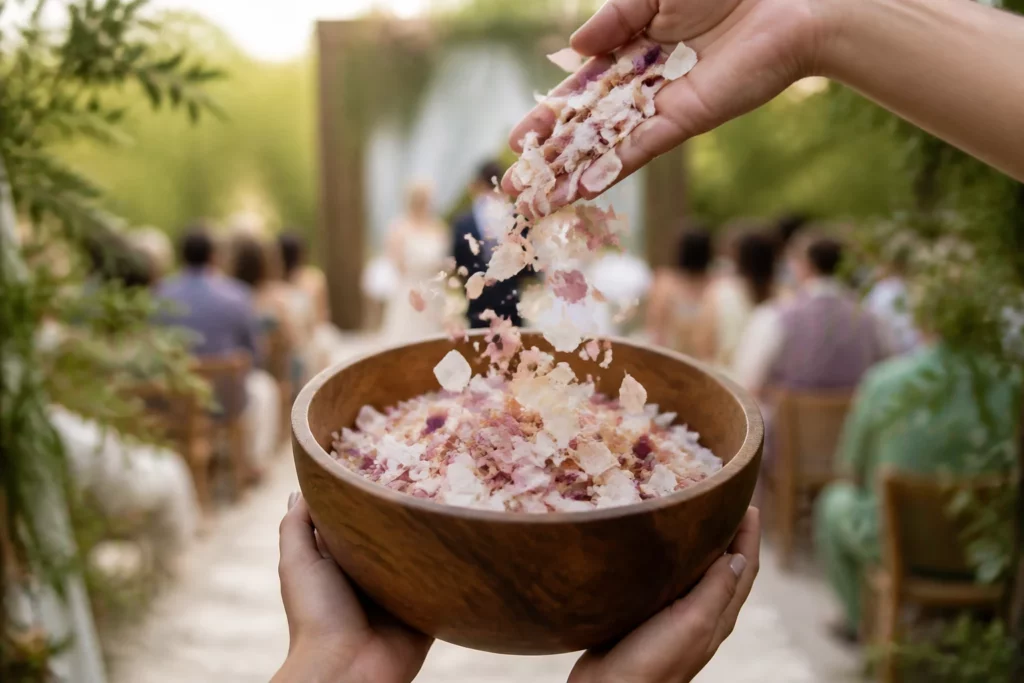
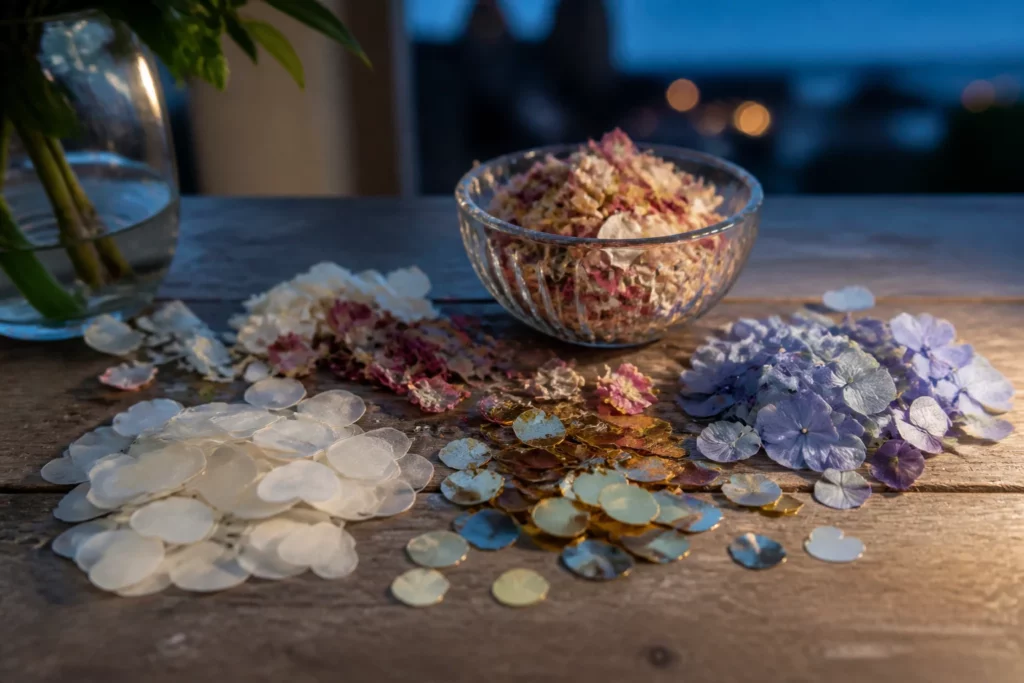
The best biodegradable confetti options are those made from natural, plant-based materials that break down completely without leaving harmful residues. These include dried flower petals, real leaves, rice paper, and even birdseed. For instance, rose petals offer a classic aesthetic and decompose rapidly, typically within a few days to a week, depending on environmental conditions like moisture and temperature. Lavender buds provide a pleasant fragrance and are also fully compostable. Rice paper confetti, often used for its delicate appearance, dissolves quickly upon contact with water, making it an excellent choice for outdoor events where rain might occur. Birdseed, while not traditional confetti, is a popular alternative that provides a treat for local wildlife, ensuring zero waste. Choosing these materials helps event organizers and individuals celebrate responsibly, minimizing environmental impact and adhering to ‘leave no trace’ principles, which are increasingly important for venues and public spaces as of 2024.
CHOOSING THE RIGHT BIODEGRADABLE CONFETTI FOR YOUR EVENT
Selecting the appropriate biodegradable confetti involves considering several factors beyond just its eco-friendliness. Event type, venue regulations, and desired aesthetic all play a crucial role. For instance, an indoor wedding might benefit from the delicate flutter of rice paper or dried flower petals, which are easy to sweep up. Conversely, an outdoor festival or parade might require something more robust, like larger dried leaves or even custom-cut wood shavings, which can withstand wind better and still decompose naturally.
Venue policies are paramount. Many parks, beaches, and historic sites have strict rules against non-biodegradable materials, and some even specify which natural materials are acceptable. Always consult with the venue management well in advance to avoid fines or last-minute changes. For example, a national park might permit only locally sourced, native plant materials to prevent the introduction of non-native species, while a private garden venue might be more lenient, allowing a wider range of dried flowers. Understanding these nuances ensures your celebration remains both beautiful and compliant.
CONSIDERATIONS FOR DISPERSAL AND CLEANUP
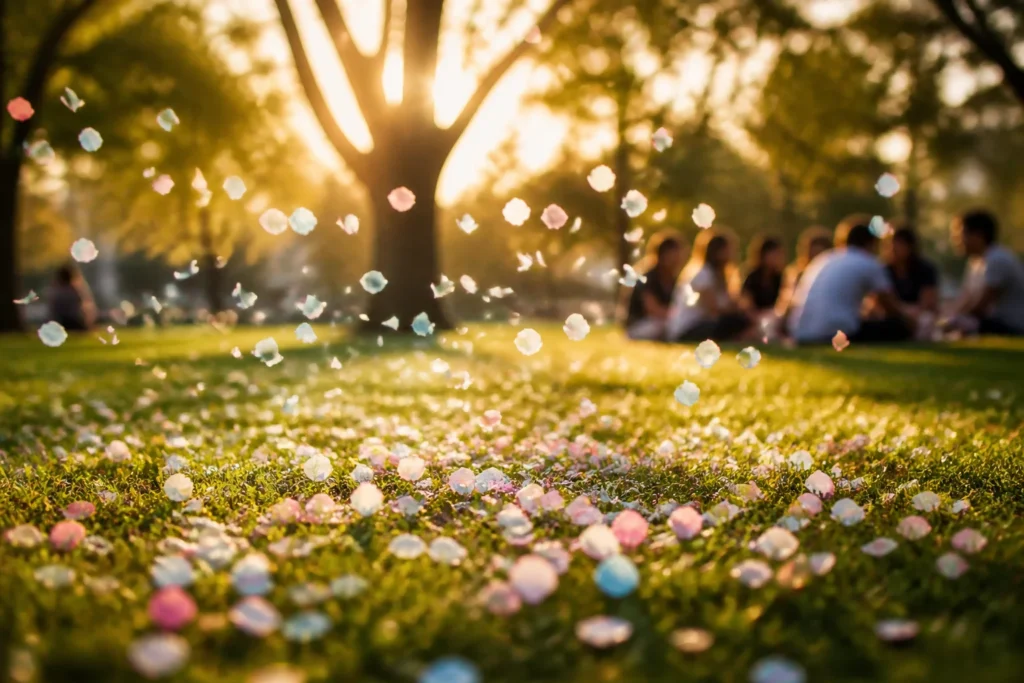
The method of confetti dispersal also influences the best choice. Hand-tossing is common for petals and smaller pieces, offering a gentle cascade. For larger areas or more dramatic effects, confetti cannons designed for biodegradable materials can be used, though these often require specific sizes and weights of confetti to function effectively. When using cannons, ensure the material is dry and free-flowing to prevent clogs.
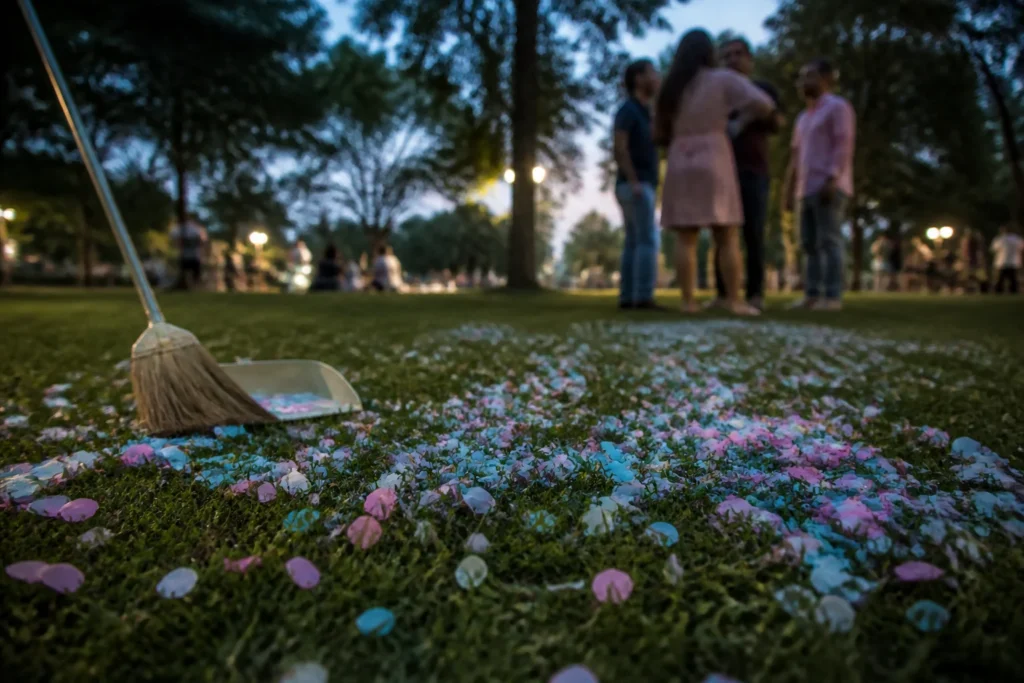
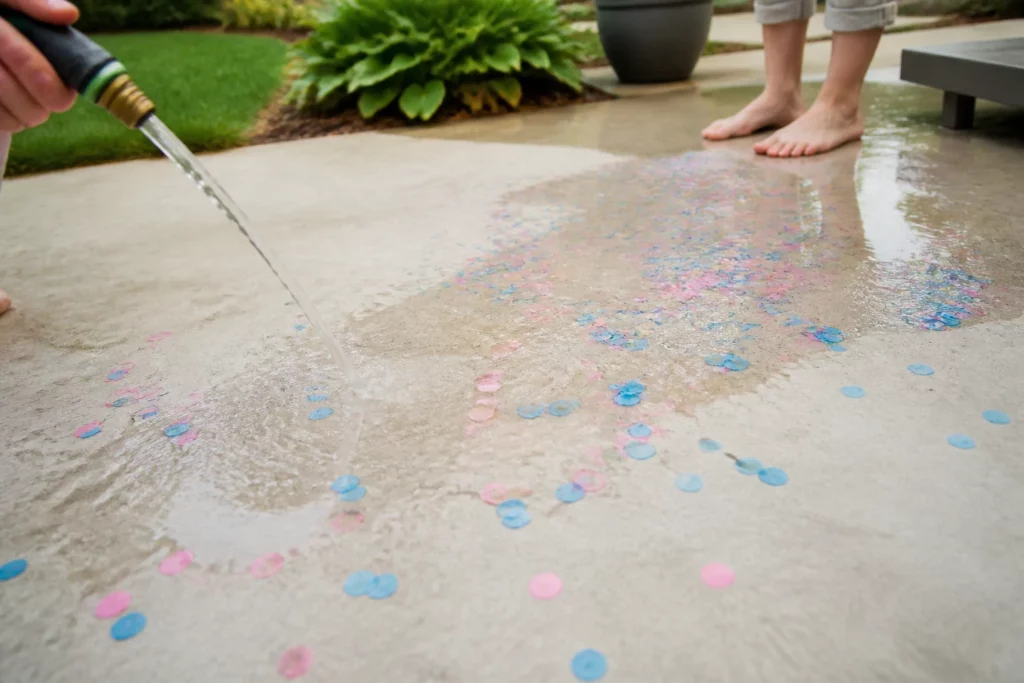
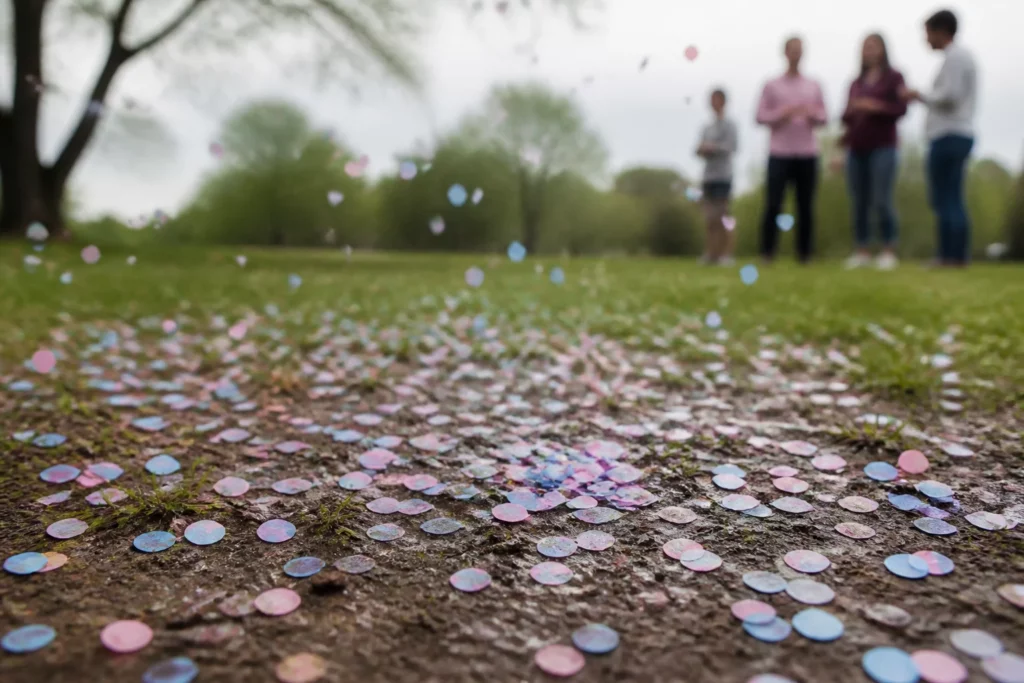
Cleanup, or the lack thereof, is a key benefit of biodegradable options. While the goal is for materials to decompose naturally, immediate cleanup might still be necessary in certain situations. For example, if an event is held on a paved surface, even biodegradable confetti might need to be swept up to prevent it from washing into storm drains before it has a chance to break down. Materials like rice paper dissolve quickly with moisture, making them ideal for areas where rain is expected or hosing down is an option. Dried leaves and petals, while natural, can still create a temporary mess that some venues might require immediate removal of, especially in high-traffic areas.
DIY BIODEGRADABLE CONFETTI OPTIONS
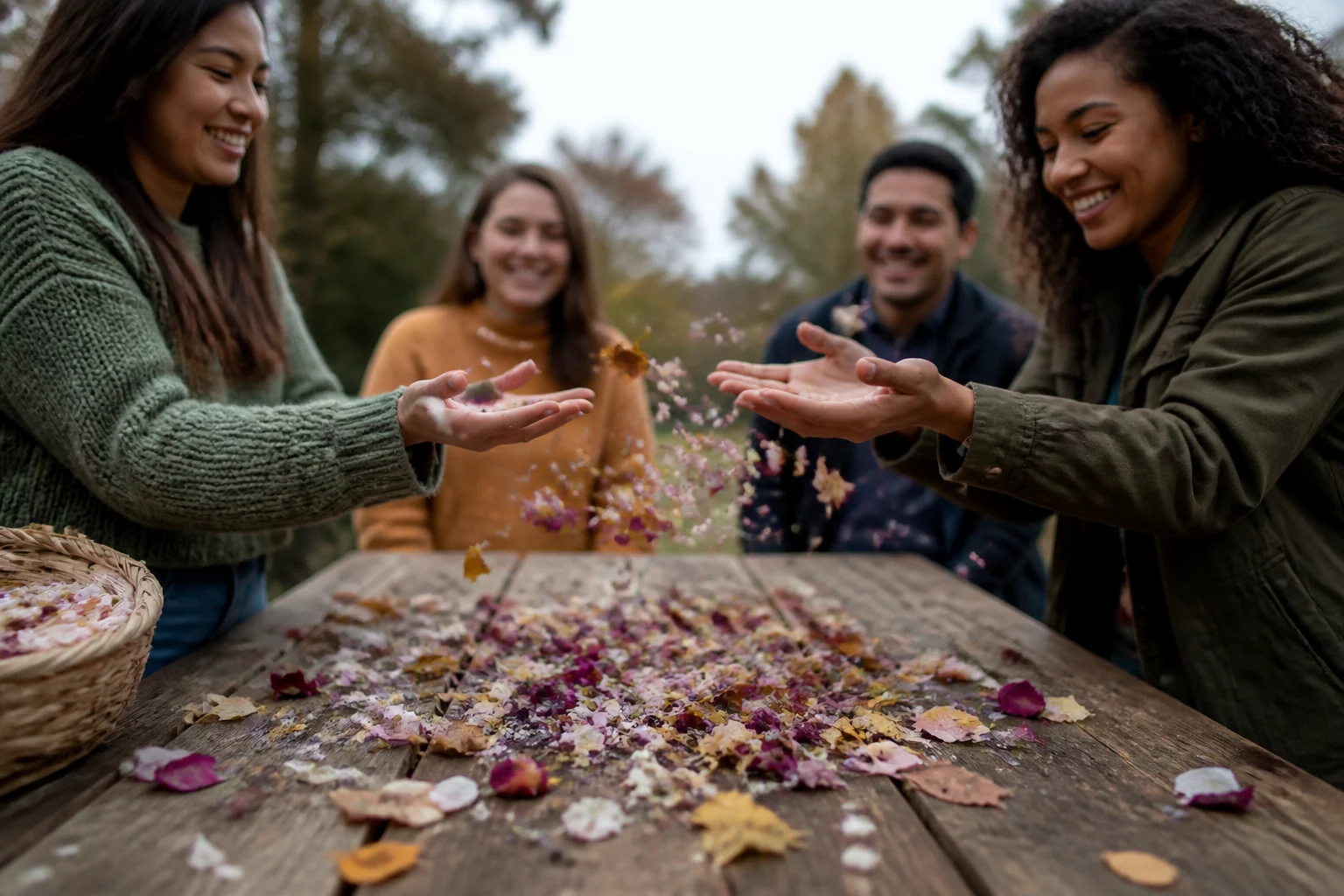
Creating your own biodegradable confetti is a cost-effective and highly customizable option. One popular method involves collecting and drying flower petals from your garden or local florists. Roses, hydrangeas, and delphiniums are excellent choices due to their vibrant colors and sturdy structure. Simply spread the petals on a tray in a cool, dry place away from direct sunlight, or use a food dehydrator on a low setting until they are completely dry and crisp. Store them in airtight containers until your event to prevent moisture absorption.
Another creative DIY approach uses real leaves. Collect fallen leaves in various shapes and colors, such as maple, oak, or birch. Press them flat between heavy books for a few days to a week until they are dry. Once dry, use a standard hole punch or decorative craft punches to create unique shapes. This method not only repurposes natural materials but also allows for seasonal themes, such as vibrant reds and oranges for an autumn event. Ensure the leaves are thoroughly dry to prevent mold and to ensure they flutter effectively when tossed.
Another simple yet effective DIY option involves using a standard paper shredder with plain, undyed paper. While not as “natural” as leaves or petals, shredded paper made from recycled content is still a better choice than plastic confetti. For a truly unique touch, consider using a decorative hole punch on thin, dried fruit slices, such as oranges or apples. These not only look beautiful but also offer a subtle, natural scent as they decompose. Always ensure any DIY materials are completely dry to prevent mold and to ensure they disperse effectively without clumping. This approach allows for full creative control over colors, shapes, and textures, making your event truly personal while upholding environmental responsibility.
Embracing Sustainable Celebrations with Biodegradable Confetti Options
The shift towards sustainable event planning is more than a trend; it’s a growing imperative, with many venues and municipalities implementing stricter environmental guidelines as of 2024. Choosing biodegradable confetti is a simple yet impactful way to align your celebration with these values. Beyond the immediate aesthetic appeal, the long-term benefits of using materials that return to the earth without harm are significant. For instance, a study on event waste management indicated that non-biodegradable confetti can persist in ecosystems for hundreds of years, contributing to microplastic pollution in soil and water systems. By opting for natural alternatives, event organizers actively reduce this burden, protecting local flora and fauna.
Consider the broader ecological footprint of your event. Every decision, from catering to decorations, contributes to the overall environmental impact. Biodegradable confetti, such as those made from real flower petals or rice paper, offers a guilt-free way to add joy and spectacle. These materials typically break down within weeks, or even days, under natural conditions, contrasting sharply with plastic confetti which can take centuries. For example, a typical outdoor wedding might use several pounds of confetti; if this were plastic, it would represent a substantial, lasting pollutant. Switching to natural options ensures that the beauty of the moment doesn’t come at the expense of the environment, reflecting a deeper commitment to responsible celebration that resonates with guests and communities alike.
Planning for a Greener Tomorrow
As event planning continues to evolve, incorporating sustainable practices like using biodegradable confetti becomes increasingly vital. This not only meets current environmental standards but also sets a precedent for future events. When sourcing your confetti, whether purchasing or making it yourself, prioritize materials that are locally available or ethically produced to further minimize your carbon footprint. For instance, supporting local flower farms for dried petals reduces transportation emissions. Furthermore, educating your guests about the biodegradable nature of the confetti can enhance their appreciation for your efforts and encourage them to adopt similar practices in their own lives. This collective awareness is crucial for fostering a culture of environmental stewardship within the event industry and beyond.
Making Your Event Memorable and Eco-Conscious
Choosing biodegradable confetti is a powerful statement about your commitment to the planet, ensuring your special moments leave only beautiful memories, not environmental damage. It’s an easy switch that offers significant ecological benefits, aligning your celebrations with a sustainable future. Whether you opt for the vibrant hues of dried petals, the delicate charm of rice paper, or the rustic appeal of punched leaves, you’re making a choice that respects nature.
Bottom Line: The best biodegradable confetti options are natural, plant-based materials like dried flower petals, rice paper, and leaves, which decompose quickly and completely without harming the environment, allowing for responsible and beautiful celebrations.
Frequently Asked Questions
How long does biodegradable confetti take to decompose?
Most biodegradable confetti, such as dried flower petals or rice paper, decomposes rapidly, typically within a few days to a few weeks. The exact time depends on environmental factors like moisture, temperature, and the specific material used.
Is birdseed considered biodegradable confetti?
Yes, birdseed is an excellent biodegradable alternative to traditional confetti. It provides a treat for local wildlife, ensuring zero waste and leaving no harmful residues, making it a popular choice for outdoor events.
Can I make my own biodegradable confetti?
Absolutely. Popular DIY methods include drying flower petals from your garden or using a hole punch on dried leaves. Ensure all materials are completely dry to prevent mold and ensure proper dispersal.
Are there any venues that prohibit biodegradable confetti?
While many venues encourage biodegradable options, some, especially national parks or historic sites, may have specific restrictions on certain natural materials to prevent the introduction of non-native species or to minimize any temporary mess. Always check with venue management beforehand.
Related Articles