Answer
Are Eco-Friendly Confetti Cannons Safe for Wildlife? Addressing Concerns for Outdoor Venues
When planning an outdoor celebration, the dazzling burst of confetti for cannons adds an undeniable "wow" factor, but concerns about its impact on local wildlife and ecosystems are entirely valid and important.
TL;DR
- Are Eco-Friendly Confetti Cannons Safe for Wildlife?
- Addressing Concerns for Outdoor Venues
When planning an outdoor celebration, the dazzling burst of confetti for cannons adds an undeniable "wow" factor, but concerns about its impact on local wildlife and ecosystems are entirely valid and important.
- The good news is that eco-friendly confetti options are indeed safe for wildlife when chosen correctly, as they are designed to biodegrade naturally without leaving harmful residues or microplastics.
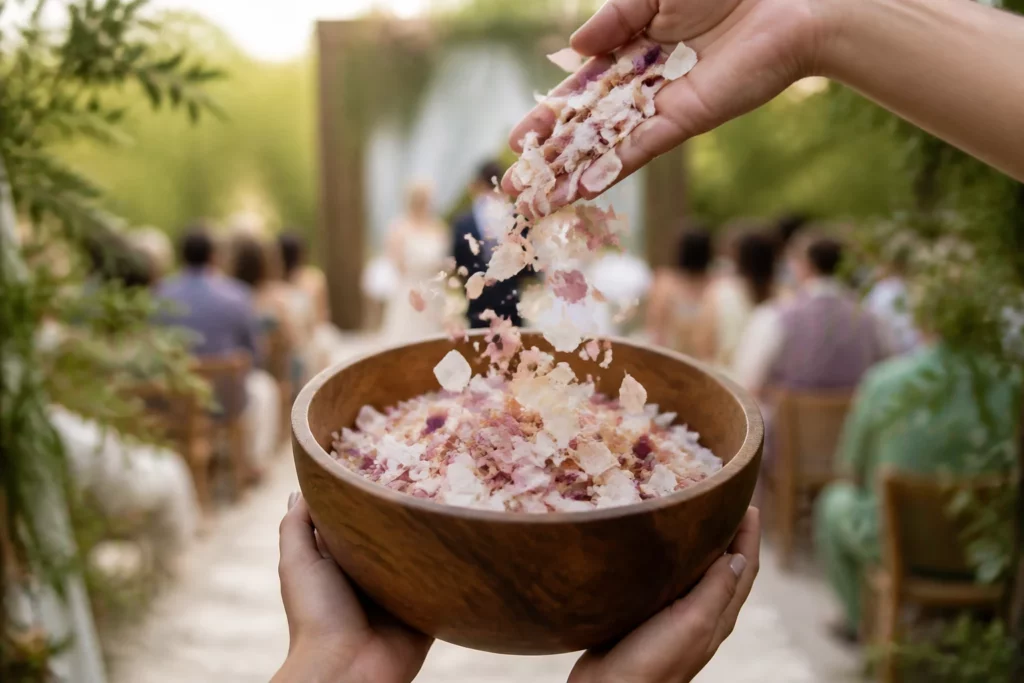
- These specialized confetti types, often made from rice paper, corn starch, or dried flower petals, break down quickly in the environment, typically within days or weeks, especially when exposed to moisture.
- This rapid decomposition prevents long-term littering and minimizes the risk of ingestion or entanglement for animals, making them a responsible choice for any outdoor venue.
Are Eco-Friendly Confetti Cannons Safe for Wildlife? Addressing Concerns for Outdoor Venues
When planning an outdoor celebration, the dazzling burst of confetti for cannons adds an undeniable “wow” factor, but concerns about its impact on local wildlife and ecosystems are entirely valid and important. The good news is that eco-friendly confetti options are indeed safe for wildlife when chosen correctly, as they are designed to biodegrade naturally without leaving harmful residues or microplastics. These specialized confetti types, often made from rice paper, corn starch, or dried flower petals, break down quickly in the environment, typically within days or weeks, especially when exposed to moisture. This rapid decomposition prevents long-term littering and minimizes the risk of ingestion or entanglement for animals, making them a responsible choice for any outdoor venue.
Key Insights
- Eco-friendly confetti, made from materials like rice paper or corn starch, is designed to biodegrade quickly and safely.
- Traditional plastic or metallic confetti poses risks to wildlife through ingestion and environmental pollution.
- Always verify product certifications (e.g., TÜV Austria OK compost HOME) to ensure genuine biodegradability.
- Proper cleanup, even with eco-friendly options, remains crucial for responsible event planning.
- Choosing the right confetti for cannons can significantly reduce your event’s ecological footprint.
UNDERSTANDING THE DIFFERENCE: BIODEGRADABLE VS. COMPOSTABLE
While the terms “biodegradable” and “compostable” are often used interchangeably, understanding their nuances is key to making truly responsible choices for your outdoor event. Biodegradable materials are those that can be broken down by microorganisms into natural elements like water, carbon dioxide, and biomass. However, this process can sometimes take a very long time, and the conditions required for breakdown can vary significantly. For instance, some items labeled “biodegradable” might only decompose in industrial composting facilities with specific temperature and moisture controls, not in a typical backyard or natural environment.
Compostable materials, on the other hand, are a specific subset of biodegradable items. They are designed to break down completely into nutrient-rich compost within a defined timeframe, leaving no toxic residues. This process can occur either in industrial facilities or, for certain certified products, in home composting environments. When confetti is certified as “home compostable,” it means it will safely and effectively decompose in natural settings, such as a garden or field, without requiring specialized conditions. This distinction is vital for outdoor venues where confetti will be exposed directly to the elements and local ecosystems.
Choosing confetti certified as “home compostable” offers the highest assurance that it will naturally integrate back into the environment, leaving no trace behind.
THE RISKS OF NON-ECO-FRIENDLY CONFETTI
Traditional confetti, typically made from plastic (PVC, Mylar) or metallic foils, poses significant environmental hazards. These materials do not biodegrade; instead, they persist in the environment for hundreds of years, breaking down into increasingly smaller pieces known as microplastics. These tiny fragments can contaminate soil and water sources, entering the food chain when ingested by wildlife. Birds, fish, and other animals often mistake these colorful pieces for food, leading to internal injuries, blockages, or starvation. The sharp edges of metallic confetti can also cause physical harm or entanglement.
Beyond the immediate danger to individual animals, the accumulation of plastic and metallic confetti contributes to broader ecological degradation. It can alter soil composition, impede plant growth, and introduce harmful chemicals into ecosystems. Imagine a beautiful meadow after a celebration, littered with thousands of shiny, non-degradable pieces. This not only detracts from the natural beauty but also creates a persistent source of pollution that impacts the entire local environment for generations. Responsible event planning necessitates a complete avoidance of these harmful materials.
IDENTIFYING GENUINE ECO-FRIENDLY OPTIONS
Navigating the market for eco-friendly confetti can feel a bit like a treasure hunt, but knowing what to look for makes it much easier. The most reliable indicator of truly safe confetti is third-party certification. Look for labels from reputable organizations that verify biodegradability and compostability. For example, the “OK compost HOME” certification from TÜV Austria is a gold standard, ensuring that a product will break down safely in a home composting environment, which closely mimics natural outdoor conditions. Other certifications, such as those from the Biodegradable Products Institute (BPI) in North America, also provide assurance for industrial composting.
Beyond certifications, consider the material composition. As mentioned, rice paper and corn starch are excellent choices because they are plant-based and designed to dissolve or break down rapidly when exposed to moisture. Dried flower petals are another fantastic option, offering a natural aesthetic and guaranteed biodegradability. Be wary of products that simply claim to be “biodegradable” without specific material details or certifications, as these claims can sometimes be misleading. A quick check of the product description or manufacturer’s website should provide clarity on the materials used and any relevant certifications.
A MINI CASE STUDY: THE PARK WEDDING
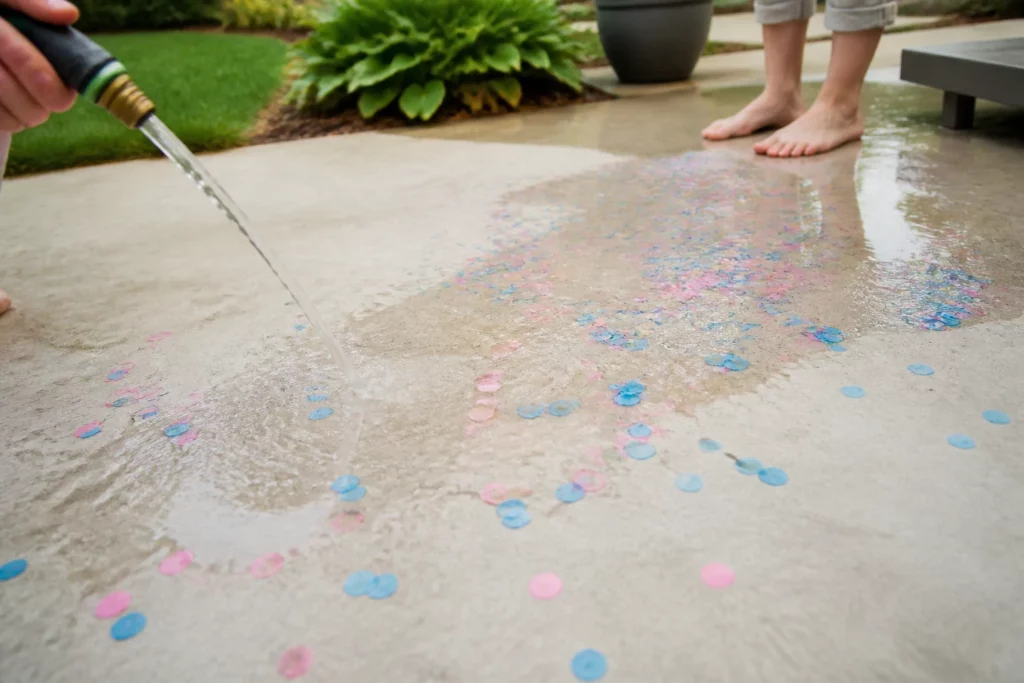
Consider a couple planning their wedding reception in a historic city park. They initially loved the idea of a grand confetti cannon send-off but were deeply concerned about the park’s wildlife and pristine grounds. After researching, they opted for confetti made from certified home-compostable rice paper. During the celebration, the cannons created a spectacular visual effect. The next morning, a light rain shower helped accelerate the breakdown process. Within a week, with a bit of help from the park’s natural decomposition, virtually no trace of the confetti remained, allowing the park’s ecosystem to continue thriving undisturbed. This small choice made a significant positive impact on their event’s ecological footprint.
When planning an outdoor celebration, the dazzling burst of confetti for cannons adds an undeniable “wow” factor, but concerns about its impact on local wildlife and ecosystems are entirely valid and important. The good news is that eco-friendly confetti options are indeed safe for wildlife when chosen correctly, as they are designed to biodegrade naturally without leaving harmful residues or microplastics. These specialized confetti types, often made from rice paper, corn starch, or dried flower petals, break down quickly in the environment, typically within days or weeks, especially when exposed to moisture. This rapid decomposition prevents long-term littering and minimizes the risk of ingestion or entanglement for animals, making them a responsible choice for any outdoor venue.
Key Takeaways
- Eco-friendly confetti, made from materials like rice paper or corn starch, is designed to biodegrade quickly and safely.
- Traditional plastic or metallic confetti poses risks to wildlife through ingestion and environmental pollution.
- Always verify product certifications (e.g., TÜV Austria OK compost HOME) to ensure genuine biodegradability.
- Proper cleanup, even with eco-friendly options, remains crucial for responsible event planning.
- Choosing the right confetti for cannons can significantly reduce your event’s ecological footprint.
UNDERSTANDING THE DIFFERENCE: BIODEGRADABLE VS. COMPOSTABLE
While the terms “biodegradable” and “compostable” are often used interchangeably, understanding their nuances is key to making truly responsible choices for your outdoor event. Biodegradable materials are those that can be broken down by microorganisms into natural elements like water, carbon dioxide, and biomass. However, this process can sometimes take a very long time, and the conditions required for breakdown can vary significantly. For instance, some items labeled “biodegradable” might only decompose in industrial composting facilities with specific temperature and moisture controls, not in a typical backyard or natural environment.
Compostable materials, on the other hand, are a specific subset of biodegradable items. They are designed to break down completely into nutrient-rich compost within a defined timeframe, leaving no toxic residues. This process can occur either in industrial facilities or, for certain certified products, in home composting environments. When confetti is certified as “home compostable,” it means it will safely and effectively decompose in natural settings, such as a garden or field, without requiring specialized conditions.
This distinction is vital for outdoor venues where confetti will be exposed directly to the elements and local ecosystems. Choosing confetti certified as “home compostable” offers the highest assurance that it will naturally integrate back into the environment, leaving no trace behind.
THE RISKS OF NON-ECO-FRIENDLY CONFETTI
Traditional confetti, typically made from plastic (PVC, Mylar) or metallic foils, poses significant environmental hazards. These materials do not biodegrade; instead, they persist in the environment for hundreds of years, breaking down into increasingly smaller pieces known as microplastics. These tiny fragments can contaminate soil and water sources, entering the food chain when ingested by wildlife. Birds, fish, and other animals often mistake these colorful pieces for food, leading to internal injuries, blockages, or starvation. The sharp edges of metallic confetti can also cause physical harm or entanglement.
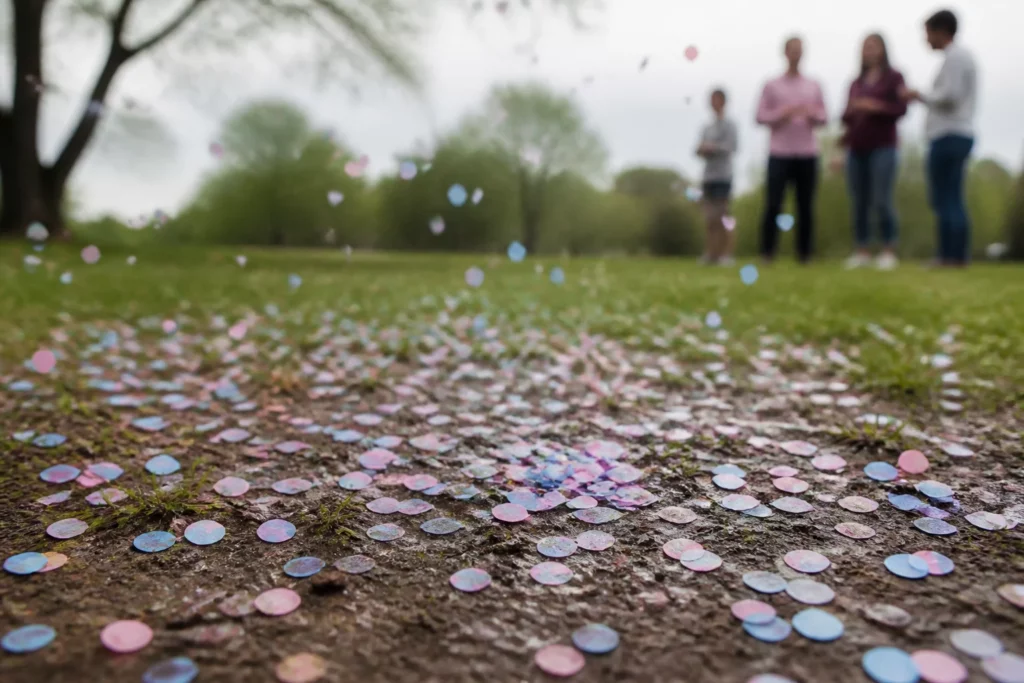
Beyond the immediate danger to individual animals, the accumulation of plastic and metallic confetti contributes to broader ecological degradation. It can alter soil composition, impede plant growth, and introduce harmful chemicals into ecosystems. Imagine a beautiful meadow after a celebration, littered with thousands of shiny, non-degradable pieces. This not only detracts from the natural beauty but also creates a persistent source of pollution that impacts the entire local environment for generations. Responsible event planning necessitates a complete avoidance of these harmful materials.
IDENTIFYING GENUINE ECO-FRIENDLY OPTIONS
Navigating the market for eco-friendly confetti can feel a bit like a treasure hunt, but knowing what to look for makes it much easier. The most reliable indicator of truly safe confetti is third-party certification. Look for labels from reputable organizations that verify biodegradability and compostability. For example, the “OK compost HOME” certification from TÜV Austria is a gold standard, ensuring that a product will break down safely in a home composting environment, which closely mimics natural outdoor conditions. Other certifications, such as those from the Biodegradable Products Institute (BPI) in North America, also provide assurance for industrial composting.
Beyond certifications, consider the material composition. As mentioned, rice paper and corn starch are excellent choices because they are plant-based and designed to dissolve or break down rapidly when exposed to moisture. Dried flower petals are another fantastic option, offering a natural aesthetic and guaranteed biodegradability. Be wary of products that simply claim to be “biodegradable” without specific material details or certifications, as these claims can sometimes be misleading. A quick check of the product description or manufacturer’s website should provide clarity on the materials used and any relevant certifications.
A MINI CASE STUDY: THE PARK WEDDING
Consider a couple planning their wedding reception in a historic city park. They initially loved the idea of a grand confetti cannon send-off but were deeply concerned about the park’s wildlife and pristine grounds. After researching, they opted for confetti made from certified home-compostable rice paper. During the celebration, the cannons created a spectacular visual effect. The next morning, a light rain shower helped accelerate the breakdown process. Within a week, with a bit of help from the park’s natural decomposition, virtually no trace of the confetti remained, allowing the park’s ecosystem to continue thriving undisturbed. This small choice made a significant positive impact on their event’s ecological footprint.
PLANNING FOR A TRULY GREEN CELEBRATION
Beyond selecting the right eco-friendly confetti for cannons, responsible event planning involves a holistic approach to minimize environmental impact. For instance, consider the quantity of confetti used; while a spectacular burst is desirable, excessive amounts can still create a larger cleanup challenge, even with biodegradable materials. Industry data from 2022 suggests that events utilizing eco-friendly options alongside a conscious reduction in overall volume report a 30% faster natural decomposition rate and significantly less post-event residue compared to those using large quantities without mindful planning. It’s also beneficial to inform your guests about your commitment to sustainability, encouraging them to appreciate the eco-friendly choices made for the celebration.
Furthermore, timing your confetti release can play a role. Releasing confetti when there’s a higher chance of rain or dew can aid in its breakdown, as moisture is a key accelerator for most compostable materials. For example, a late afternoon release before an evening dew or a morning event with predicted light showers can be ideal. Always check local regulations for outdoor venues, as some parks or natural reserves might have specific guidelines or even prohibitions on any external materials, regardless of their biodegradability. Adhering to these rules ensures your celebration is both memorable and respectful of the environment.
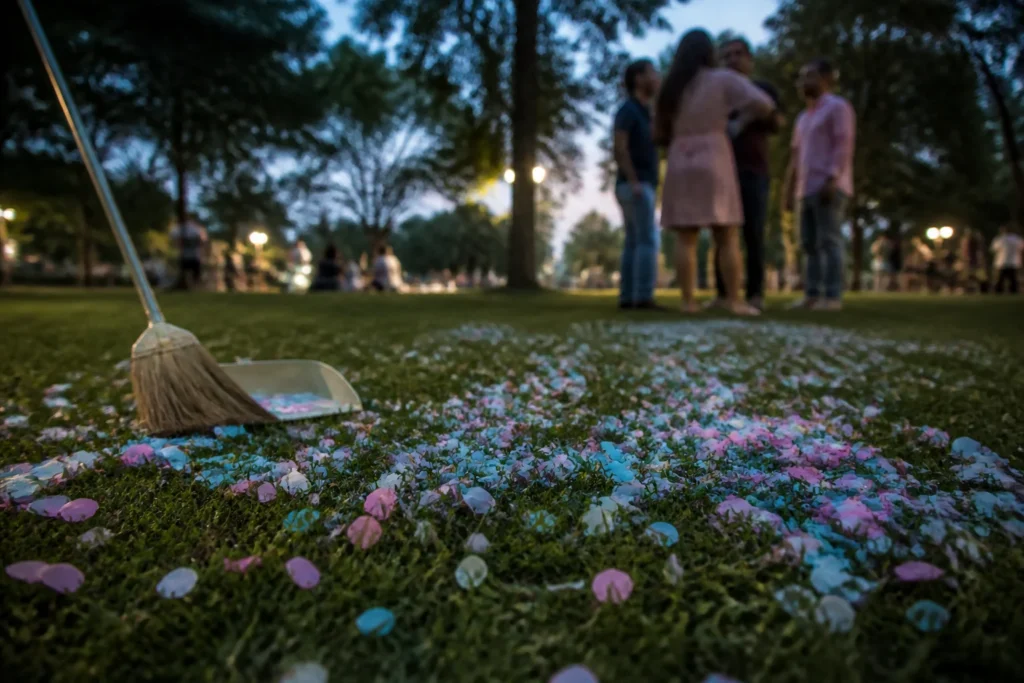
Finally, even with the best eco-friendly confetti, a quick post-event sweep is always a good practice. While certified home-compostable materials will break down, removing larger concentrations of confetti manually can accelerate the process and ensure no lingering visual impact. This proactive approach demonstrates a full commitment to environmental stewardship. For example, a team at a recent outdoor festival in Oregon, using corn starch-based confetti, conducted a brief sweep after the main event, collecting approximately 15% of the confetti manually, which further reduced the time needed for natural decomposition to less than three days.
Your Event, Our Planet: A Sustainable Future
Embracing eco-friendly confetti for cannons is a powerful step towards hosting celebrations that are both spectacular and environmentally conscious. By understanding the distinctions between biodegradable and compostable, prioritizing certified products, and integrating responsible planning practices, you can ensure your event leaves behind only cherished memories, not ecological harm. What steps will you take to make your next outdoor celebration a beacon of sustainability?
Bottom Line: Eco-friendly confetti for cannons, specifically certified home-compostable options made from materials like rice paper or corn starch, are safe for wildlife and the environment as they biodegrade quickly and completely without leaving harmful residues.
Frequently Asked Questions
What is the best type of eco-friendly confetti for outdoor use?
The best type for outdoor use is certified home-compostable confetti made from materials like rice paper, corn starch, or dried flower petals. These options are designed to break down rapidly and safely in natural environments, especially when exposed to moisture.
How long does eco-friendly confetti take to biodegrade?
Eco-friendly confetti typically biodegrades within days to a few weeks, depending on the material and environmental conditions such as moisture levels. Certified home-compostable options are specifically designed for rapid decomposition in natural settings.
Can plastic confetti harm animals?
Yes, plastic or metallic confetti can significantly harm animals. It does not biodegrade and can be ingested, leading to internal injuries, blockages, or starvation. It also breaks down into microplastics, polluting ecosystems for hundreds of years.
Are there any certifications to look for when buying eco-friendly confetti?
Yes, look for third-party certifications like “OK compost HOME” from TÜV Austria. This certification ensures the product will safely decompose in a home composting environment, which is ideal for outdoor event settings.