AnswerConfetti Etiquette: When and Where to Use It
Confetti! It's synonymous with celebrations, adding a burst of color and joy to any event.
TL;DR
- Confetti Etiquette: When and Where to Use It
Confetti!
- It's synonymous with celebrations, adding a burst of color and joy to any event.
- But before you grab a handful and let it fly, it's worth considering the etiquette surrounding its use.
- From biodegradable options to venue restrictions, navigating the world of confetti can be trickier than it seems.
- Let's dive into the do's and don'ts to ensure your confetti moment is picture-perfect and planet-friendly.
Confetti Etiquette: When and Where to Use It
Confetti! It’s synonymous with celebrations, adding a burst of color and joy to any event. But before you grab a handful and let it fly, it’s worth considering the etiquette surrounding its use. From biodegradable options to venue restrictions, navigating the world of confetti can be trickier than it seems. Let’s dive into the do’s and don’ts to ensure your confetti moment is picture-perfect and planet-friendly.
Navigating the World of Party Confetti
The allure of party confetti is undeniable. It transforms ordinary spaces into festive wonderlands, instantly elevating the mood. Think of a wedding reception where shimmering gold confetti rains down as the newlyweds share their first dance, or a graduation party punctuated by a vibrant explosion of school colors. These are the moments that become cherished memories, forever linked to the visual spectacle of confetti. However, the key to a successful confetti moment lies in thoughtful planning and execution. It’s not just about the visual impact; it’s about considering the environmental impact, the venue’s rules, and the comfort of your guests. A little foresight can make all the difference between a magical moment and a messy mishap.
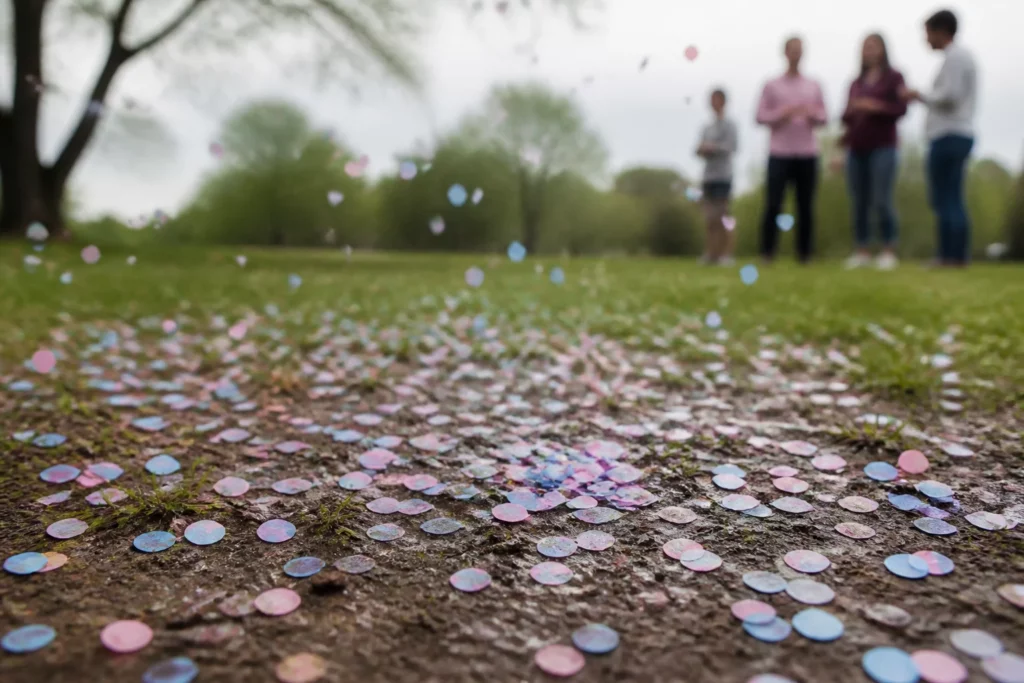
One crucial aspect often overlooked is the type of confetti used. Traditional plastic confetti, while readily available and inexpensive, poses a significant threat to the environment. It can take hundreds of years to decompose, contributing to plastic pollution and harming wildlife. Opting for biodegradable confetti, made from materials like rice paper or dried flower petals, is a much more sustainable choice. These eco-friendly alternatives break down naturally, minimizing their impact on the planet. Many vendors now offer a wide range of biodegradable confetti options, in various colors, shapes, and sizes, making it easier than ever to celebrate responsibly. For example, consider the rise in popularity of seed paper confetti, which not only decomposes but also sprouts into wildflowers, leaving behind a lasting reminder of the celebration.
Venue restrictions are another critical factor to consider. Many venues, particularly those located outdoors or in environmentally sensitive areas, have strict rules regarding confetti use. Some may prohibit it altogether, while others may allow only biodegradable options. It’s always best to check with the venue beforehand to avoid any surprises or penalties. Ignoring these rules can result in hefty fines or even the cancellation of your event. Furthermore, even if a venue allows confetti, they may have specific guidelines regarding cleanup. Some venues may require you to hire a professional cleaning service, while others may expect you to handle the cleanup yourself. Be sure to factor these costs and responsibilities into your event planning to ensure a smooth and stress-free experience. Always prioritize open communication with the venue to understand their policies and expectations.
Confetti Cleanup Considerations
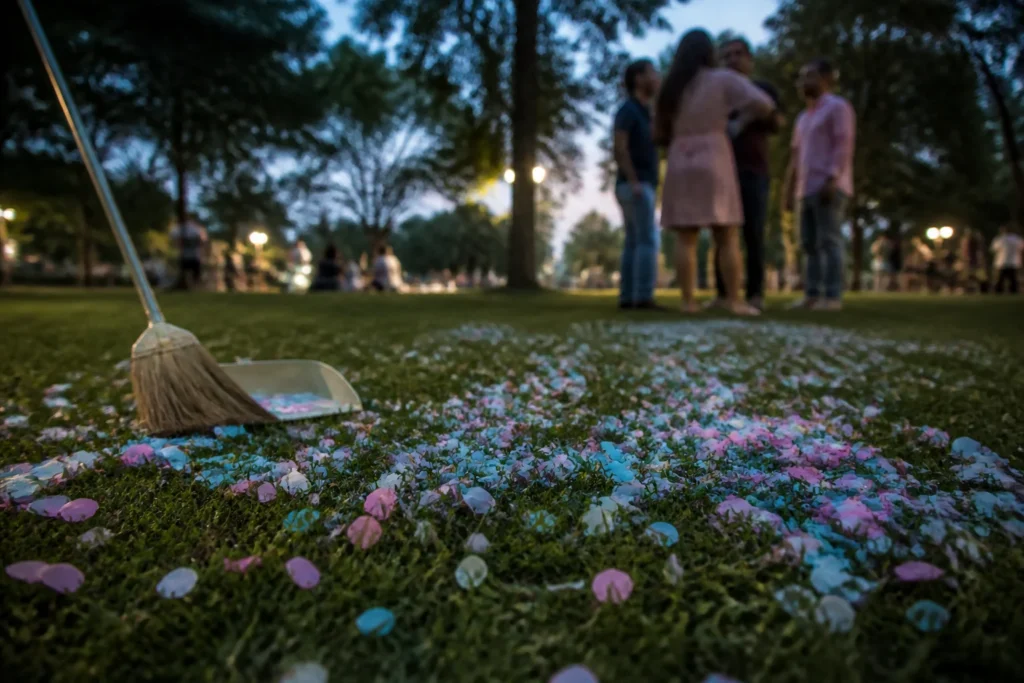
The aftermath of a confetti shower can sometimes feel like a daunting task. Cleaning up party confetti, especially after a large event, requires a strategic approach and the right tools. Imagine a New Year’s Eve celebration in Times Square, where tons of confetti are released into the air. The cleanup operation involves hundreds of sanitation workers, specialized equipment, and meticulous planning to restore the area to its pre-celebration state. While your event may not be on such a grand scale, the principles of efficient confetti cleanup remain the same: preparation, teamwork, and the right equipment. Failing to plan for cleanup can lead to lingering messes, disgruntled venue staff, and potential environmental concerns. A proactive approach ensures a swift and thorough restoration of the event space.
One of the most effective ways to simplify confetti cleanup is to designate a cleanup crew. Enlist the help of friends, family, or volunteers to tackle the task together. Divide the area into smaller sections and assign each team to a specific zone. Provide them with the necessary tools, such as brooms, dustpans, vacuum cleaners, and trash bags. A collaborative effort not only speeds up the process but also makes it more enjoyable. Consider turning it into a fun post-event activity, complete with music and refreshments. Remember, many hands make light work, and a well-organized cleanup crew can transform a seemingly overwhelming task into a manageable one. This approach also fosters a sense of responsibility and community among your guests.
The type of surface also plays a significant role in determining the best cleanup method. Hard surfaces, such as floors and sidewalks, can be easily swept or vacuumed. However, carpets and upholstery require more specialized attention. A vacuum cleaner with a brush attachment is ideal for removing confetti from carpets, while a lint roller can be used to pick up stray pieces from upholstery. For outdoor spaces, a leaf blower can be used to gather confetti into piles for easy disposal. In some cases, a power washer may be necessary to remove stubborn confetti residue from concrete or asphalt. Always test cleaning products on a small, inconspicuous area first to ensure they don’t damage the surface. Choosing the right tools and techniques for each surface will ensure a thorough and effective cleanup.
Case Study: The Eco-Conscious Wedding
Sarah and Mark wanted a fairytale wedding, complete with a magical confetti moment. However, they were deeply committed to sustainability and wanted to minimize their environmental impact. They chose biodegradable confetti made from dried flower petals, sourced from a local organic farm. They also worked closely with their venue to develop a comprehensive cleanup plan. After the confetti toss, their wedding party and several volunteers quickly swept up the petals, composting them afterwards. The venue staff was impressed by their proactive approach, and Sarah and Mark were able to enjoy their special day knowing they had celebrated responsibly.
Confetti Alternatives and Creative Uses
While confetti is a classic choice, there are many creative and eco-friendly alternatives that can add a unique touch to your celebration. Consider bubbles, for instance. They create a whimsical and ethereal atmosphere, especially when illuminated by sunlight or soft lighting. Bubble machines are readily available and can produce a continuous stream of bubbles, eliminating the need for individual bubble wands. Another option is ribbon wands, which are perfect for adding movement and color to photos and videos. These wands can be customized with ribbons in your event’s colors and are a safe and reusable alternative to confetti. For a more natural touch, consider using dried leaves or herbs. These options are biodegradable and can add a rustic charm to your celebration.
“We wanted something different for our wedding exit,” says Emily, a recent bride. “Instead of confetti, we used lavender buds. The scent was amazing, and it looked beautiful in the photos. Plus, it was completely biodegradable!”
Another increasingly popular option is using laser lights to create stunning visual effects. Laser light shows can be customized to match your event’s theme and can project intricate patterns and designs onto walls or ceilings. These shows are particularly effective in dimly lit venues and can create a truly unforgettable experience. For daytime events, consider using colorful streamers or banners. These decorations can be hung from trees, buildings, or tents, adding a festive touch to the surroundings. Streamers and banners are also reusable, making them a sustainable choice.
Here’s a quick comparison of some popular confetti alternatives:
| Alternative |
Pros |
Cons |
| Bubbles |
Whimsical, fun, relatively inexpensive |
Can be messy, may require a bubble machine |
| Ribbon Wands |
Reusable, customizable, safe |
May require some DIY effort |
| Dried Leaves/Herbs |
Biodegradable, natural, fragrant |
May not be suitable for all venues |
| Laser Lights |
Stunning visual effects, customizable |
Can be expensive, requires a dark venue |
| Streamers/Banners |
Reusable, colorful, versatile |
May require some setup |
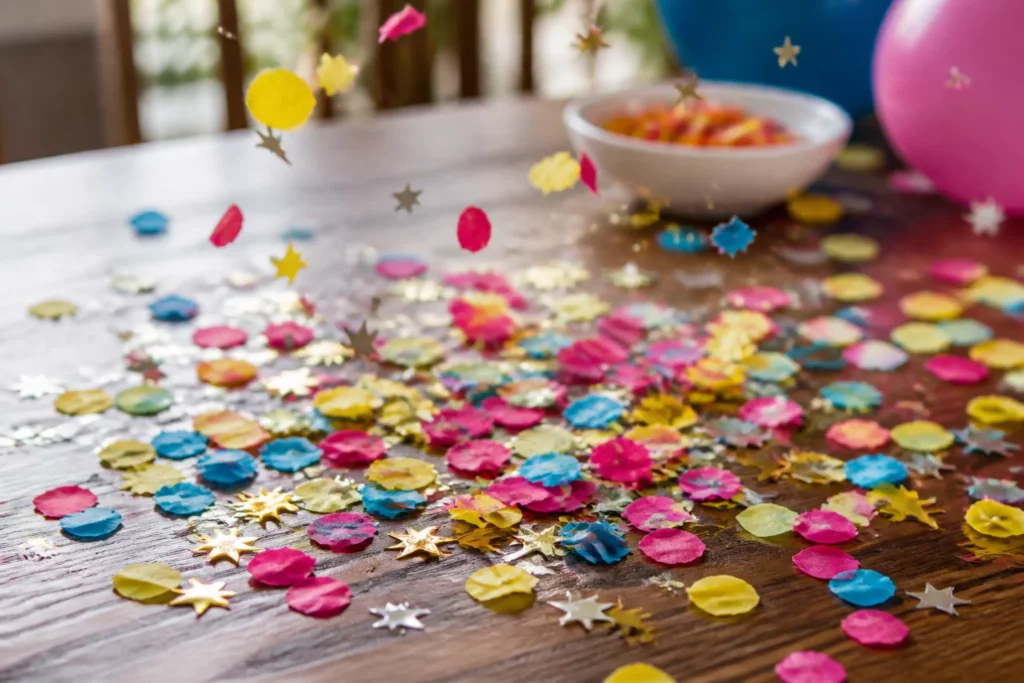
Beyond simply tossing confetti, there are other creative ways to incorporate it into your event. Consider using it as table decorations, scattering it around centerpieces or using it to fill clear vases. You can also create confetti-filled balloons, which can be popped at a designated moment for a burst of color. Another idea is to use confetti to create a custom backdrop for photos. Simply attach a sheet of fabric or paper to a wall and glue confetti onto it in a pattern or design. These creative uses can add a unique and personalized touch to your celebration.
Confetti and Photography: Capturing the Moment
Capturing the perfect confetti moment requires careful planning and coordination with your photographer. The timing of the confetti toss is crucial. Work with your photographer to identify the best time to release the confetti, taking into account the lighting, background, and overall composition of the shot. For example, a confetti toss during the golden hour (the hour after sunrise or before sunset) can create a warm and magical effect. Similarly, a confetti toss against a neutral background will help the colors of the confetti stand out.
Communication with your photographer is key. Discuss your vision for the confetti moment and ask for their advice on how to achieve the best results. They may suggest specific angles, poses, or lighting techniques. It’s also important to inform your guests about the confetti toss beforehand so they can be prepared. Let them know when and where to throw the confetti, and encourage them to throw it high in the air for maximum impact.
Here are a few tips for capturing stunning confetti photos:
- Choose the right confetti: Opt for confetti in colors that complement your event’s theme and that will stand out in photos. Metallic confetti can add a touch of sparkle, while brightly colored confetti can create a vibrant and playful effect.
- Consider the lighting: Natural light is always best for photography, but if your event is indoors, make sure the venue is well-lit. Avoid using harsh fluorescent lighting, which can cast unflattering shadows.
- Coordinate with your photographer: Discuss your vision for the confetti moment and ask for their advice on how to achieve the best results.
- Inform your guests: Let them know when and where to throw the confetti, and encourage them to throw it high in the air.
- Take multiple shots: Confetti tosses are unpredictable, so take plenty of photos to ensure you capture the perfect moment.
The use of biodegradable materials is also important for photography. Traditional plastic confetti can create unwanted glare and reflections in photos, while biodegradable confetti tends to have a more natural and pleasing appearance. Furthermore, using biodegradable confetti ensures that your confetti moment is not only beautiful but also environmentally responsible. This aligns with the growing trend of eco-conscious celebrations and demonstrates a commitment to sustainability.
Consider the impact of wind on your confetti photos. A slight breeze can add movement and dynamism to the shot, but strong winds can scatter the confetti and make it difficult to control. If you’re planning an outdoor confetti toss, check the weather forecast beforehand and be prepared to adjust your plans if necessary. You might need to find a sheltered location or postpone the confetti toss until the wind dies down.
The key is to plan ahead, communicate effectively, and be prepared to adapt to changing conditions. With a little foresight, you can capture a confetti moment that is both visually stunning and environmentally responsible. This ensures that your celebration is not only memorable but also aligned with your values. Using seed paper confetti is a great way to ensure that your celebration is both beautiful and environmentally responsible.
Addressing Common Confetti Concerns
Despite its celebratory nature, confetti can sometimes raise concerns among guests or venue staff. Some people may be sensitive to certain materials, such as glitter or dyes, while others may be worried about the mess it creates. Addressing these concerns proactively can help ensure a smooth and enjoyable experience for everyone.
One common concern is allergies. If you have guests with known allergies, be sure to choose confetti made from hypoallergenic materials. Avoid confetti that contains glitter, dyes, or other potential allergens. You can also provide guests with information about the confetti’s ingredients so they can make informed decisions about their participation. Another concern is the potential for confetti to get into food or drinks. To prevent this, avoid tossing confetti near food service areas or open beverages. You can also provide guests with covered cups or straws to minimize the risk of contamination.
The mess associated with confetti is another frequent concern. As mentioned earlier, proper cleanup is essential. However, you can also minimize the mess by using confetti sparingly and by designating specific areas for the confetti toss. Providing guests with small bags or containers to collect confetti after the toss can also help keep the area tidy.
Finally, be mindful of cultural sensitivities. In some cultures, confetti may be associated with specific traditions or events. Be sure to research the cultural significance of confetti in your area and avoid using it in a way that could be considered disrespectful or offensive. By addressing these common concerns proactively, you can ensure that your confetti moment is a positive and inclusive experience for everyone.
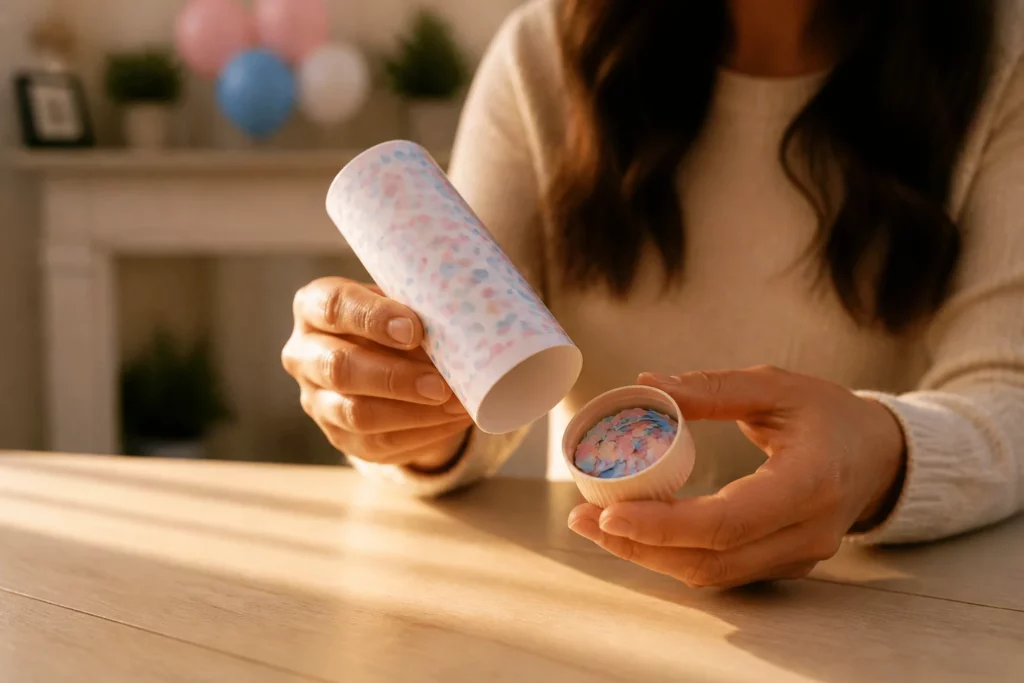
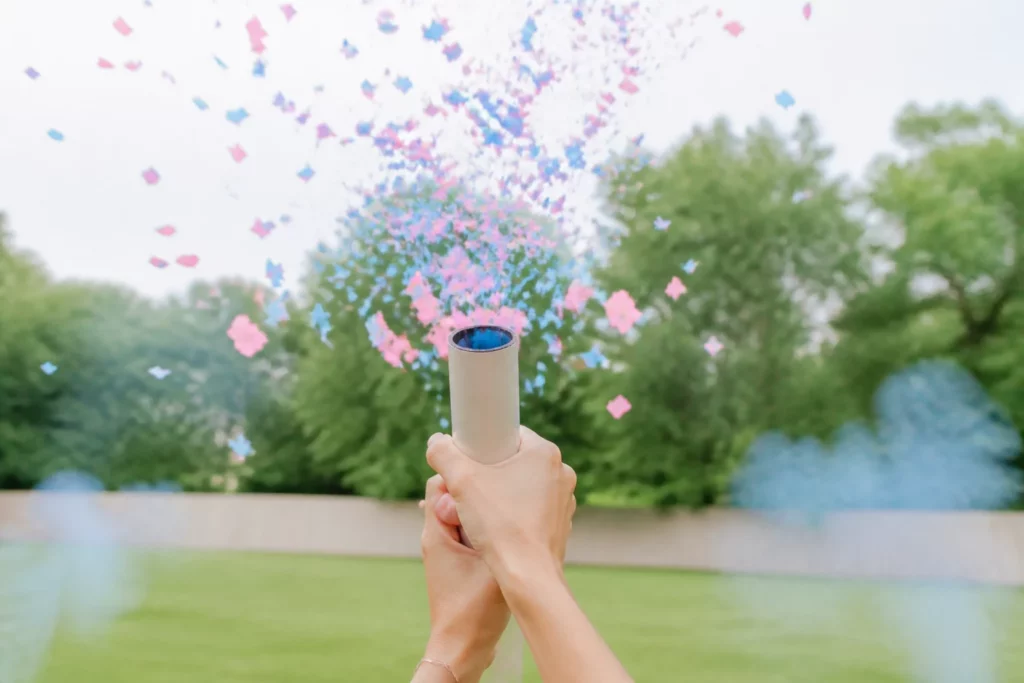
The use of party poppers can be a great alternative to throwing loose confetti, as they contain the mess in a contained explosion.
Navigating Party Confetti Choices Responsibly
The environmental impact of different confetti types is a significant consideration. Traditional plastic confetti, often made from PVC, is non-biodegradable and can persist in the environment for hundreds of years, contributing to plastic pollution. This type of confetti can end up in waterways, harming aquatic life, or breaking down into microplastics, which can contaminate soil and water sources. Biodegradable confetti, on the other hand, is made from materials that naturally decompose, such as paper, rice paper, or dried flower petals. While biodegradable confetti is a more eco-friendly option, it’s still important to ensure that it is disposed of properly. Composting biodegradable confetti can further reduce its environmental impact, returning it to the soil as a valuable nutrient. Always check the specific composition of biodegradable confetti to ensure it is truly compostable and free from harmful chemicals.
Consider the visual impact of different confetti colors and materials. Metallic confetti, while visually appealing, can be particularly problematic for the environment. The metallic coating often contains heavy metals that can leach into the soil and water. Dark-colored confetti can also stain surfaces, especially if it gets wet. Light-colored, natural confetti, such as dried flower petals or rice paper, is less likely to cause staining and blends more seamlessly with the environment. When choosing confetti, think about the overall aesthetic of your event and select options that are both visually appealing and environmentally responsible. Remember that the goal is to create a memorable celebration without leaving a lasting negative impact on the planet.
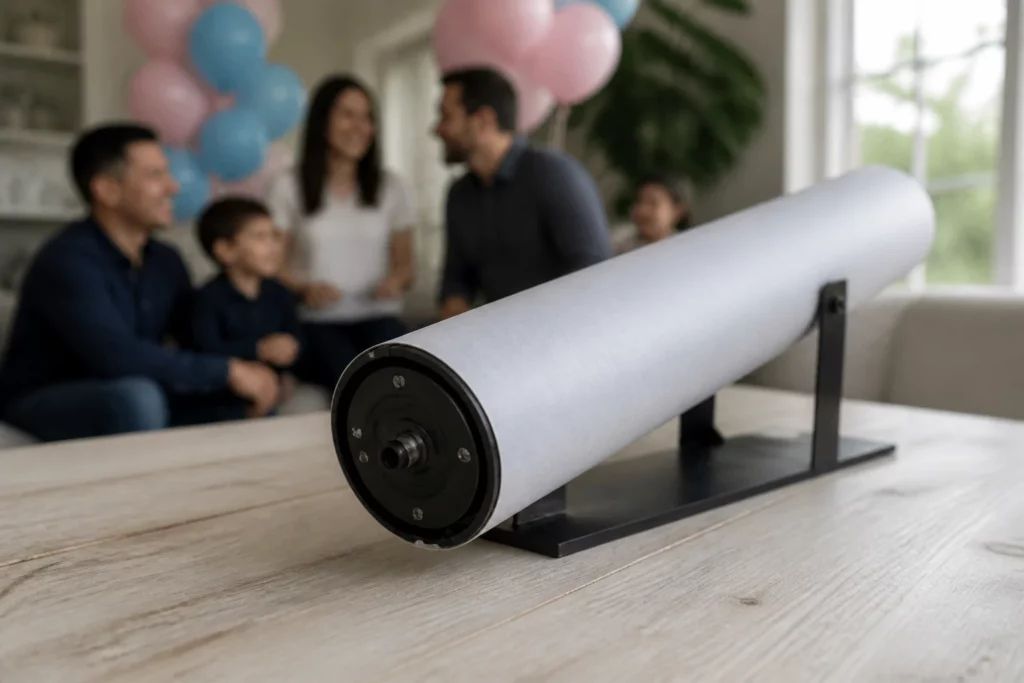
The use of confetti cannons adds another layer of complexity to the equation. While confetti cannons can create a dramatic and exciting effect, they also generate a significant amount of waste. The cannons themselves are often made of plastic or cardboard and may not be recyclable. The compressed air or gas used to launch the confetti can also contribute to air pollution. If you choose to use confetti cannons, be sure to dispose of them properly and consider using cannons that are refillable or made from recycled materials. Explore alternatives like reusable air cannons that can be loaded with biodegradable confetti, minimizing both waste and environmental impact.
Making Your Celebration Sparkle Responsibly
Confetti etiquette extends beyond just the type of confetti used; it also encompasses the manner in which it is deployed. A sudden, unexpected confetti blast can startle guests, especially young children or individuals with sensory sensitivities. Announce the confetti toss beforehand, giving people time to prepare and move to a comfortable distance if needed. Consider designating a specific area for the confetti toss, away from food and drinks, to minimize the risk of contamination. This also helps to contain the mess and simplify cleanup. If you’re using confetti cannons, ensure that they are aimed away from people’s faces and eyes to prevent injury. Safety should always be a top priority when using confetti, regardless of the type or quantity.
The timing of the confetti toss is also crucial. Avoid tossing confetti during moments of silence or solemnity, such as during a wedding ceremony or a memorial service. Confetti is best suited for celebratory moments, such as the end of a performance, a graduation ceremony, or a New Year’s Eve countdown. Be mindful of the context and choose a time that is appropriate for the occasion. If you’re unsure, err on the side of caution and skip the confetti toss altogether. There are many other ways to celebrate and create a festive atmosphere without using confetti.
“We decided to use bubbles instead of confetti for our daughter’s birthday party,” says Maria, a mother of two. “It was a huge hit with the kids, and it was so much easier to clean up afterwards. Plus, it was a more environmentally friendly option.”
Consider the impact of confetti on wildlife. Birds and other animals can mistake confetti for food, leading to ingestion and potential health problems. Plastic confetti can be particularly harmful, as it can accumulate in their digestive systems and cause blockages. Even biodegradable confetti can pose a risk if it is not properly disposed of. Avoid using confetti in areas where wildlife is abundant, such as parks, forests, or beaches. If you must use confetti in these areas, be sure to clean it up thoroughly afterwards. Choose confetti made from natural materials that are less likely to harm wildlife, such as dried leaves or herbs.
Elevate Your Event: Dazzling Alternatives to Traditional Confetti
Choosing the right confetti alternative can significantly enhance your event while minimizing environmental impact. Consider the overall theme and atmosphere you want to create. For a whimsical and playful event, bubbles or ribbon wands are excellent choices. For a more sophisticated and elegant event, laser lights or dried flower petals may be more appropriate. The key is to select an alternative that complements your event’s style and reflects your values. Don’t be afraid to get creative and think outside the box. There are countless ways to celebrate and create a memorable experience without relying on traditional confetti.
Personalize your confetti alternative to make it even more special. For example, you could create custom ribbon wands with ribbons in your event’s colors or scents. You could also use dried flowers or herbs that have a special meaning to you or your guests. Another idea is to create a DIY bubble solution using natural ingredients, such as soap nuts or honey. By adding a personal touch, you can transform a simple confetti alternative into a unique and meaningful element of your celebration. This also demonstrates your commitment to sustainability and creativity.
Think about the practical aspects of your chosen confetti alternative. Will it be easy to clean up? Will it be safe for all of your guests? Will it be appropriate for the venue? Consider these factors carefully before making your final decision. For example, bubbles can be slippery on certain surfaces, so you may want to avoid using them indoors. Ribbon wands can be a tripping hazard if they are not used carefully. Laser lights can be harmful to the eyes if they are not used properly. By considering these practical aspects, you can ensure that your confetti alternative is both enjoyable and safe for everyone.
Confetti-Free Celebrations: A Guide to Responsible Festivities
We’ve explored the nuances of confetti etiquette, from choosing biodegradable options and considering venue restrictions to implementing effective cleanup strategies and embracing creative alternatives. We’ve also highlighted the importance of capturing stunning confetti photos while minimizing environmental impact and addressing common concerns.
Ready to plan a celebration that’s both memorable and mindful? By embracing the tips and insights shared, you can create a truly unforgettable event that reflects your values and leaves a positive impact on the world. What innovative ideas will you incorporate to make your next celebration shine responsibly?
Q: Is biodegradable confetti really biodegradable?
A: Yes, but it’s important to check the materials. Look for confetti made from paper, rice paper, or dried flower petals. Avoid confetti labeled “biodegradable” that contains plastic or other non-compostable materials.
Q: What’s the best way to clean up confetti?
A: For hard surfaces, sweep or vacuum. For carpets, use a vacuum cleaner with a brush attachment. For upholstery, use a lint roller. For outdoor spaces, a leaf blower can be helpful.
Q: Are there any venues that always prohibit confetti?
A: Yes, many outdoor venues, historical sites, and environmentally sensitive areas prohibit confetti of any kind to protect the environment and preserve the venue’s integrity.