AnswerConfetti and the Environment: Sustainable Choices
The joyous explosion of confetti is synonymous with celebrations, from weddings and graduations to New Year's Eve festivities. However, the environmental impact of traditional confetti, often made from plastic or metallic materials, is a growing concern.
Confetti and the Environment: Sustainable Choices
The joyous explosion of confetti is synonymous with celebrations, from weddings and graduations to New Year’s Eve festivities. However, the environmental impact of traditional confetti, often made from plastic or metallic materials, is a growing concern. This article explores the challenges posed by conventional confetti and delves into sustainable alternatives that allow us to celebrate responsibly, minimizing harm to our planet. We’ll examine biodegradable options, creative DIY solutions, and the role of event planners in promoting eco-friendly celebrations. Let’s explore how to keep the fun while protecting our environment.
The Environmental Impact of Party Confetti
Traditional party confetti, frequently composed of plastic polymers like PVC or Mylar, poses a significant threat to the environment due to its non-biodegradable nature. These materials can persist in ecosystems for decades, contributing to plastic pollution in oceans, rivers, and soil. Marine animals often mistake confetti for food, leading to ingestion and potential starvation. A study by the Ellen MacArthur Foundation estimated that by 2050, there could be more plastic than fish in the ocean by weight, a stark reminder of the urgent need to reduce plastic waste. Furthermore, the production of plastic confetti involves the consumption of fossil fuels and the release of greenhouse gases, exacerbating climate change. The glitter often mixed with confetti adds another layer of complexity, as these microplastics are easily dispersed and difficult to clean up, further contaminating ecosystems.
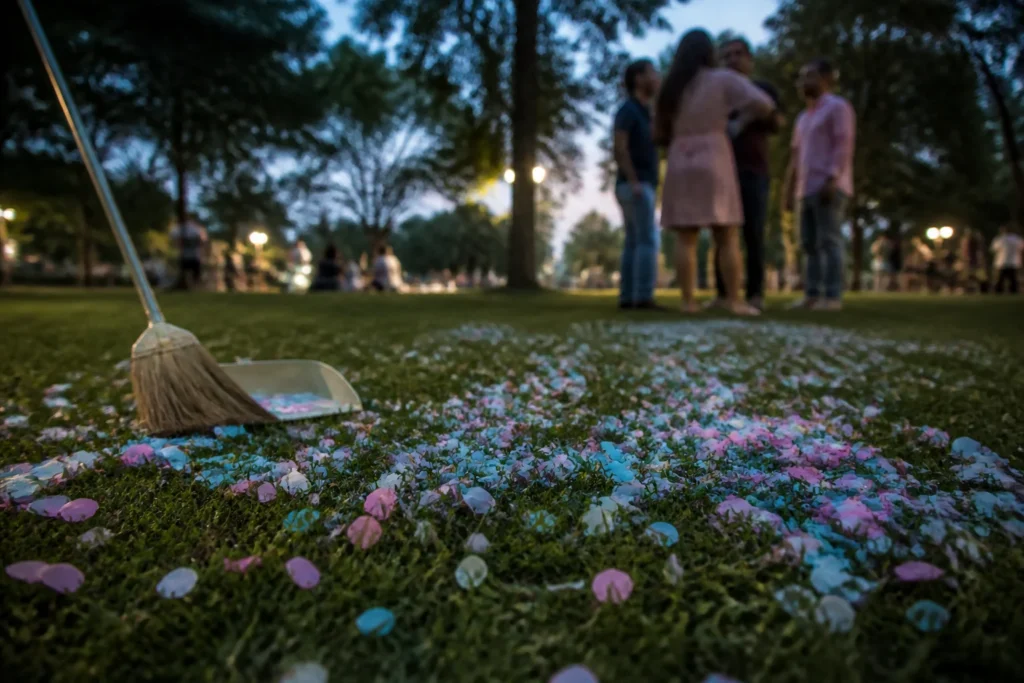
The impact extends beyond aquatic environments. When party confetti litters terrestrial landscapes, it can disrupt soil composition and hinder plant growth. Animals may ingest confetti particles, leading to digestive problems and potential toxicity. The visual pollution created by scattered confetti can also detract from the aesthetic value of natural areas and urban spaces. Consider the impact on public parks after a large celebration; the cleanup effort required to remove confetti is often extensive and costly, diverting resources from other essential environmental initiatives. Cities like San Francisco and Los Angeles have implemented stricter regulations on single-use plastics, including confetti, to mitigate these adverse effects. The cumulative impact of these seemingly small pieces of plastic adds up to a substantial environmental burden.
Moreover, the dyes and additives used to color traditional party confetti can leach into the environment, contaminating soil and water sources. These chemicals can have detrimental effects on wildlife and potentially pose risks to human health. For instance, some dyes contain heavy metals that can accumulate in ecosystems, leading to long-term contamination. The production and disposal of these materials also contribute to air pollution, further compounding the environmental impact. The lifecycle of traditional confetti, from its manufacturing to its eventual disposal, is fraught with environmental consequences, highlighting the need for more sustainable alternatives. The rise of eco-conscious consumers is driving demand for biodegradable and compostable options, prompting manufacturers to innovate and develop greener solutions.
Sustainable Confetti Alternatives
Fortunately, there are numerous eco-friendly alternatives to traditional plastic confetti that allow you to celebrate without harming the environment. These options range from biodegradable materials to creative DIY solutions, each offering a unique way to add a festive touch to your event while minimizing your ecological footprint. Embracing these alternatives is a step towards more sustainable celebrations and a healthier planet.
Biodegradable Confetti Options
Biodegradable confetti is designed to break down naturally over time, reducing its impact on the environment. Several materials are commonly used to create these eco-friendly alternatives:
- Rice Paper: Thin sheets of rice paper can be cut into various shapes and colors, providing a lightweight and biodegradable confetti option.
- Dried Flowers: Petals from dried flowers, such as roses, lavender, and calendula, offer a beautiful and fragrant alternative. They decompose naturally and add a touch of elegance to any celebration.
- Leaves: Small, dried leaves, especially those that are naturally colorful or can be dyed with plant-based dyes, make for a rustic and environmentally friendly option.
- Seed Paper: This innovative material is embedded with seeds that sprout when planted, turning confetti into wildflowers or herbs. It’s a delightful way to give back to the environment while celebrating.
When choosing biodegradable confetti, it’s essential to ensure that it is genuinely compostable and free from harmful dyes or additives. Look for certifications such as the OK compost HOME or DIN CERTCO to verify its biodegradability. Some products marketed as biodegradable may only break down under specific industrial composting conditions, which are not always readily available.
DIY Confetti Solutions
Creating your own confetti is a fun and sustainable way to personalize your celebrations. DIY confetti allows you to control the materials used and minimize waste. Here are some ideas for making your own eco-friendly confetti:
- Leaf Punching: Use a hole punch or craft scissors to create confetti from fallen leaves. Opt for colorful leaves or dye them with natural dyes like beet juice or turmeric.
- Herb Snippings: Gather small clippings from herbs like rosemary, thyme, or mint. These fragrant confetti pieces add a sensory element to your celebration and decompose quickly.
- Paper Scraps: Repurpose scrap paper from old books, magazines, or newspapers. Use a paper shredder or scissors to create small confetti pieces. Ensure that the paper is not glossy or heavily inked, as these can contain harmful chemicals.
- Edible Confetti: For a truly unique and eco-friendly option, consider making edible confetti from thinly sliced fruits or vegetables. Dehydrate the slices to create a crispy texture and use cookie cutters to create fun shapes.
When making DIY confetti, avoid using glitter, metallic materials, or plastic-coated paper, as these are not biodegradable and can harm the environment. Opt for natural dyes and materials whenever possible.
The Role of Event Planners
Event planners play a crucial role in promoting sustainable celebrations and reducing the environmental impact of confetti. By educating clients about eco-friendly alternatives and incorporating sustainable practices into their event planning services, they can help create memorable and responsible celebrations. Event planners can also work with vendors to source biodegradable confetti and other eco-friendly party supplies.
“We’ve made a conscious effort to offer only biodegradable confetti options to our clients,” says Sarah Miller, owner of Sustainable Celebrations, an event planning company specializing in eco-friendly weddings and parties. “We believe that it’s possible to have a beautiful and memorable event without harming the environment. Our clients appreciate the opportunity to celebrate responsibly.”
Event planners can also encourage clients to consider alternative ways to create a festive atmosphere without using confetti at all. For example, they can use lighting, decorations made from recycled materials, or interactive activities to create a celebratory mood. By thinking creatively and prioritizing sustainability, event planners can help clients create events that are both memorable and environmentally responsible.
Case Studies in Sustainable Celebrations
Several organizations and communities have successfully implemented sustainable practices to reduce the environmental impact of celebrations. These case studies demonstrate the feasibility and effectiveness of eco-friendly alternatives to traditional confetti.
Case Study: The City of Austin’s Zilker Park New Year’s Eve Celebration
The City of Austin, Texas, implemented a “Leave No Trace” policy for its annual New Year’s Eve celebration in Zilker Park. This included a ban on traditional confetti and encouraged attendees to use biodegradable alternatives or participate in a community cleanup effort after the event. The city also partnered with local businesses to provide recycling and composting services, further reducing the event’s environmental impact. As a result, the amount of litter left in the park after the celebration was significantly reduced, and the event became a model for sustainable celebrations.
Comparison of Confetti Types
| Confetti Type |
Material |
Biodegradability |
Environmental Impact |
Cost |
| Traditional Confetti |
Plastic (PVC, Mylar) |
Non-biodegradable |
High (Plastic pollution, harm to wildlife) |
Low |
| Rice Paper Confetti |
Rice Paper |
Biodegradable |
Low |
Medium |
| Dried Flower Confetti |
Dried Flower Petals |
Biodegradable |
Low |
Medium to High |
| Seed Paper Confetti |
Paper with embedded seeds |
Biodegradable |
Very Low (Promotes plant growth) |
High |
| DIY Leaf Confetti |
Dried Leaves |
Biodegradable |
Low |
Very Low |
Regulations and Policies Regarding Confetti Use
In response to growing concerns about plastic pollution, some cities and organizations have implemented regulations and policies regarding confetti use. These measures aim to reduce the environmental impact of celebrations and promote the use of sustainable alternatives. For example, some venues may prohibit the use of non-biodegradable confetti or require event organizers to clean up confetti after the event. Some municipalities have even banned the sale or distribution of plastic confetti altogether. These regulations are often part of broader efforts to reduce single-use plastics and promote waste reduction.
When planning an event, it’s essential to check local regulations and policies regarding confetti use. Many venues and public spaces have specific guidelines that must be followed. By complying with these regulations and choosing sustainable alternatives, you can help protect the environment and ensure that your celebration is responsible and respectful.
The rise of eco-conscious consumers is driving demand for biodegradable and compostable options, prompting manufacturers to innovate and develop greener solutions. The use of eco friendly confetti is becoming more widespread as awareness grows.