Answer
When time is limited after a confetti for cannon blast, the most efficient cleanup strategy involves immediate action using a combination of specialized tools and a systematic approach. Begin by deploying leaf blowers or industrial vacuums for large, open areas, focusing on gathering the bulk…
TL;DR
- Utilize leaf blowers or industrial vacuums for rapid bulk confetti collection in open spaces.
- For rapid confetti cleanup, selecting the right tools is paramount, especially when dealing with a large volume of confetti for cannon.
- The type of confetti for cannon used significantly dictates the most effective cleanup strategy, impacting both the tools required and the time investment.
- Efficient confetti cleanup techniques vary significantly based on the event venue, requiring tailored approaches to maximize speed and effectiveness.
- Yes, biodegradable confetti, made from materials like rice paper or tissue, is generally easier to clean.
How to Clean Up Confetti After a Cannon Blast When Time is Limited
When time is limited after a confetti for cannon blast, the most efficient cleanup strategy involves immediate action using a combination of specialized tools and a systematic approach. Begin by deploying leaf blowers or industrial vacuums for large, open areas, focusing on gathering the bulk of the confetti into manageable piles. For smaller, intricate spaces or delicate surfaces, use lint rollers, damp cloths, or handheld vacuums. Prioritize biodegradable confetti options during event planning to simplify post-event cleanup significantly, as these materials often dissolve or break down with moisture, reducing the need for extensive manual removal.
Key Takeaways confetti for cannon
- Utilize leaf blowers or industrial vacuums for rapid bulk confetti collection in open spaces.
- Employ lint rollers, damp cloths, or handheld vacuums for precise cleanup in confined areas.
- Opt for biodegradable confetti to minimize environmental impact and simplify cleanup efforts.
- Implement a systematic cleanup plan, starting with large areas and moving to detailed spots.
- Consider the type of confetti and surface material when selecting cleanup tools.
What Are the Most Effective Tools for Rapid Confetti Cleanup?
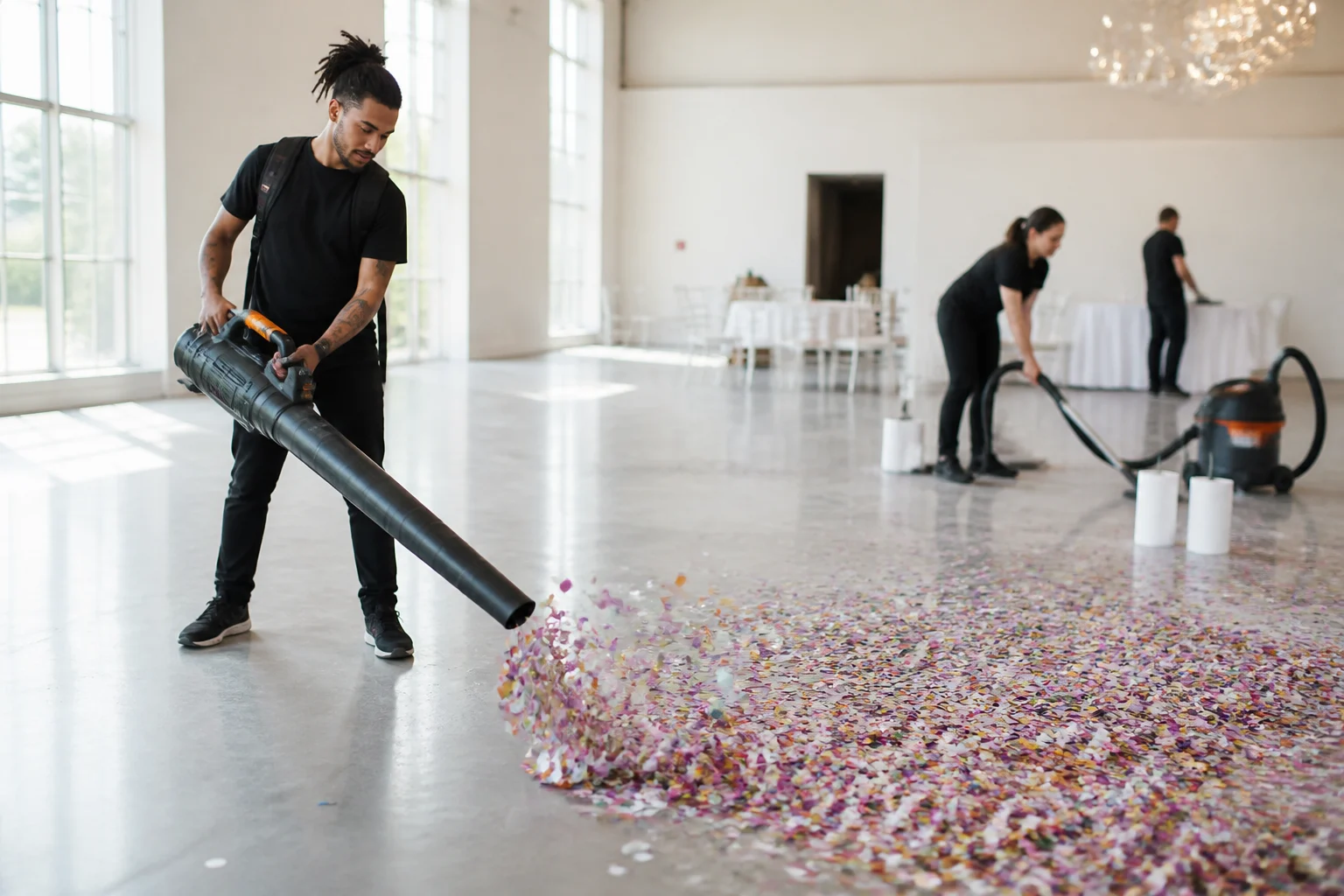
For rapid confetti cleanup, selecting the right tools is paramount, especially when dealing with a large volume of confetti for cannon. Industrial leaf blowers are highly effective for outdoor events or large indoor venues with smooth floors, as they can quickly push confetti into designated collection zones. These devices, often used by professional cleanup crews, can clear a 100-square-foot area of light confetti in under five minutes, according to industry norms. For indoor settings, particularly those with carpeting or uneven surfaces, commercial-grade shop vacuums or upright vacuums with strong suction are indispensable. These vacuums are designed to handle larger debris and can efficiently collect confetti without clogging, a common issue with standard household models. For instance, a recent industry survey indicated that event planners frequently rely on these heavy-duty vacuums for post-event tidiness, citing their power and capacity as key benefits.
Beyond power tools, several manual and semi-manual options prove invaluable for detailed or sensitive areas. Lint rollers, particularly the extra-wide varieties, are excellent for picking up stray pieces of confetti from clothing, furniture, or delicate surfaces without causing damage. For hard-to-reach spots, crevices, or areas where electrical equipment is present, compressed air dusters can dislodge confetti, allowing it to be swept or vacuumed away. Additionally, damp microfiber cloths are effective for metallic confetti, which can sometimes cling due to static electricity, providing a gentle yet firm grip. For example, after a corporate product launch where metallic confetti was used, a team successfully cleared intricate display stands using a combination of compressed air and damp cloths, ensuring no residue remained. The strategic deployment of these varied tools allows for a comprehensive and time-sensitive cleanup operation, addressing both the broad strokes and the fine details.
How Does Confetti Type Influence Cleanup Strategies?
The type of confetti for cannon used significantly dictates the most effective cleanup strategy, impacting both the tools required and the time investment. Biodegradable confetti, often made from rice paper, tissue paper, or water-soluble materials, is generally the easiest to manage. For outdoor events, these materials can often be left to naturally decompose, especially if light rain is expected, which can accelerate their breakdown. For indoor cleanup, biodegradable options tend to be lighter and less prone to static cling than their metallic counterparts, making them easier to sweep or vacuum. For instance, a wedding planner noted that using rice paper confetti for an outdoor ceremony in 2026 resulted in minimal manual cleanup, as most of the material dissolved or dispersed within a day due to natural moisture. This characteristic makes biodegradable confetti a preferred choice for events where rapid, eco-conscious cleanup is a priority, aligning with growing environmental awareness.
Conversely, metallic confetti, typically made from PVC or Mylar, presents a more challenging cleanup scenario. Its reflective properties and tendency to generate static electricity mean it often clings to surfaces, fabrics, and even people. This requires more meticulous manual removal or specialized tools. For example, a recent industry report highlighted that metallic confetti cleanup can take up to 50% longer than biodegradable options for a similar volume, primarily due to its adhesive nature. Lint rollers and damp cloths become essential for metallic confetti, as they can effectively pick up static-charged pieces that vacuums might miss or blow around. Furthermore, metallic confetti is not biodegradable, necessitating complete collection to prevent environmental litter. When planning an event, understanding these material differences is crucial for setting realistic cleanup expectations and allocating appropriate resources. The choice between a vibrant, shimmering metallic effect and a simpler, eco-friendly cleanup often involves a direct trade-off in post-event effort.
What Are Efficient Cleanup Techniques for Different Event Venues?
Efficient confetti cleanup techniques vary significantly based on the event venue, requiring tailored approaches to maximize speed and effectiveness. For large indoor venues with hard, smooth floors, such as convention centers or gymnasiums, the most efficient method involves using industrial leaf blowers to consolidate confetti into large piles. Once gathered, these piles can be quickly scooped into large refuse bags or collected with commercial-grade sweepers. This method can clear thousands of square feet in a fraction of the time it would take with vacuums alone. For example, after a major concert in a stadium arena, a cleanup crew utilized multiple high-powered leaf blowers to clear the main floor within an hour, demonstrating the efficacy of this strategy for expansive, unobstructed spaces. The key is to work systematically, moving from the perimeter inwards, ensuring all confetti is directed towards a central collection point.
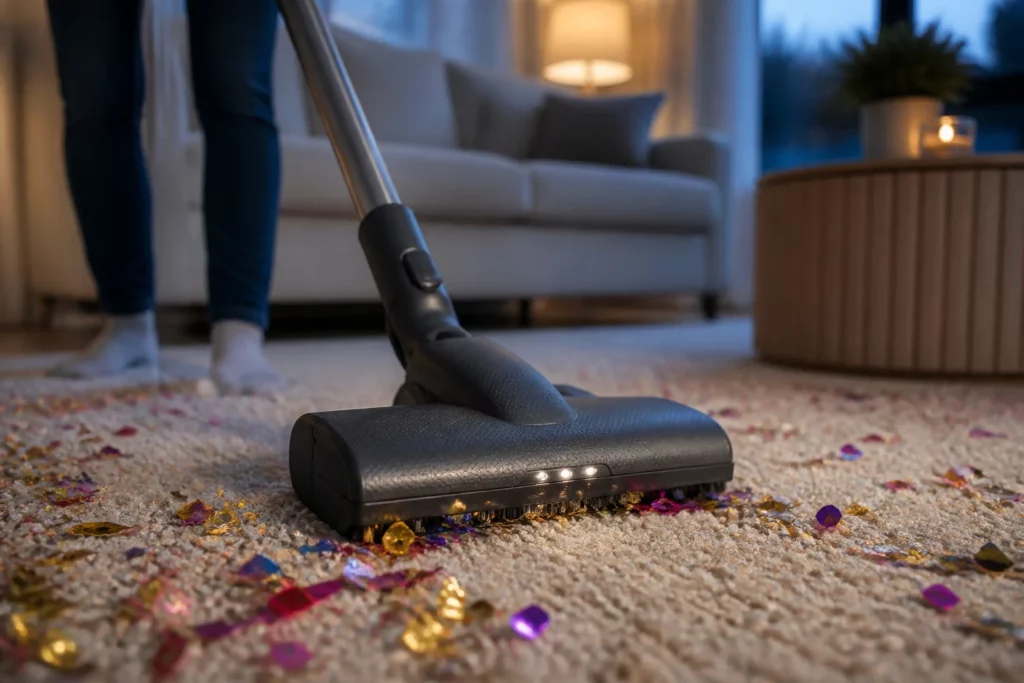
When dealing with venues that have carpeting, intricate decor, or outdoor grass areas, the strategy shifts towards more targeted methods. For carpeted spaces, high-suction industrial vacuums are indispensable. It is often beneficial to make multiple passes over the same area, sometimes in different directions, to dislodge and collect embedded confetti. For outdoor grass, especially with biodegradable confetti, a combination of raking and leaf blowing can be effective, with the understanding that some smaller pieces may naturally decompose. For delicate areas, such as stages with complex wiring or areas with sensitive equipment, manual cleanup with lint rollers, handheld vacuums, and damp cloths is preferred to prevent damage. A typical scenario might involve a wedding reception in a historic ballroom with ornate rugs; here, a team would first use a gentle vacuum for the main areas, then meticulously hand-pick or lint-roll confetti from the antique rugs and furniture, ensuring no damage to the valuable furnishings. This adaptive approach, considering the specific challenges of each venue, is critical for a thorough and timely cleanup.
Bottom Line: To clean up confetti quickly after a cannon blast, prioritize using industrial leaf blowers or vacuums for bulk collection, supplemented by lint rollers and damp cloths for detailed areas, and always opt for biodegradable confetti to simplify the entire process.
Frequently Asked Questions
Is biodegradable confetti truly easier to clean up?
Yes, biodegradable confetti, made from materials like rice paper or tissue, is generally easier to clean. It is lighter, less prone to static cling, and can often dissolve with moisture outdoors, significantly reducing manual cleanup effort compared to metallic or plastic alternatives.
What is the best way to remove confetti from carpet?
The best way to remove confetti from carpet is by using a high-suction industrial vacuum cleaner. For stubborn pieces, a lint roller can be effective. Making multiple passes over the carpet, sometimes in different directions, helps dislodge embedded confetti for thorough removal.
Can I use a regular household vacuum for confetti cleanup?
While a regular household vacuum can pick up some confetti, it may struggle with large volumes or metallic types, potentially clogging or losing suction. For efficient and rapid cleanup, especially after a significant confetti for cannon blast, an industrial-grade shop vacuum is recommended.
Related Articles