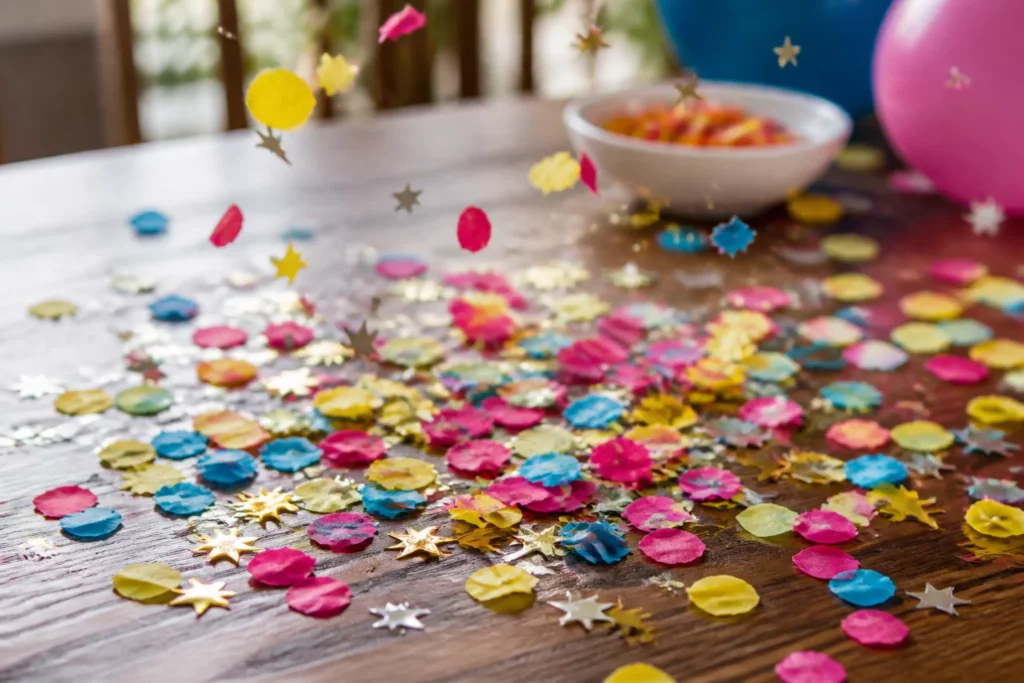
AnswerVenue Regulations: Confetti Policies to Know
Planning a celebration and dreaming of a shower of party confetti? Before you finalize your plans, it's crucial to understand the venue's regulations regarding confetti use.
Venue Regulations: Confetti Policies to Know
Planning a celebration and dreaming of a shower of party confetti? Before you finalize your plans, it’s crucial to understand the venue’s regulations regarding confetti use. What might seem like a harmless burst of color can sometimes lead to unexpected fines or cleanup fees. This guide will help you navigate the often-overlooked world of confetti policies, ensuring your event is both memorable and compliant.
Understanding Party Confetti Regulations
Navigating the world of venue regulations regarding party confetti can feel like deciphering a complex code. Policies vary widely, influenced by factors like the venue type (indoor vs. outdoor), local environmental regulations, and the venue’s own cleanup capabilities. For example, a historic ballroom might have strict rules to protect delicate flooring, while a beachfront property could be concerned about marine pollution. Some venues ban all types of confetti outright, while others permit certain varieties, such as biodegradable options, under specific conditions. Always check the fine print of your venue contract and don’t hesitate to ask for clarification on any ambiguous clauses. Ignoring these regulations can lead to hefty fines, deductions from your security deposit, or even the premature end of your event. Consider the experience of Sarah Miller, who planned a surprise birthday party for her husband at a rented loft space. She assumed that using a small amount of paper confetti would be acceptable, only to be slapped with a $500 cleaning fee because the venue had a strict “no paper products” policy due to previous issues with clogged drains.
One of the primary reasons venues implement strict party confetti policies is the cost and labor involved in cleanup. Traditional confetti, often made from plastic or non-biodegradable paper, can be incredibly difficult to remove, especially from carpets, upholstery, and outdoor spaces. It can get lodged in crevices, blown into neighboring properties, and even end up in waterways, contributing to pollution. Venues often need to hire specialized cleaning services to ensure thorough removal, and these costs are typically passed on to the event organizer. Furthermore, some types of confetti can pose safety hazards. Metallic confetti, for instance, can be a fire risk if it comes into contact with electrical equipment. Small confetti pieces can also be a choking hazard for young children or pets. Therefore, venues prioritize safety and cleanliness by implementing clear and enforceable confetti regulations. The city of Austin, Texas, for example, has specific ordinances regarding littering, which can be applied to confetti use in public spaces, leading to potential fines for both the venue and the event organizer.
Beyond cleanup costs and safety concerns, environmental considerations are increasingly driving stricter party confetti regulations. Traditional confetti, made from plastic or non-biodegradable materials, contributes to plastic pollution and can harm wildlife. Birds and other animals may ingest confetti, mistaking it for food, which can lead to digestive problems or even death. Confetti that ends up in waterways can also contaminate the water supply and harm aquatic life. As a result, many venues are now requiring the use of biodegradable confetti made from materials like rice paper, dried flowers, or leaves. Some venues even offer composting services to ensure that the confetti is disposed of responsibly. For instance, several wedding venues in California have partnered with local environmental organizations to promote sustainable event practices, including the use of eco-friendly confetti and responsible waste management. This shift towards environmental consciousness is prompting venues to adopt stricter regulations and encouraging event organizers to choose more sustainable options.
Choosing Confetti Responsibly
Selecting the right type of party confetti is paramount to ensuring compliance with venue regulations and minimizing environmental impact. Biodegradable confetti, made from materials like rice paper, dried flowers, or leaves, is generally the most acceptable option. However, it’s crucial to verify that the confetti is truly biodegradable and doesn’t contain any harmful dyes or additives. Some products marketed as “biodegradable” may still take a long time to decompose or may require specific composting conditions. Rice paper confetti, for example, breaks down relatively quickly in moist environments, while glitter-based confetti, even if labeled biodegradable, can persist for much longer. Always check the product label for certifications and detailed information about the confetti’s composition and decomposition process. Consider the case of a large corporate event held in Miami, Florida, where organizers initially opted for glitter confetti labeled “eco-friendly.” However, after closer inspection, it was discovered that the glitter contained microplastics, which are harmful to marine life. The organizers had to quickly replace the confetti with a truly biodegradable option made from dried flower petals to avoid violating the venue’s environmental policy and potentially harming the local ecosystem.
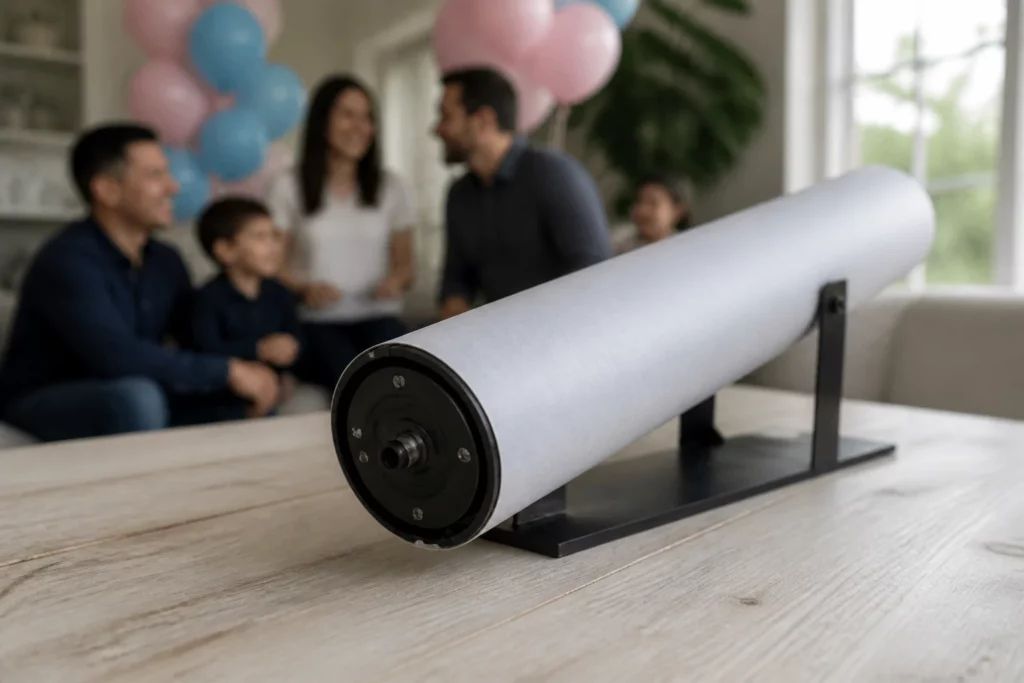
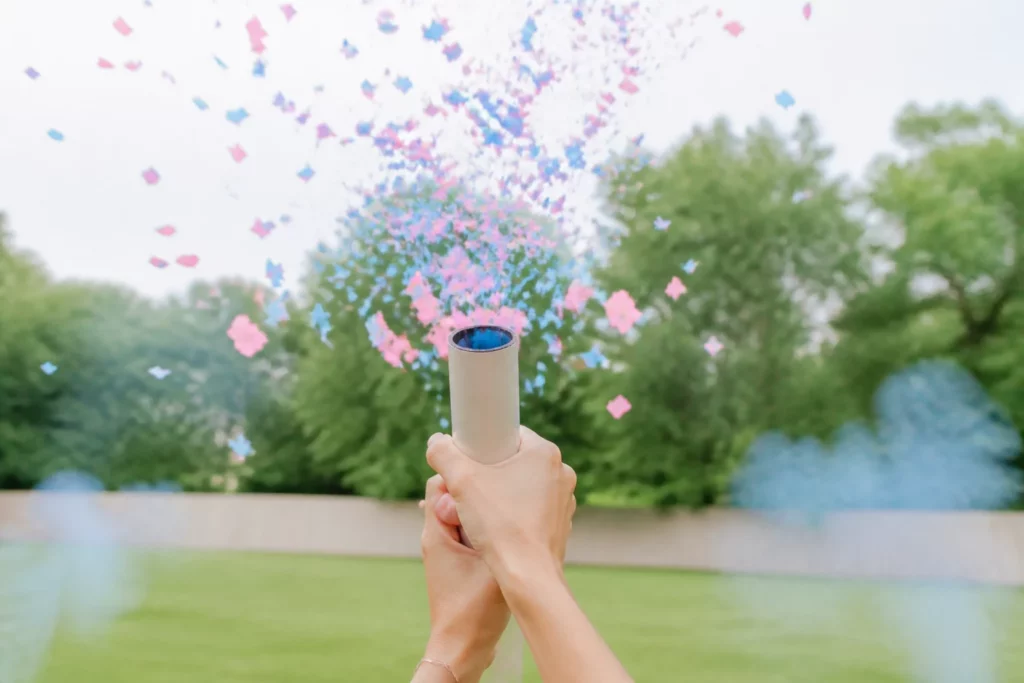
Even when using biodegradable party confetti, it’s essential to consider the quantity and dispersal method. Overusing confetti, even if it’s eco-friendly, can still create a mess and pose cleanup challenges for the venue. Instead of scattering large amounts of confetti indiscriminately, consider using it sparingly in designated areas or incorporating it into specific moments of the event, such as a grand entrance or a celebratory toast. Confetti cannons or handheld poppers can provide a controlled and visually impactful way to release confetti without creating excessive waste. Furthermore, consider the wind conditions, especially for outdoor events. Strong winds can carry confetti far beyond the intended area, potentially littering neighboring properties or sensitive environments. In such cases, it may be best to opt for alternative decorations or to use confetti only in sheltered areas. A wedding planner in Asheville, North Carolina, learned this lesson the hard way when a gust of wind blew a large amount of biodegradable confetti into a nearby forest during an outdoor ceremony. Despite their best efforts, they were unable to retrieve all the confetti, and the venue subsequently implemented stricter regulations regarding outdoor confetti use.
Communicating with the venue about your party confetti plans is crucial for ensuring a smooth and compliant event. Before making any decisions about confetti type or quantity, reach out to the venue manager and discuss their specific policies and preferences. Ask for clarification on any ambiguous clauses in the contract and inquire about approved confetti options. Some venues may have preferred vendors or specific brands of biodegradable confetti that they recommend. It’s also a good idea to provide the venue with a sample of the confetti you plan to use so they can assess its suitability and provide feedback. By proactively communicating with the venue, you can avoid misunderstandings, ensure compliance with regulations, and demonstrate your commitment to responsible event planning. A corporate event planner in Seattle, Washington, successfully negotiated with a venue to allow the use of biodegradable confetti made from recycled paper, even though the venue initially had a “no confetti” policy. By providing detailed information about the confetti’s composition and decomposition process, and by offering to handle the cleanup themselves, the planner was able to convince the venue that the confetti would not pose a significant environmental or logistical challenge.
Case Study: The Eco-Conscious Wedding
A couple planning their wedding in Portland, Oregon, wanted to incorporate confetti into their celebration but were committed to minimizing their environmental impact. They chose biodegradable confetti made from dried flower petals and leaves, sourced from a local organic farm. They also worked closely with the venue to develop a cleanup plan, which involved using leaf blowers to gather the confetti into designated composting bins. The wedding was a beautiful and memorable event, and the couple received positive feedback from guests and the venue for their eco-conscious approach.
| Confetti Type |
Biodegradable? |
Environmental Impact |
Venue Acceptance |
| Plastic Confetti |
No |
High (contributes to plastic pollution) |
Generally prohibited |
| Paper Confetti (non-recycled) |
No |
Moderate (requires tree harvesting) |
Often restricted |
| Metallic Confetti |
No |
High (can be a fire hazard and pollute waterways) |
Generally prohibited |
| Rice Paper Confetti |
Yes |
Low (biodegrades quickly) |
Often accepted |
| Dried Flower Petals |
Yes |
Very Low (natural and compostable) |
Generally accepted |
| Leaf Confetti |
Yes |
Very Low (natural and compostable) |
Often accepted |
Frequently Asked Questions About Confetti Policies
Q: What is biodegradable confetti made of?
Biodegradable party confetti is typically made from natural materials that decompose relatively quickly in the environment. Common materials include rice paper, dried flower petals, leaves, and seed paper. Rice paper confetti is made from thin sheets of rice starch and is often dyed with natural, plant-based pigments. Dried flower petals and leaves are a natural and visually appealing option, especially for outdoor events. Seed paper confetti contains embedded seeds that can sprout and grow when planted, providing a sustainable and eco-friendly alternative to traditional confetti. However, it’s important to note that not all products marketed as “biodegradable” are created equal. Some may contain synthetic additives or require specific composting conditions to break down properly. Always check the product label for detailed information about the confetti’s composition and decomposition process before making a purchase. For example, some “biodegradable” glitter confetti may contain microplastics, which can persist in the environment for a long time and harm wildlife.
Q: Can I bring my own confetti to a venue?
Whether you can bring your own party confetti to a venue depends entirely on the venue’s specific policies. Some venues have strict “no confetti” policies, while others may allow certain types of confetti, such as biodegradable options, under specific conditions. It’s crucial to check the venue contract and communicate with the venue manager before making any decisions about confetti. Even if the venue allows confetti, they may have restrictions on the type, quantity, or dispersal method. Some venues may require you to use confetti from a preferred vendor or to obtain prior approval for any confetti you plan to bring. They may also require you to provide a certificate of biodegradability or to sign a waiver accepting responsibility for any cleanup costs. Always err on the side of caution and obtain written confirmation from the venue before bringing your own confetti. A wedding planner in Charleston, South Carolina, learned this lesson the hard way when they brought a large quantity of rice paper confetti to a venue without prior authorization. The venue manager refused to allow the confetti to be used, and the planner had to scramble to find an alternative decoration at the last minute.
Q: What happens if I violate a venue’s confetti policy?
Violating a venue’s party confetti policy can result in a range of consequences, from fines and deductions from your security deposit to the premature end of your event. The specific penalties will vary depending on the venue’s policies and the severity of the violation. In some cases, the venue may simply issue a warning and require you to clean up the confetti immediately. However, if the violation is more serious or if you fail to comply with the venue’s requests, they may impose fines or deduct the cost of cleanup from your security deposit. Some venues may even reserve the right to terminate your event prematurely if you violate their confetti policy. It’s also important to be aware of local ordinances regarding littering, which may apply to confetti use in public spaces. Violating these ordinances can result in additional fines or legal penalties. To avoid any unpleasant surprises, always familiarize yourself with the venue’s confetti policy before your event and ensure that you and your guests comply with all regulations. A corporate event organizer in Chicago, Illinois, faced a hefty fine after their guests used non-biodegradable confetti at an outdoor event, violating both the venue’s policy and a local anti-littering ordinance.
Confetti Alternatives: Thinking Outside the Box
If your venue has a strict “no confetti” policy or if you’re simply looking for more creative and sustainable ways to add flair to your event, there are plenty of exciting alternatives to consider. These options can provide the same visual impact as confetti without the mess or environmental concerns.
Bubbles are a classic and universally appealing alternative to confetti, especially for outdoor events. They create a whimsical and celebratory atmosphere, and they’re completely harmless to the environment. You can use bubble machines to generate a continuous stream of bubbles or provide guests with individual bubble wands for a more interactive experience. Consider using eco-friendly bubble solutions made from plant-based ingredients to further minimize your environmental impact. For a nighttime event, illuminated bubbles can add a magical touch.
Ribbon wands are another popular alternative, particularly for weddings and children’s parties. These wands consist of colorful ribbons attached to a small stick or ring, which guests can wave and twirl to create a festive visual display. Ribbon wands are reusable and can be customized to match your event’s color scheme. They’re also a safe and quiet alternative to confetti, making them ideal for venues with noise restrictions.
Laser lights can create a stunning visual effect, especially for indoor events. Laser projectors can display a variety of patterns and colors, transforming any space into a vibrant and dynamic environment. Laser lights are a safe and mess-free alternative to confetti, and they can be customized to match your event’s theme. However, it’s important to use laser lights responsibly and to follow all safety guidelines to avoid eye injuries.
Glow sticks and LED foam sticks are a fun and energetic alternative to confetti, especially for nighttime events. These light-up accessories can be distributed to guests, who can wave them and dance with them to create a lively and interactive atmosphere. Glow sticks and LED foam sticks are reusable and can be customized with your event’s logo or colors. However, it’s important to dispose of them properly after the event to avoid littering.
“We had a ‘no confetti’ rule at our venue, but we still wanted a celebratory moment for our wedding exit. We opted for bubbles, and it was absolutely magical! The photos turned out beautifully, and there was no mess to clean up afterwards.” – A recent bride in Vermont.
DIY Confetti: Creating Your Own Eco-Friendly Options
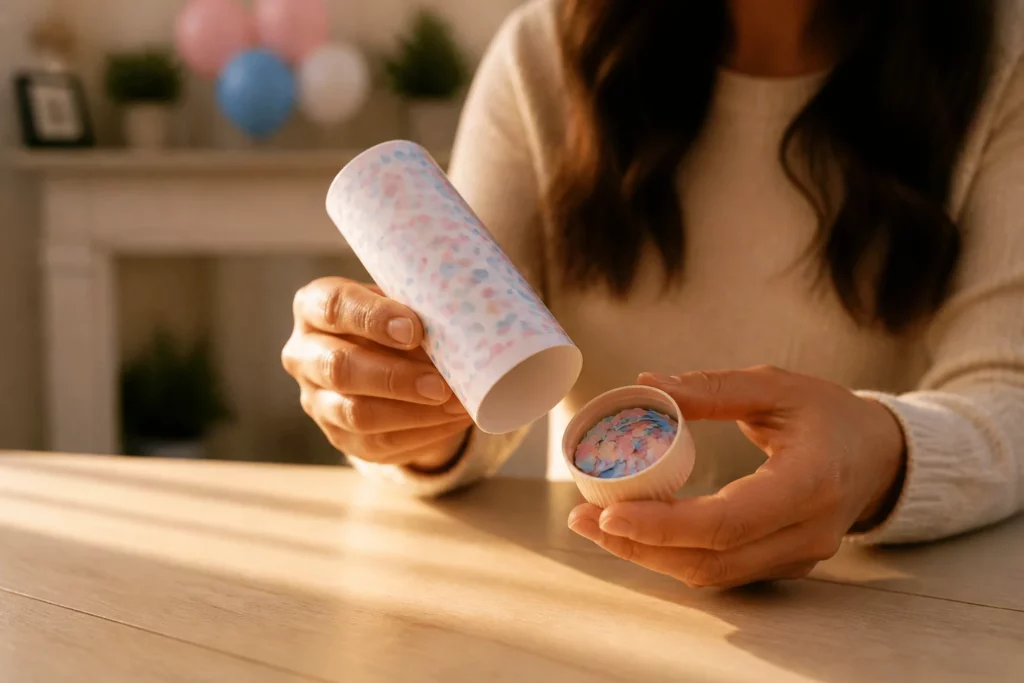
Making your own party confetti is a great way to control the materials used and ensure that your confetti is truly biodegradable and environmentally friendly. It also allows you to customize the confetti to match your event’s theme and color scheme. Here are a few ideas for DIY confetti:
1. **Dried Flower Petals:** Collect flower petals from your garden or purchase them from a local florist. Spread the petals out on a baking sheet and dry them in a low oven or dehydrator until they are crisp. Store the dried petals in an airtight container until you’re ready to use them.
2. **Leaf Confetti:** Gather fallen leaves from your yard or a nearby park. Use a hole punch or scissors to create small confetti shapes from the leaves. You can also use leaf-shaped cookie cutters to create more elaborate designs.
3. **Seed Paper Confetti:** Purchase seed paper from a craft store or online retailer. Use a hole punch or scissors to create small confetti shapes from the seed paper. When the confetti is scattered, the seeds will sprout and grow, providing a sustainable and eco-friendly alternative to traditional confetti.
4. **Rice Paper Confetti:** Purchase rice paper from an Asian grocery store or online retailer. Use a hole punch or scissors to create small confetti shapes from the rice paper. You can also dye the rice paper with natural food coloring to create colorful confetti.
When making your own party confetti, be sure to use natural and biodegradable materials. Avoid using glitter, metallic foils, or other non-biodegradable materials. Also, be mindful of the dyes and pigments you use. Opt for natural food coloring or plant-based dyes to minimize your environmental impact.
Navigating Venue Contracts and Confetti Clauses
Understanding the fine print of your venue contract is essential for avoiding any surprises or misunderstandings regarding party confetti policies. Pay close attention to any clauses that mention confetti, decorations, or cleanup fees. If the contract is unclear or ambiguous, don’t hesitate to ask the venue manager for clarification.
Here are some key things to look for in your venue contract:
* **Confetti Restrictions:** Does the contract explicitly prohibit the use of confetti? If so, are there any exceptions for biodegradable options?
* **Decoration Policies:** Does the contract outline any restrictions on decorations, including confetti? Are there any specific types of decorations that are prohibited?
* **Cleanup Fees:** Does the contract mention any fees for cleanup services? If so, how are these fees calculated? Are you responsible for cleaning up any confetti used during your event?
* **Indemnification Clauses:** Does the contract include an indemnification clause that holds you responsible for any damages or injuries caused by your event? This could potentially include damages caused by confetti.
If you’re unsure about any of the clauses in your venue contract, consult with an attorney or event planner. They can help you understand your rights and obligations and negotiate with the venue to ensure that your event is compliant with all regulations.
Mini Case Study: A wedding venue in Asheville, North Carolina, added a clause to their contract stating that any confetti used must be pre-approved by the venue and must be cleaned up by the event organizer immediately following the event. The clause also stipulated a $500 fine for any violations.
Confetti Cleanup Strategies: Leaving No Trace
Even when using biodegradable party confetti, it’s important to have a plan for cleaning up after your event. This will help you avoid any cleanup fees and ensure that you leave the venue in good condition.
Here are some tips for confetti cleanup:
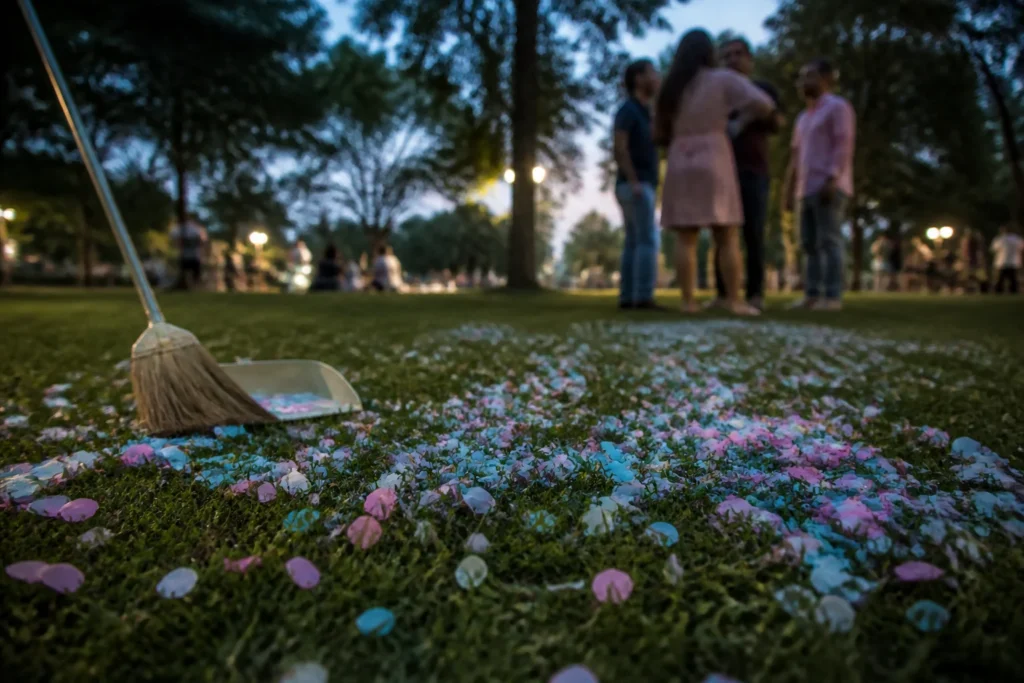
* **Designate a Cleanup Crew:** Assign a group of volunteers to be responsible for cleaning up the confetti after the event. Provide them with the necessary supplies, such as brooms, dustpans, and trash bags.
* **Use Leaf Blowers:** For outdoor events, leaf blowers can be an effective way to gather confetti into piles for easy disposal.
* **Vacuum Cleaners:** For indoor events, vacuum cleaners can be used to remove confetti from carpets and upholstery.
* **Composting:** If you’re using biodegradable confetti, consider composting it after the event. Contact your local composting facility to see if they accept confetti.
* **Communicate with the Venue:** Work with the venue staff to develop a cleanup plan that meets their requirements. Be sure to ask about any specific disposal procedures or restrictions.
By taking proactive steps to clean up after your event, you can demonstrate your commitment to responsible event planning and avoid any potential conflicts with the venue.
Confetti Policy Comparison Table
Feature
Strict “No Confetti” Policy
Permissive Biodegradable Only Policy
Confetti Allowed?
No
Yes, but only biodegradable
Cleanup Responsibility
Venue’s responsibility (since no confetti is allowed)
Event organizer’s responsibility
Potential Penalties for Violation
Fines, security deposit deductions, event termination
Fines, security deposit deductions, requirement to switch to approved confetti
Environmental Impact
Lowest (no confetti used)
Low (biodegradable confetti decomposes naturally)
Flexibility for Event Design
Limited (no confetti effects)
Moderate (allows for confetti effects with restrictions)